Greenwood, King County
Creosote removal in Greenwood is billed from $245. Anything above that is a matter of which stage the buildup is at. Thick, flaky buildup comes away with powered brushes in one visit. A tarry layer takes more passes. Glaze, which looks like black glass poured down the flue, needs a chemical treatment that works over time, followed by a second trip on which the softened layer comes out. We show you the camera image and name the stage before quoting.
Typical investment
From $245
Book an inspection
Book your $99 inspection
$99 plus tax, deducted when you approve the repair
Not sure where to start
Pick what you're seeing at your Greenwood home — we'll point you to the right fix.
What we do
The same crew, the same written quote — for Greenwood homes.
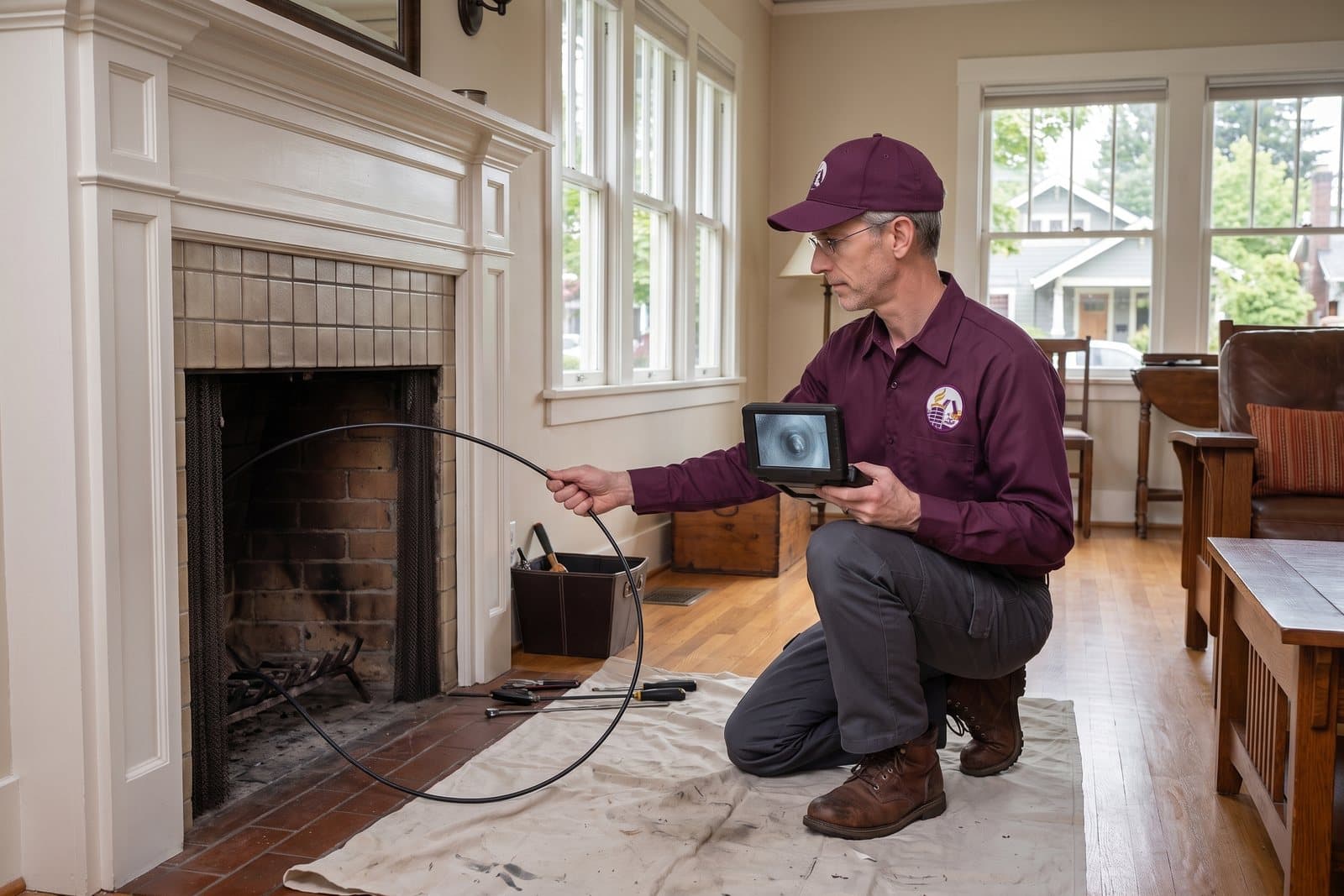
A Level 1 review of everything reachable, raised to a Level 2 camera scan when a question stays open
Learn more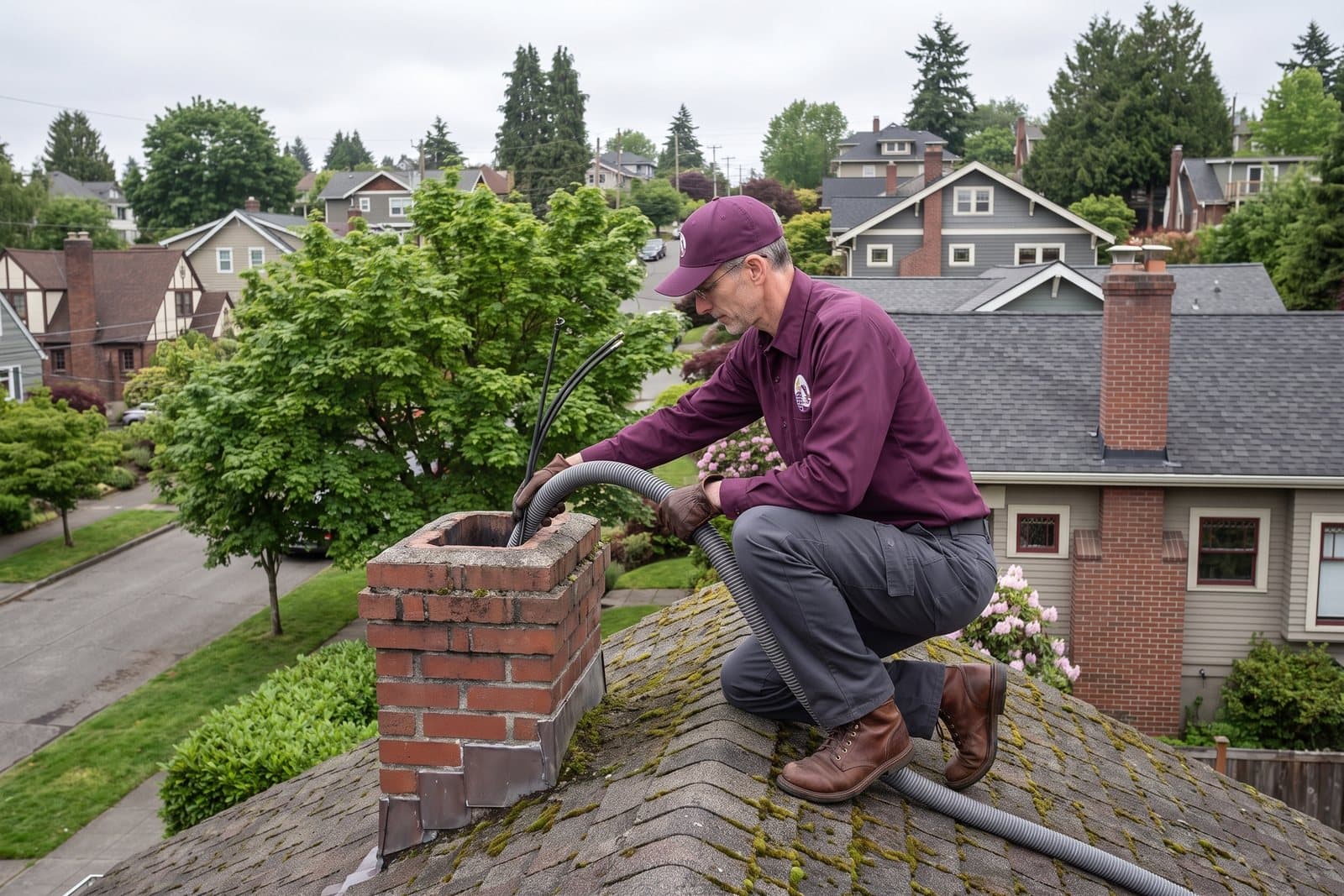
The whole flue brushed, using heads picked for the liner's size and shape
Learn more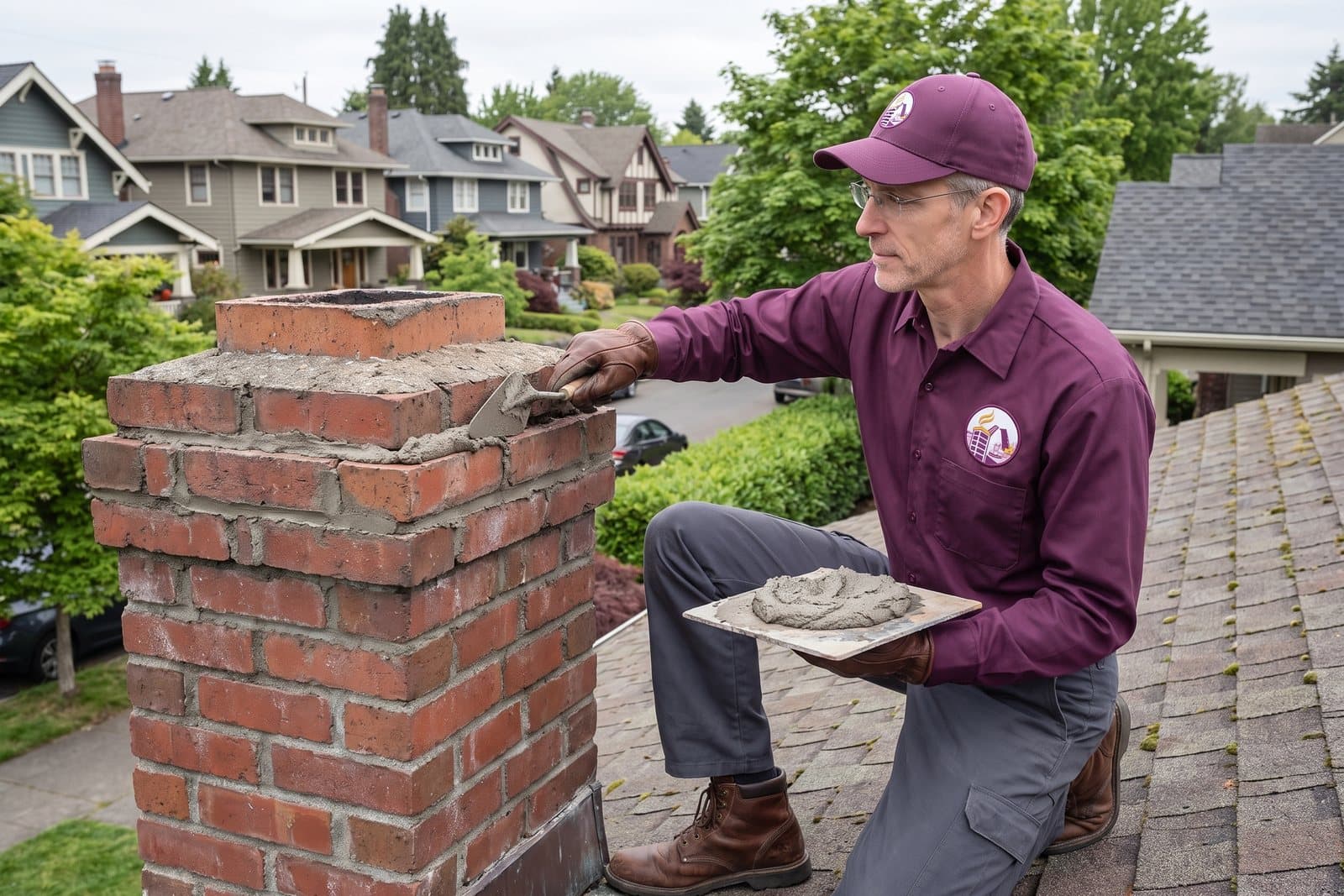
A photo assessment that distinguishes surface wear from structural damage
Learn more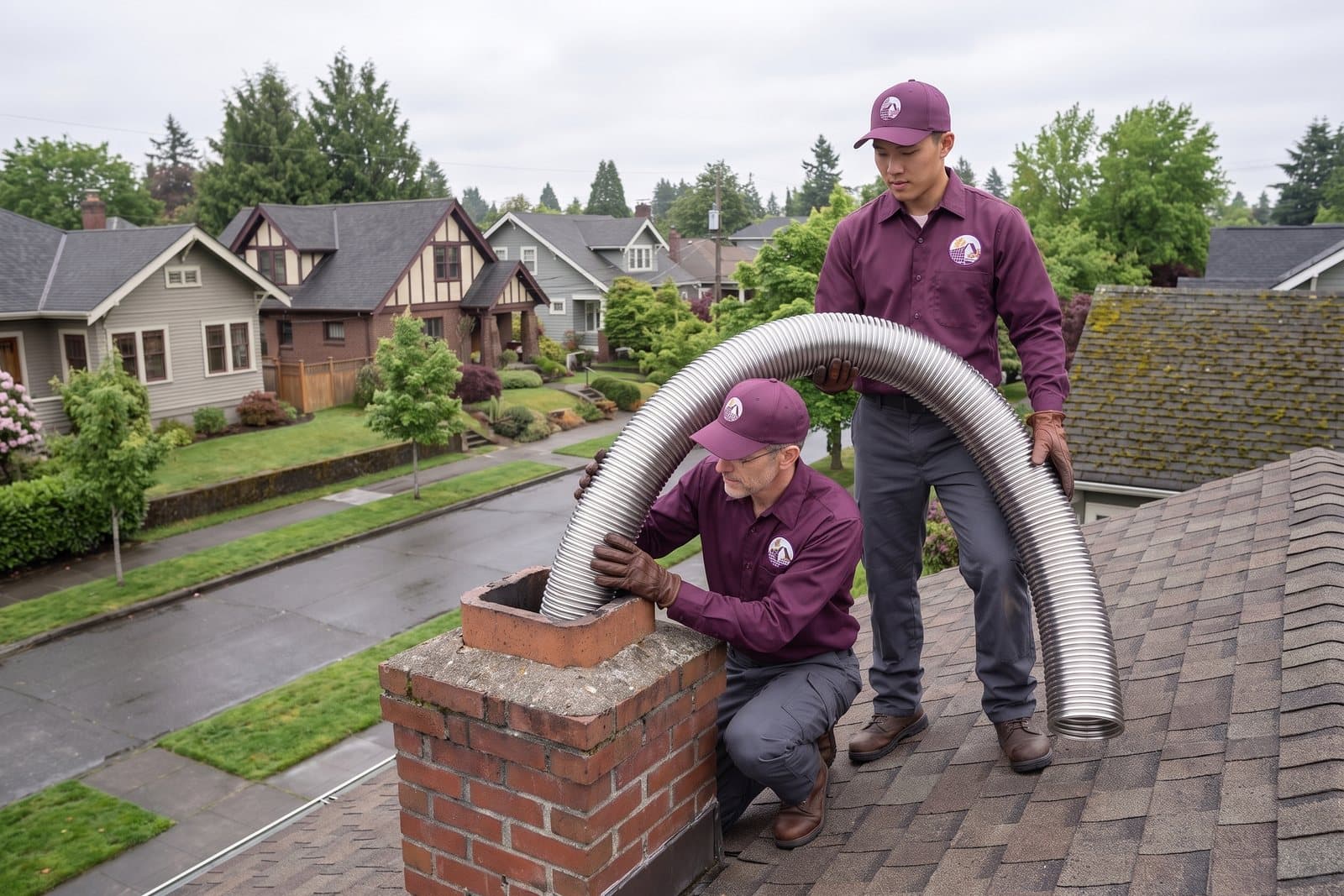
Camera survey and measurements taken before any liner is chosen
Learn more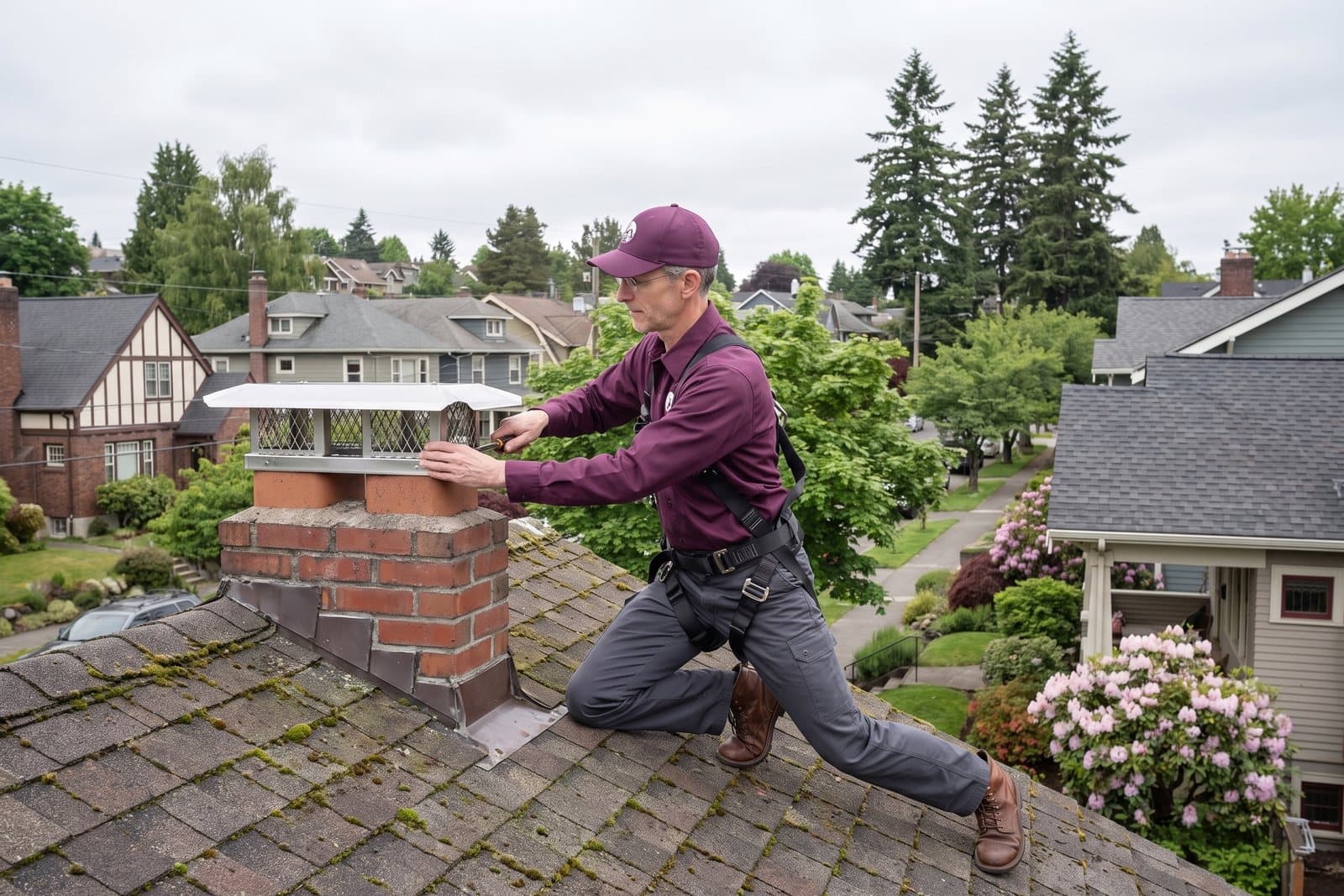
Measurement of each flue, or of the crown when a single cap will span several
Learn more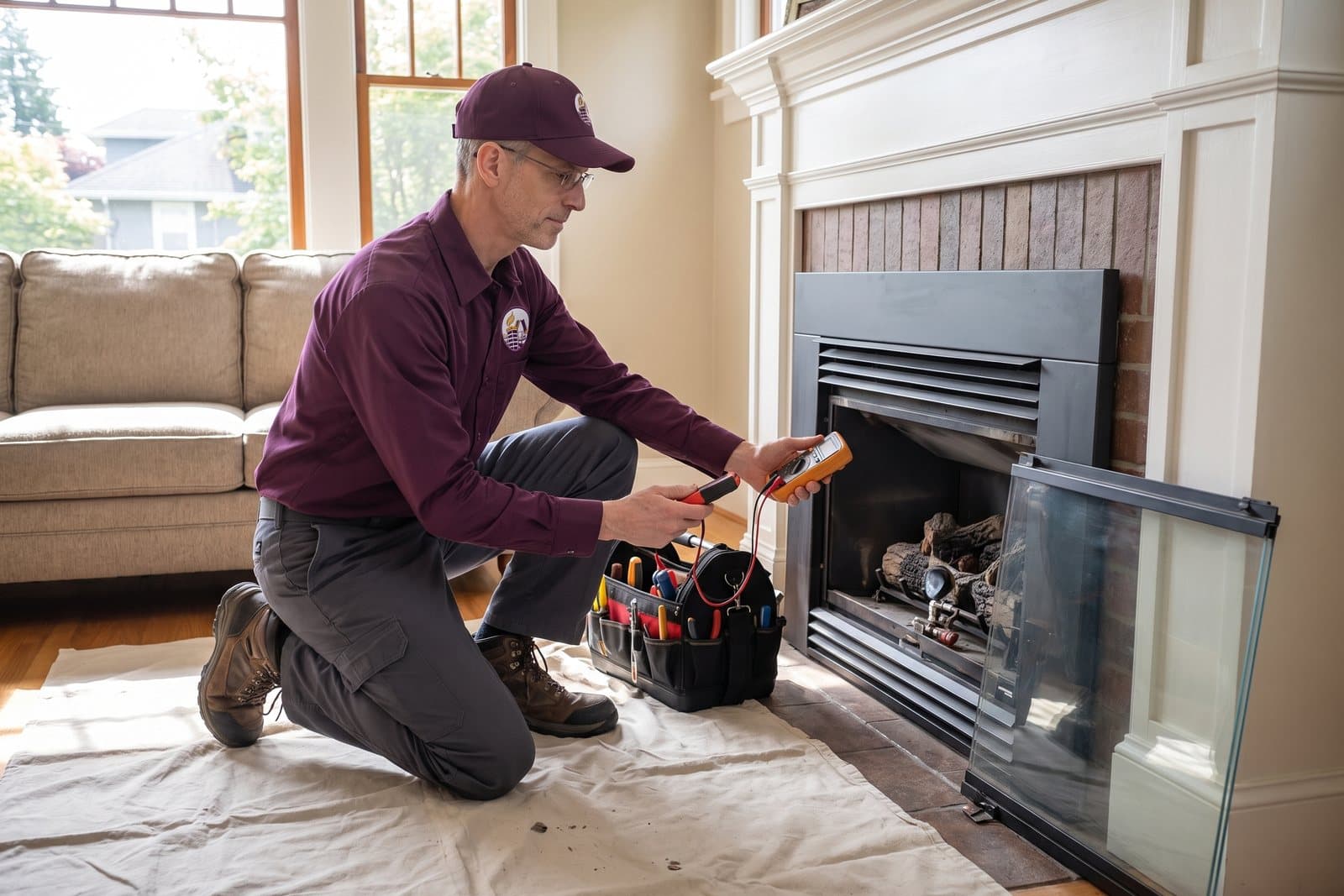
Glass removed, cleaned and checked for a sound gasket
Learn moreRanges shown for orientation — the exact figure is written up on-site, after the inspection.
Stoves and inserts tend to carry the heaviest deposits, and the rules about them are worth knowing in Greenwood as anywhere in Seattle. How do you tell a certified stove from an uncertified one? The regional Clean Air Agency suggests counting doors. One door, glazed, plus an EPA label: probably certified. A pair of doors, whether glass or solid metal: probably not. Older uncertified stoves burn less completely and send more unburned material up the flue. In winter, around Puget Sound, no source puts more fine particles into the air than home wood heating; the agency's data summary for 2024 says as much.
Every creosote removal we do in Greenwood includes:
Smoke coming back into the room, or a smell that won't go? Book the inspection first.
Book nowHeavy creosote and burn bans are linked by the same habit: the slow, smoldering fire. Once a ban is on, smoke you can see is not permitted from anyone, exempt households and owners of certified stoves included. WAC 173-433-150 gives a deadline: three hours after the declaration, a chimney that still shows smoke is prima facie evidence against its owner. Whoever had a fire going is expected to feed it no further. The agency also treats smoke that bothers neighbors as a nuisance subject to enforcement whether or not a ban is in force. A flue lined with creosote smokes at every startup, so cleaning it is part of burning legally as well as safely.
Wood dries slowly in this part of Seattle. Greenwood's center was a bog before it was a neighborhood, in HistoryLink's telling, and the citywide figures from WeatherSpark put the clear season at only about 3.8 months, ending near October 8. After that, any day through the end of April is more likely than one in three to be wet. No measurement exists for Greenwood alone.
Firewood stacked uncovered in a Greenwood yard therefore spends most of the heating season taking on water instead of losing it. Burned damp, it hisses, smolders and cools the smoke, and cool smoke is what condenses into creosote on the flue wall. Damp fuel is a classic cause of second- and third-stage deposits. Removal clears the flue. Keeping it clear is mostly a matter of wood stored under a roof and off the ground, and fires given enough air to burn bright.
The flue is filmed so the stage and the extent of the creosote are known, not guessed.
Powered tools remove everything that is brittle enough to come away.
Glazed areas receive a modifier, which then sits for as long as its label requires.
What the modifier has altered is taken out, and a second film of the flue settles whether it worked.
What this work is quoted at for Greenwood homes — the exact figure comes from the $99 on-site inspection, credited toward the work.
| Service | Price in Greenwood | What that covers |
|---|---|---|
| Creosote Removal | From $245 | Priced by creosote stage — glazed stage 3 is the heavy end |
| Chimney Sweep | $209–$459 | Full flue swept, Level 1 inspection included |
| Chimney Inspection | $99 plus tax | Level 1 visual; Level 2 adds a full camera scan |
| Chimney Relining | From $1,900 | Full-length stainless liner, sized to the appliance |
| Chimney Repair | From $425 | Masonry repair — brick and mortar, scoped after diagnosis |
Ranges are what these jobs are quoted at in Greenwood. The exact figure is set on site after a $99 inspection (credited toward the job if you go ahead), and you approve it before any work starts.
Greenwood is a neighborhood platted in 1907 on a former cemetery tract, on both sides of N 85th Street, with houses on either side of the old city limit, the blocks north of N 85th Street annexed only in 1954.
GreenwoodKing County, WA · 47.691, -122.355
Before and after
Illustrations of what each repair changes on a typical chimney — not photos of a specific job.
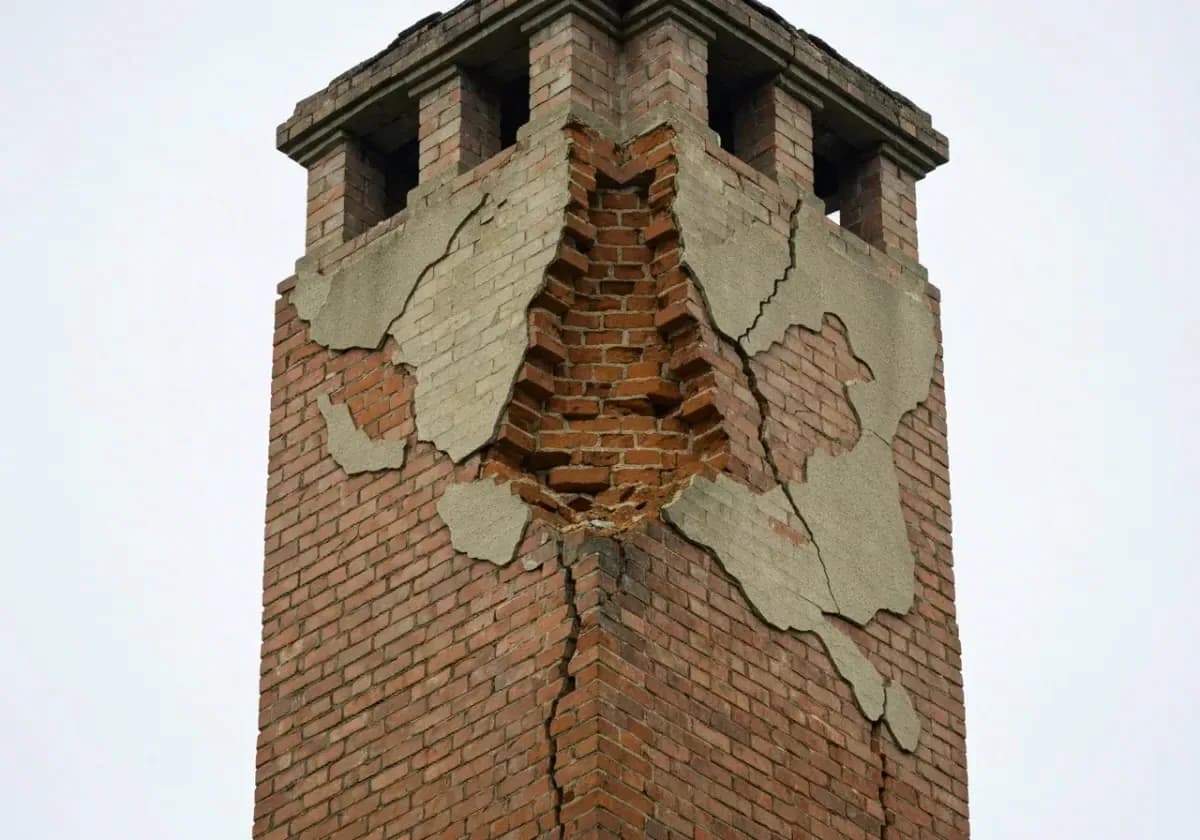 Before
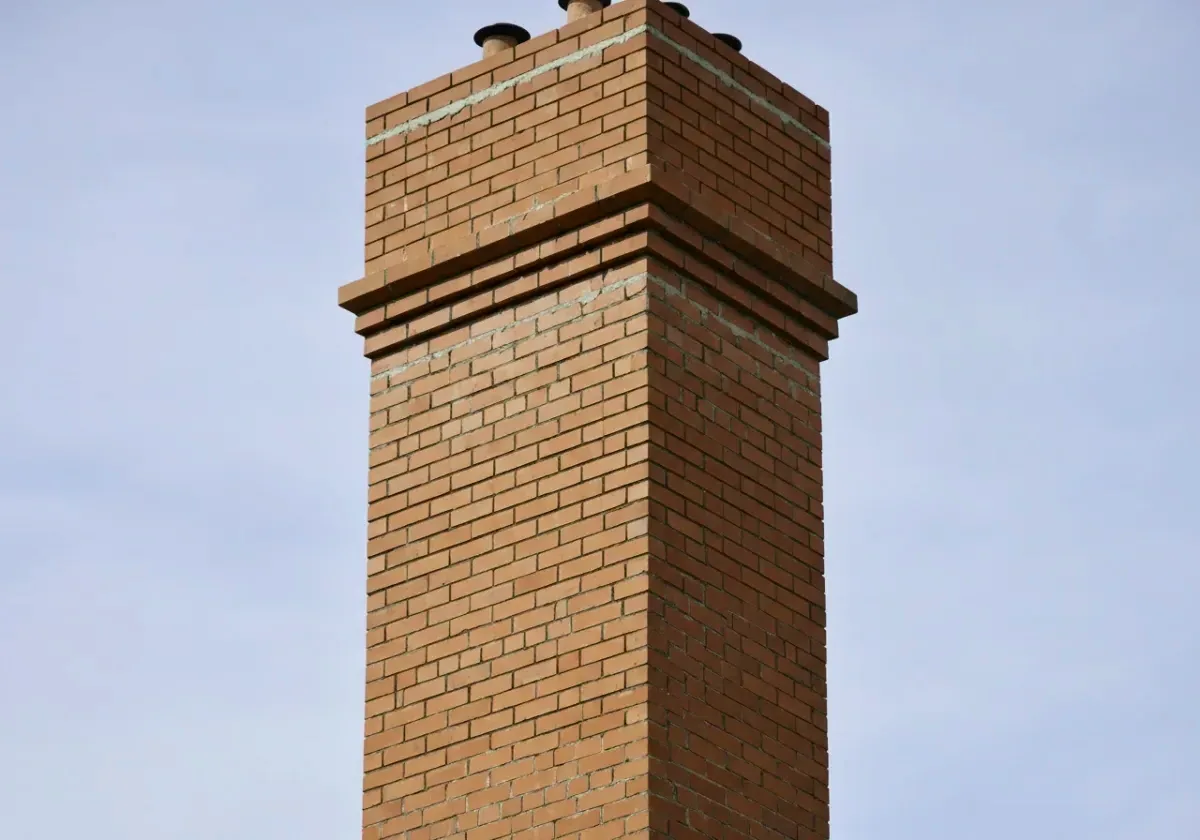 After
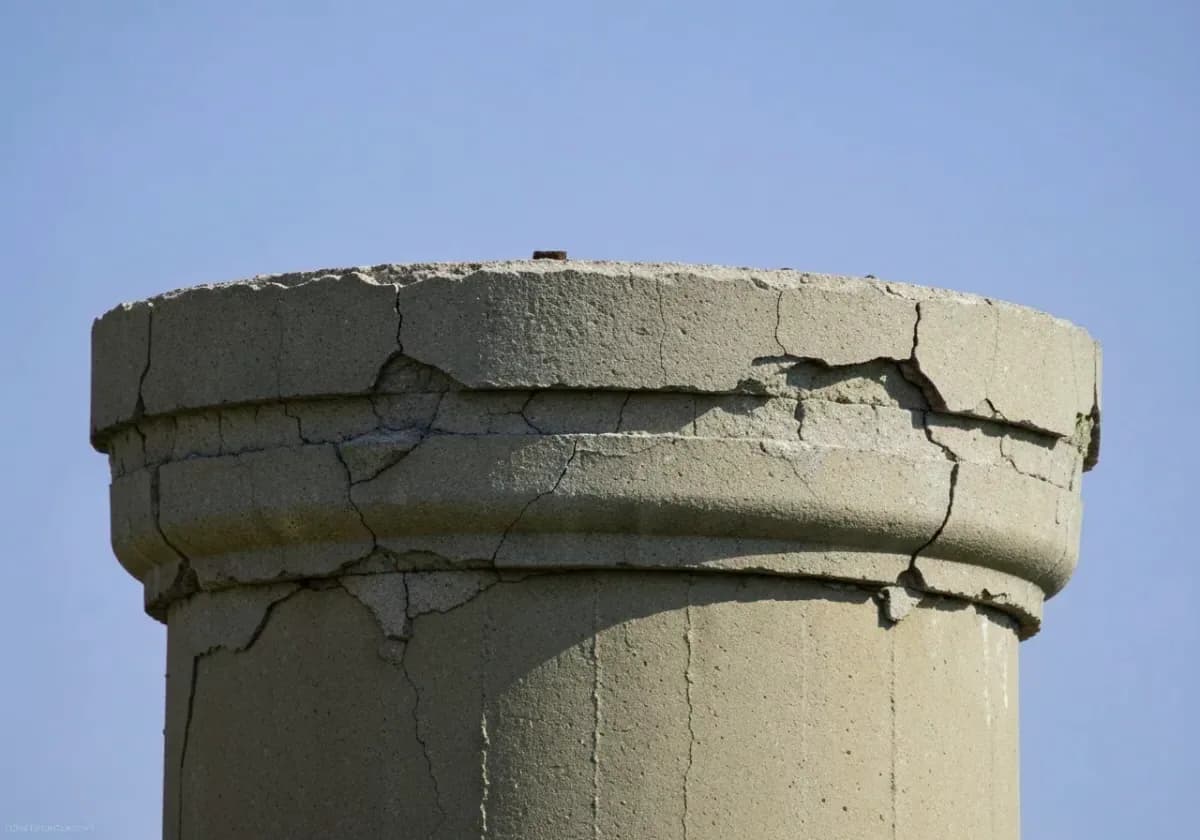 Before
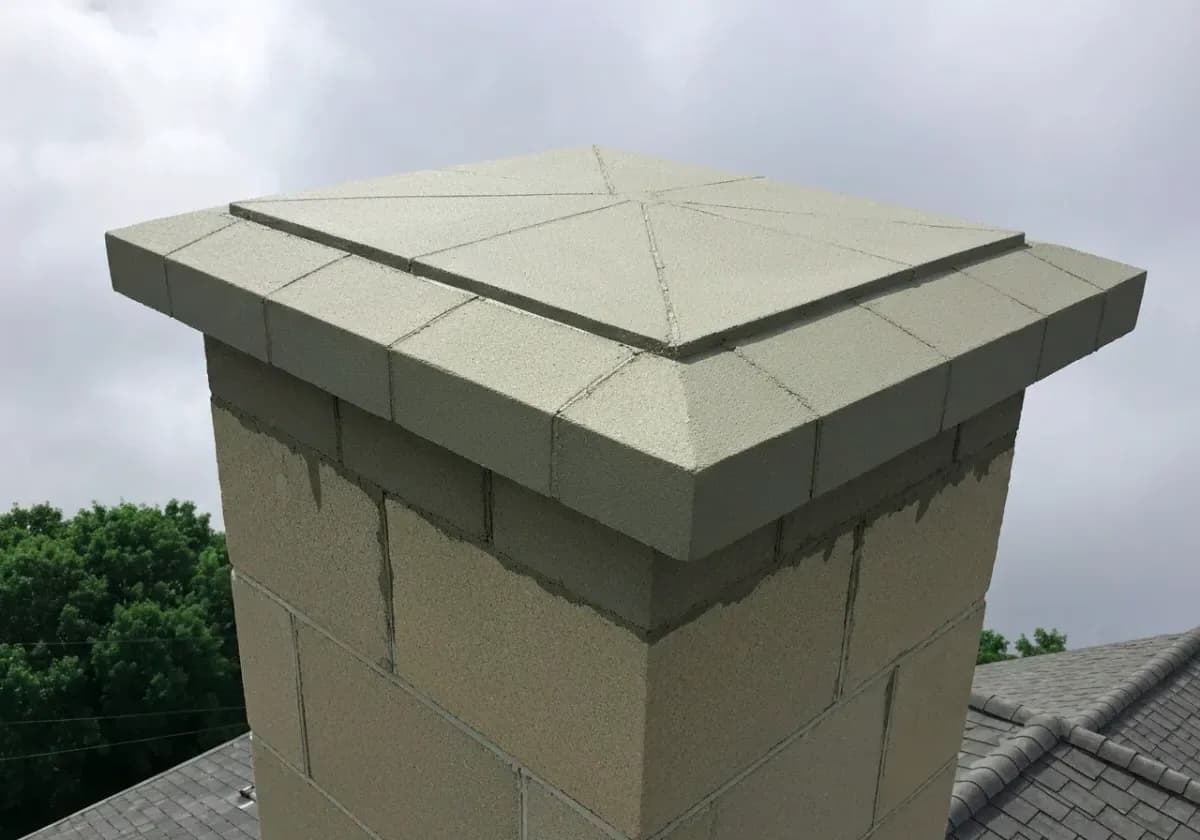 After
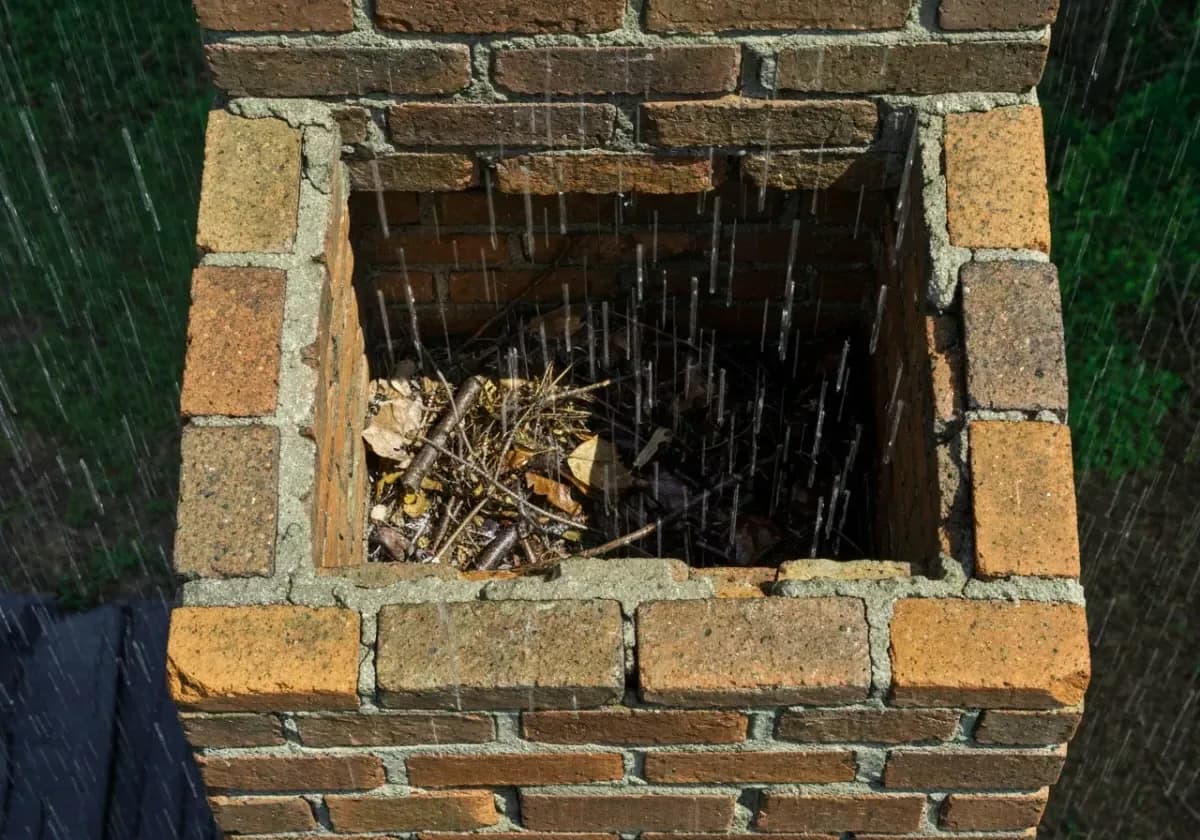 Before
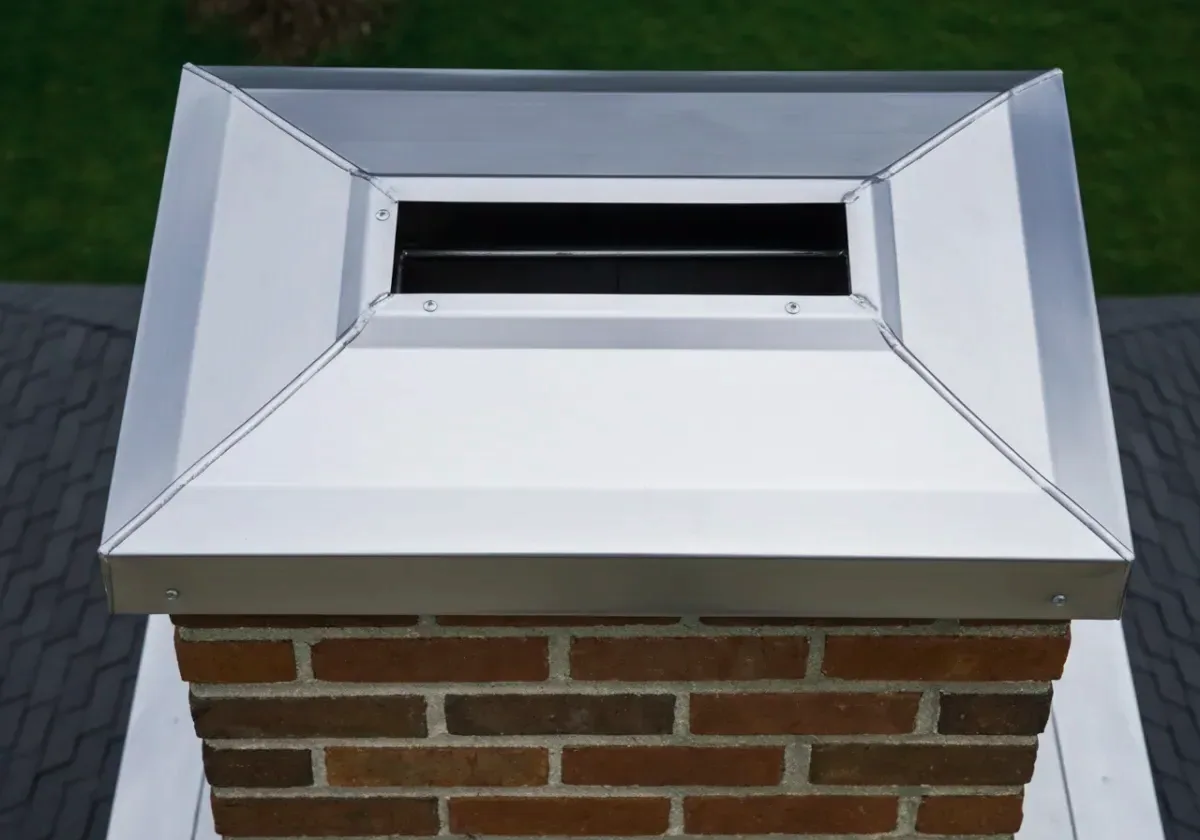 After

Four steps, each one on paper — so you always know what happens next.
Choose a genuine opening on the crew's calendar. Confirmation is immediate.
Liner, crown, cap, flashing and masonry examined in order — each finding photographed.
One document, plain numbers, covering only the work your chimney genuinely needs.
The repair is completed, then handed over with before-and-after photos of every item.
From $245. Flaky deposits are at the base price; tar and glaze need treatment and extra visits, which we price after filming the flue.
Because brushes only work on brittle deposits. CSIA notes that gummy or glazed creosote has to be chemically changed before it can be brushed out.
Seasoned, dry firewood or manufactured logs, which are also the only fuels the Clean Air Agency's rules allow in a Seattle fireplace or stove. Split wood needs months under cover with air moving through the stack before it burns clean.
The second camera run tells us. If it shows damage that the deposit was hiding, an inspection report at $99 plus tax documents it, and that fee counts toward the repair when you give the go-ahead.
A $99 on-site inspection, a written quote before any work, and photos of every item we touch.