Greenwood, King County
Chimney work in Greenwood starts from two facts about the place: the middle of the neighborhood was a bog, and for half a century N 85th Street was the edge of Seattle. Water and age are therefore the first things we look at, and the answers differ from one side of 85th to the other. A visit comes before any price for work. It is charged at $99 plus tax per chimney inspected, and when you approve the quote that follows, the $99 counts toward it.
Book an inspection
Book your $99 inspection
$99 plus tax, deducted when you approve the repair
Not sure where to start
Pick what you're seeing at your Greenwood home — we'll point you to the right fix.
What we do
The same crew, the same written quote — for Greenwood homes.
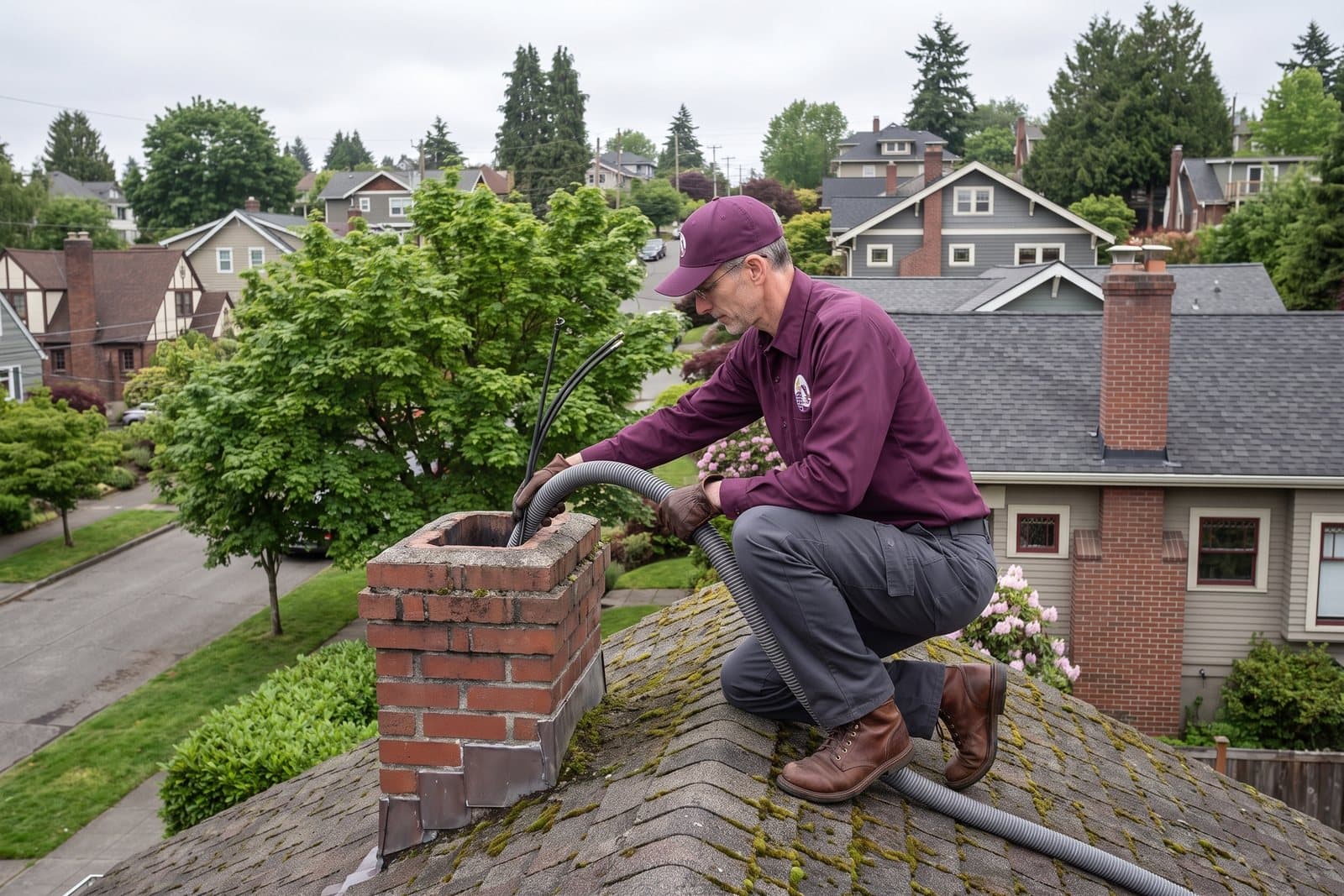
The whole flue brushed, using heads picked for the liner's size and shape
Learn more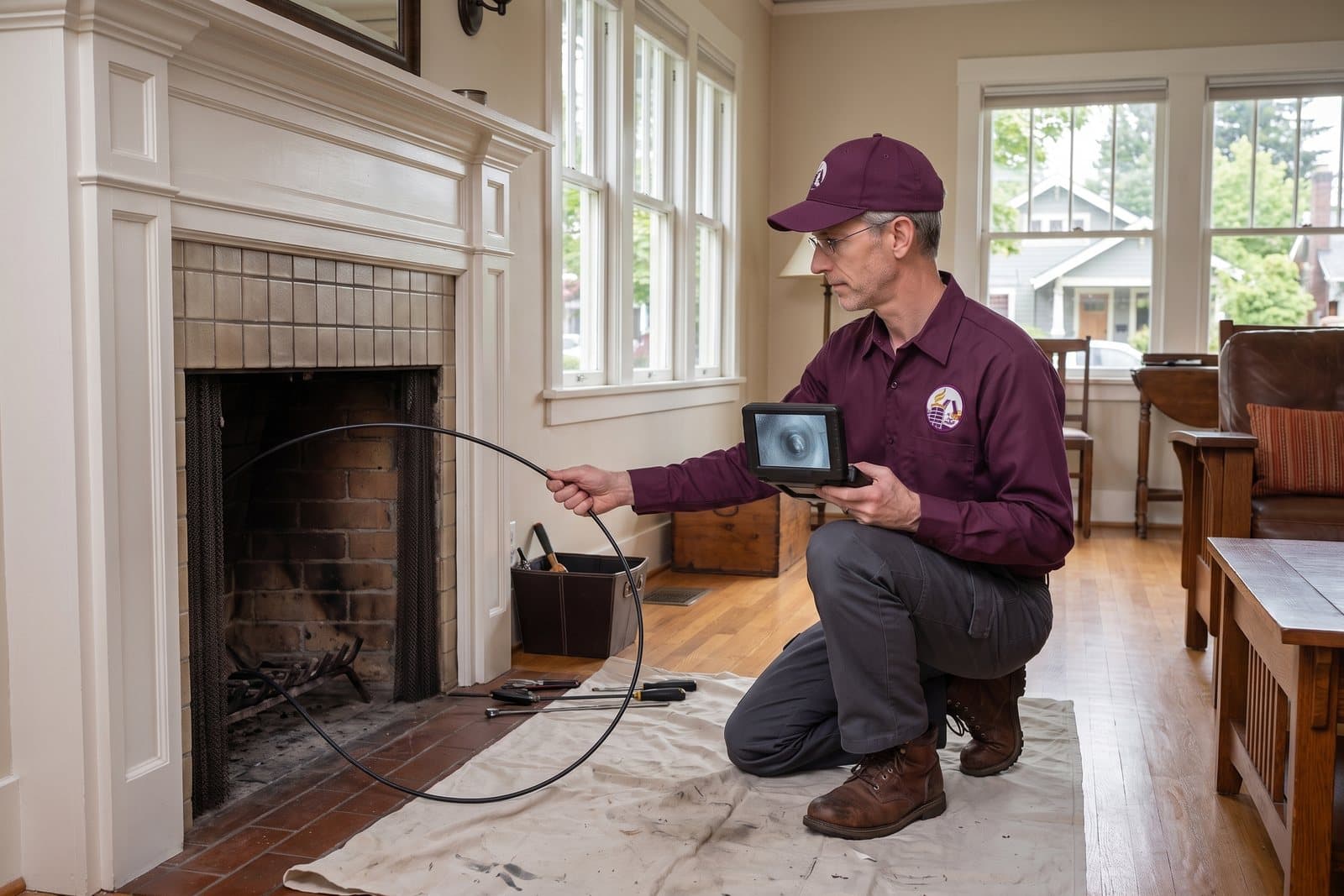
A Level 1 review of everything reachable, raised to a Level 2 camera scan when a question stays open
Learn more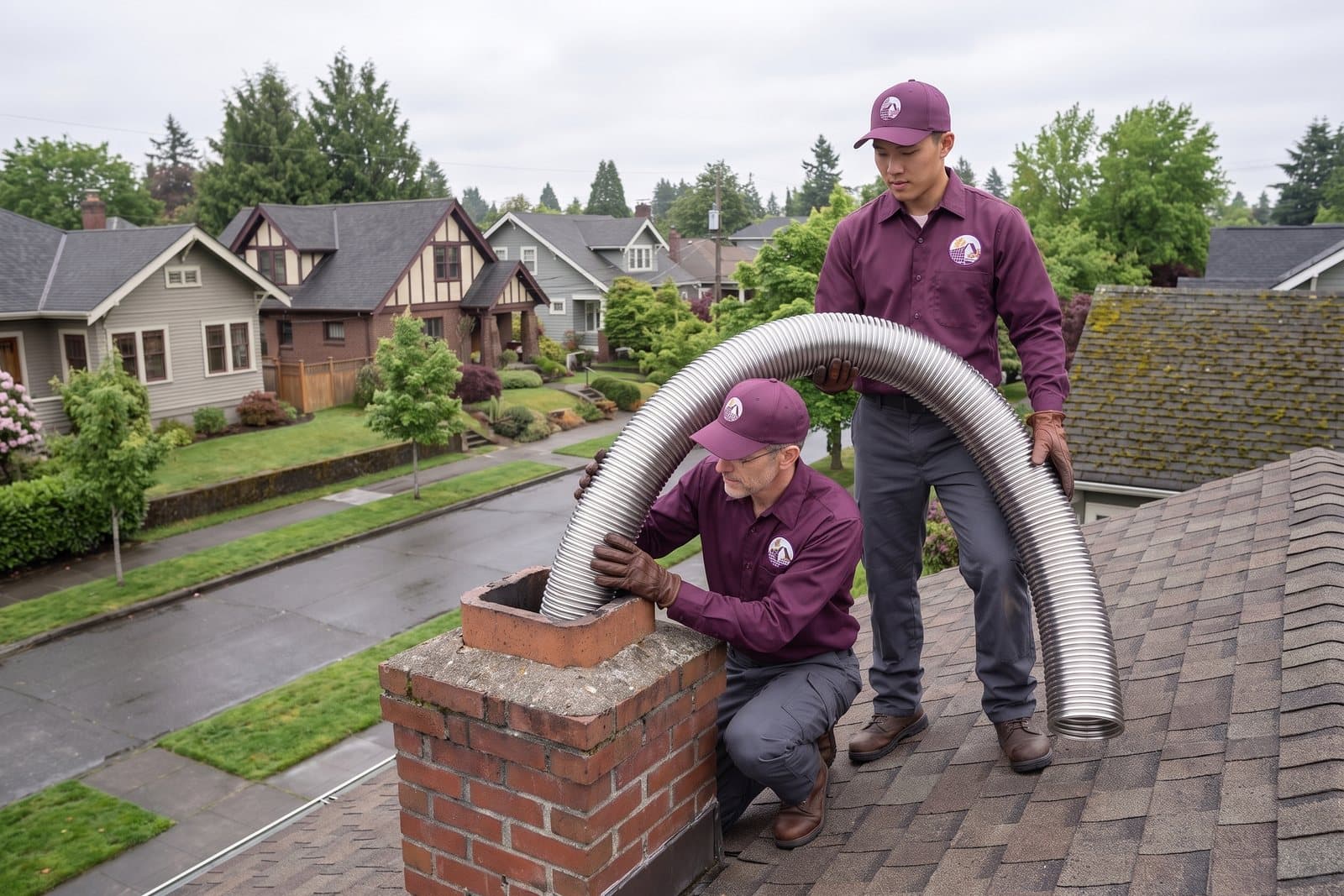
Camera survey and measurements taken before any liner is chosen
Learn more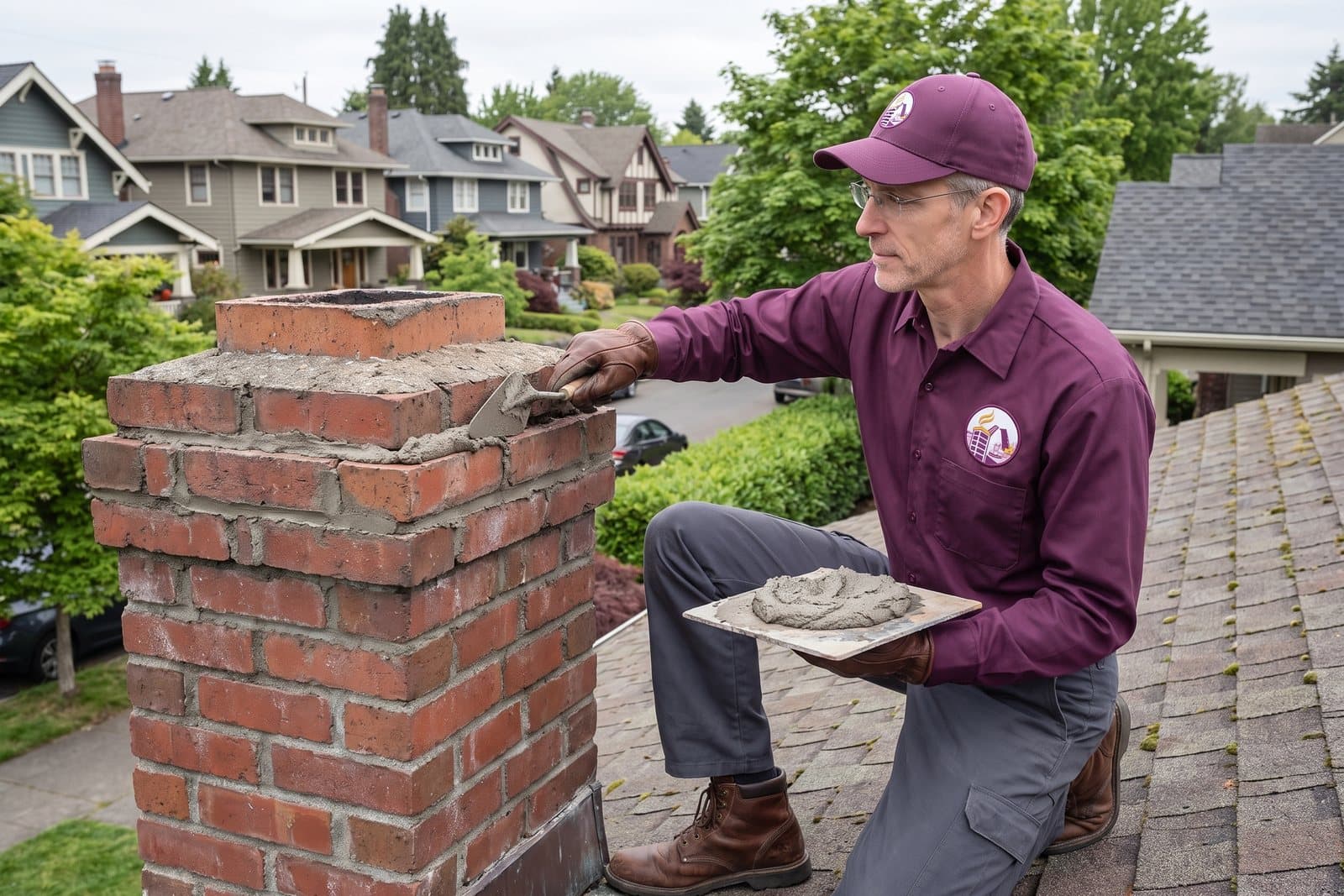
A photo assessment that distinguishes surface wear from structural damage
Learn more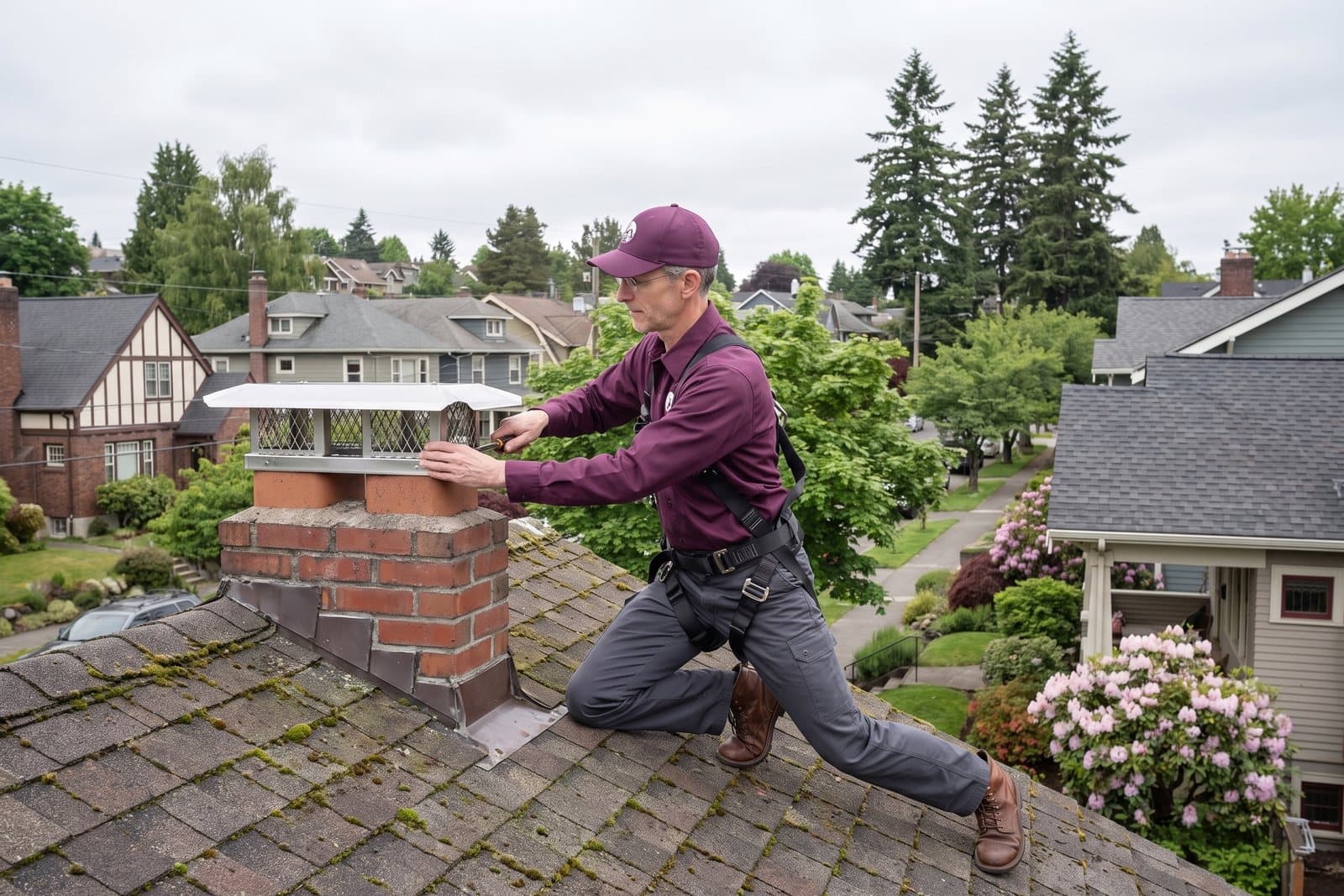
Measurement of each flue, or of the crown when a single cap will span several
Learn more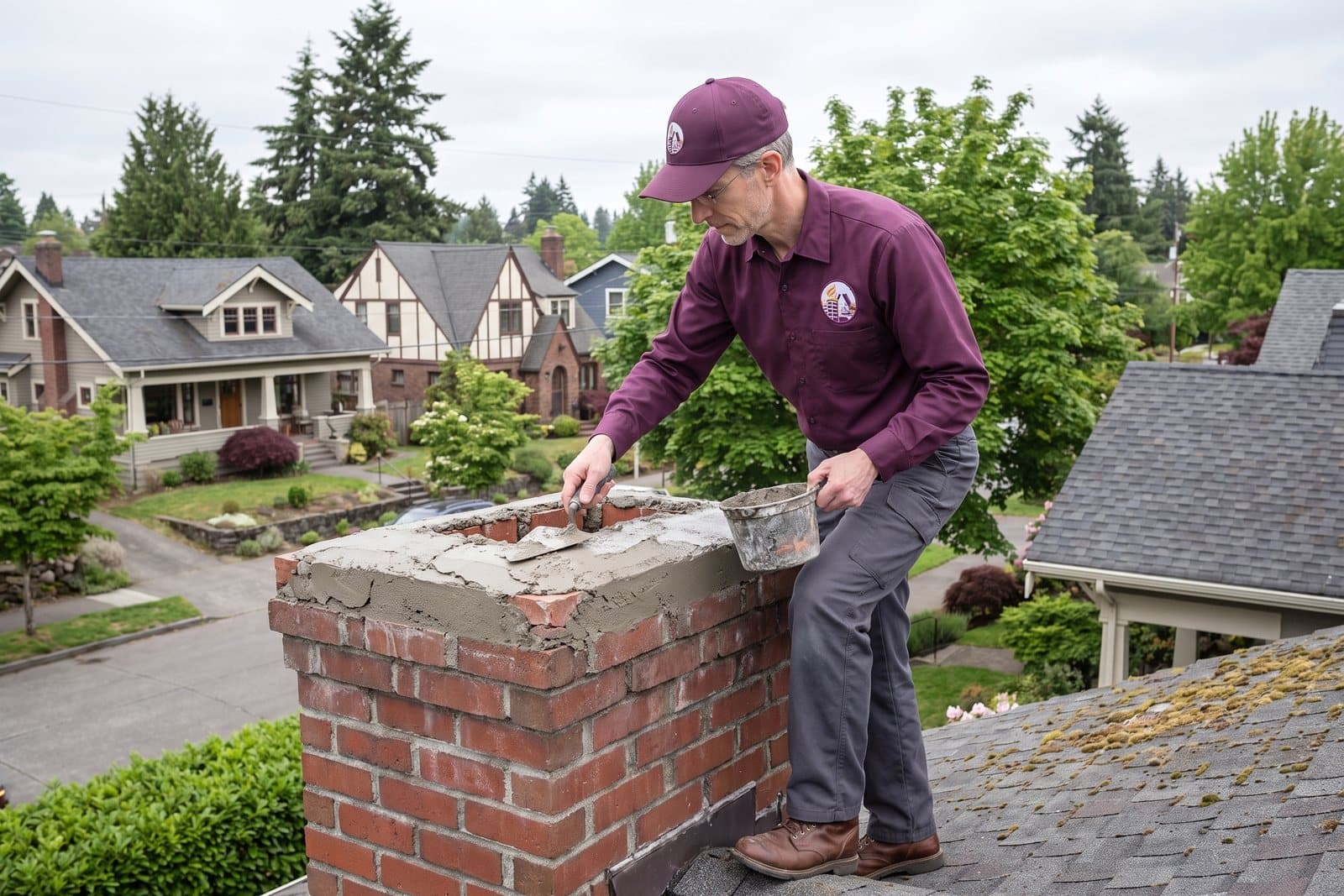
Crown and all four sides photographed before any work
Learn more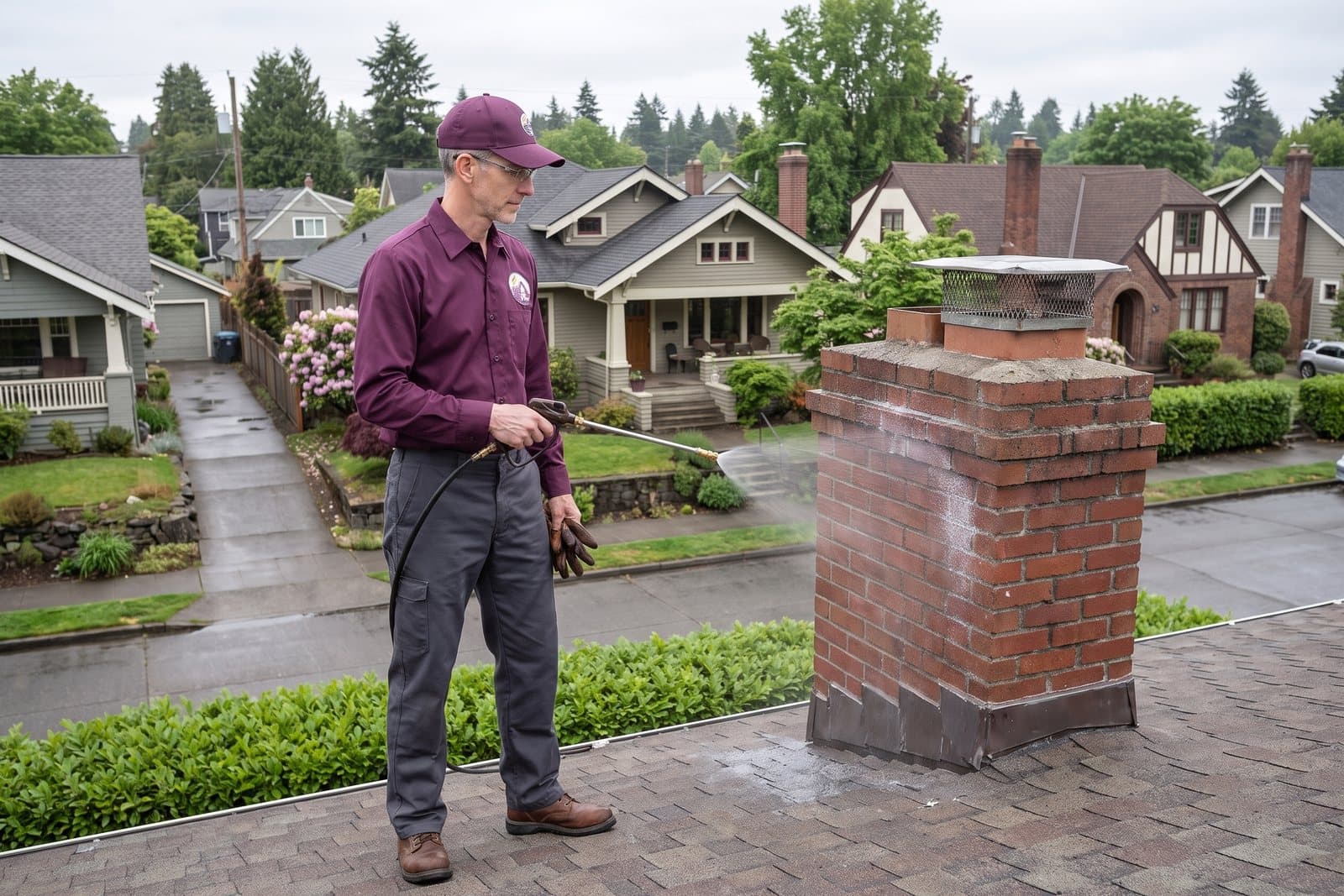
Inspection of crown, joints and flashing before anything is applied
Learn more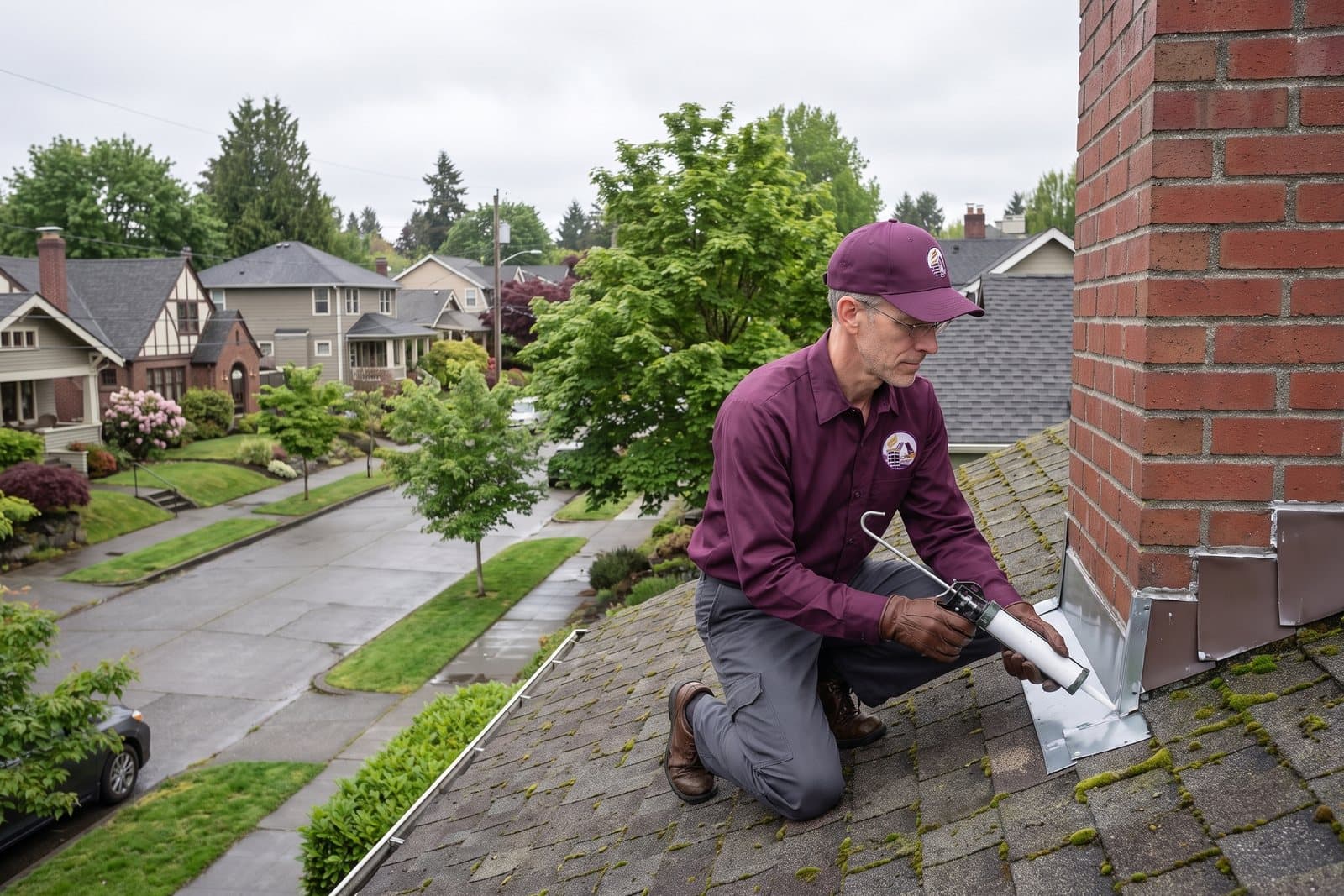
Leak tracing from the stain indoors to the entry point on the roof
Learn more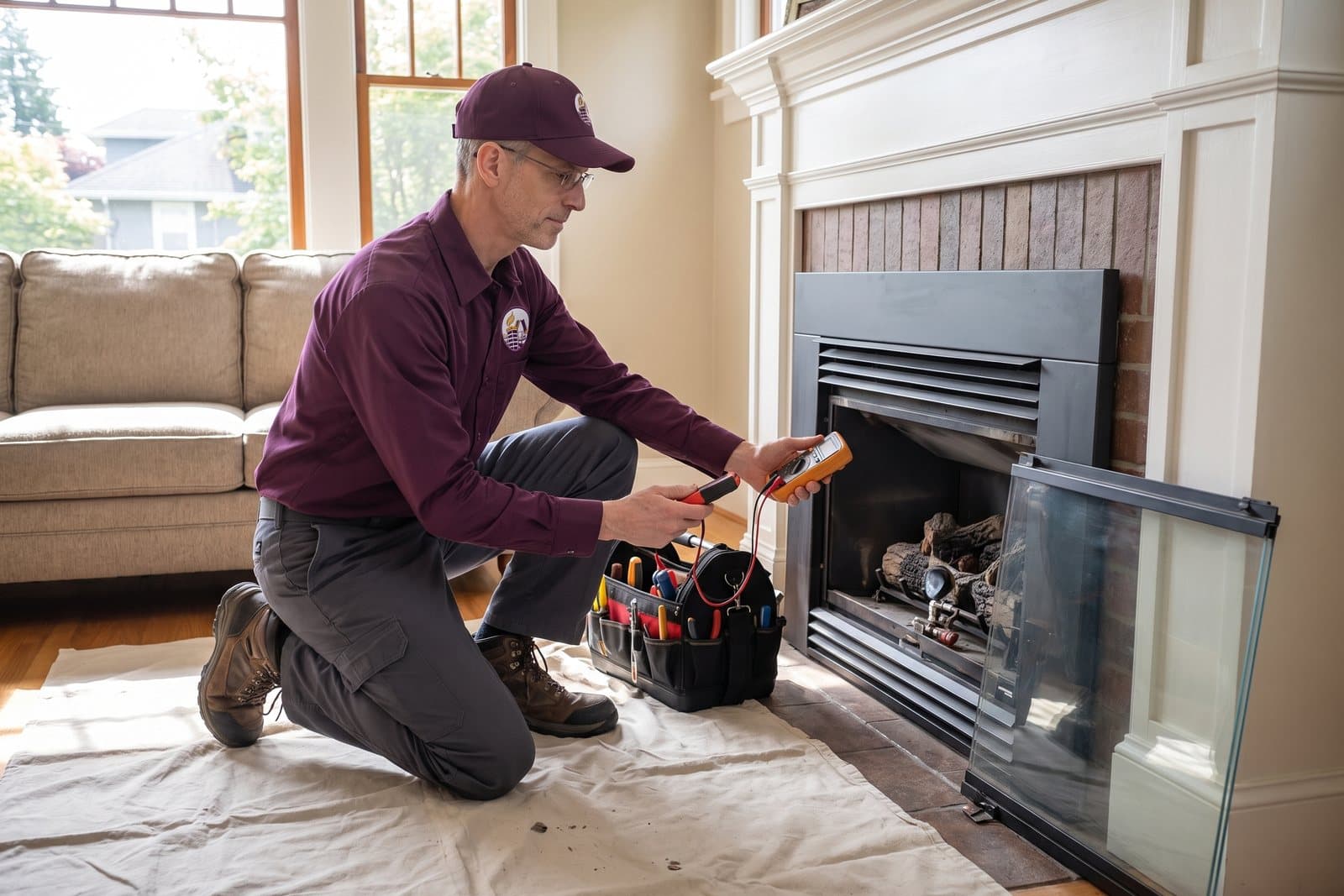
Glass removed, cleaned and checked for a sound gasket
Learn more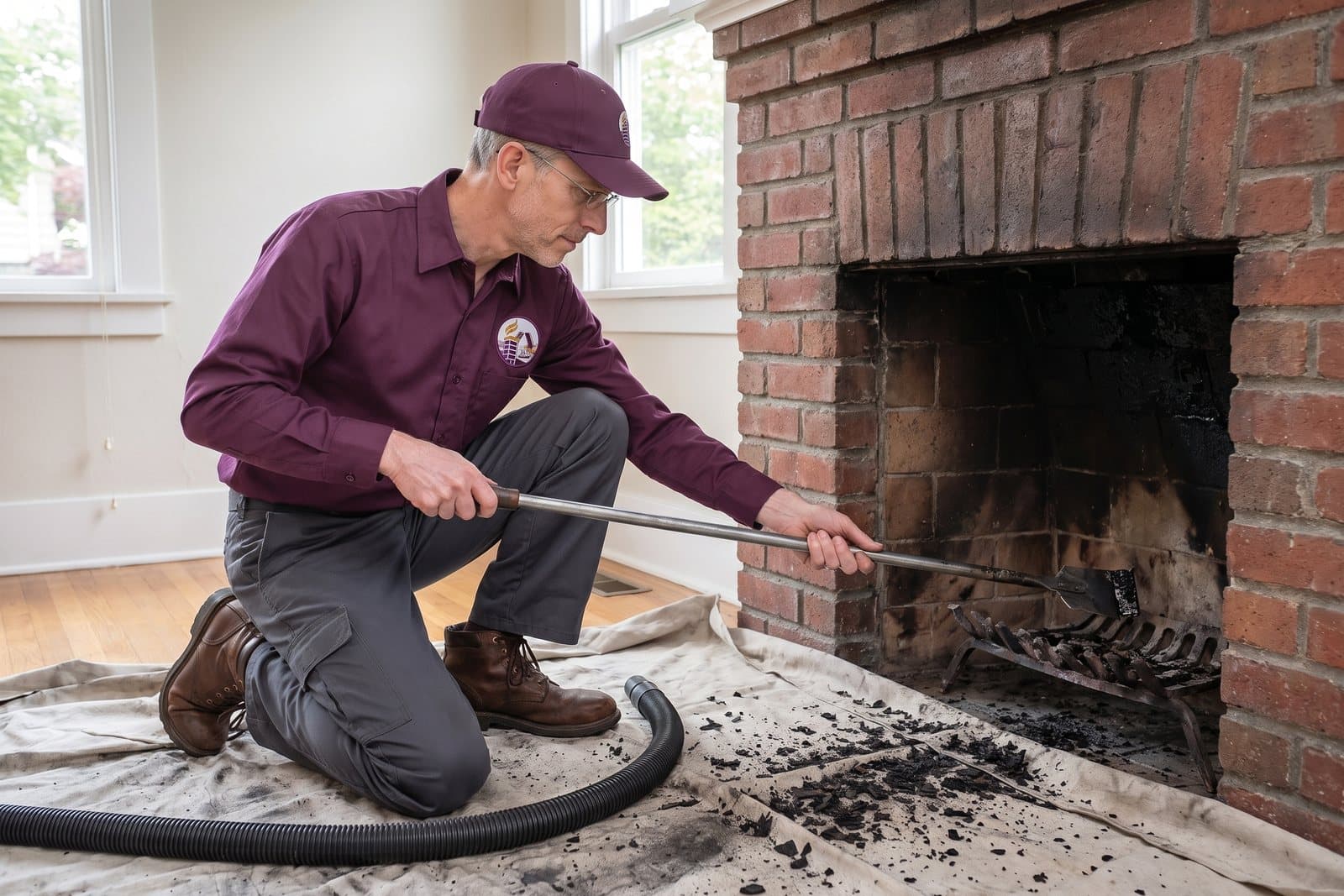
A camera scan to identify the type and extent of the deposit
Learn more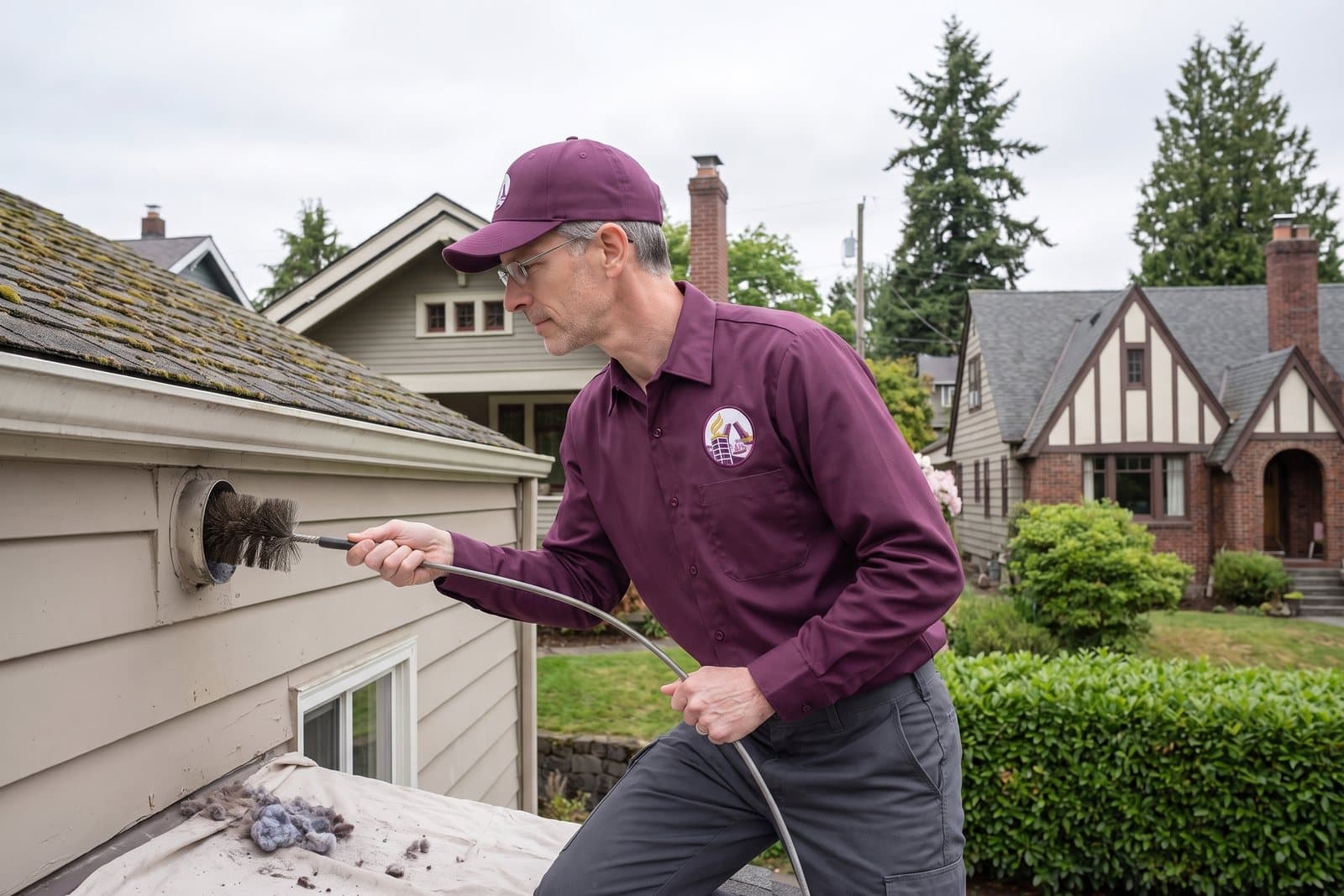
The duct brushed along its entire run, dryer end to outside hood
Learn more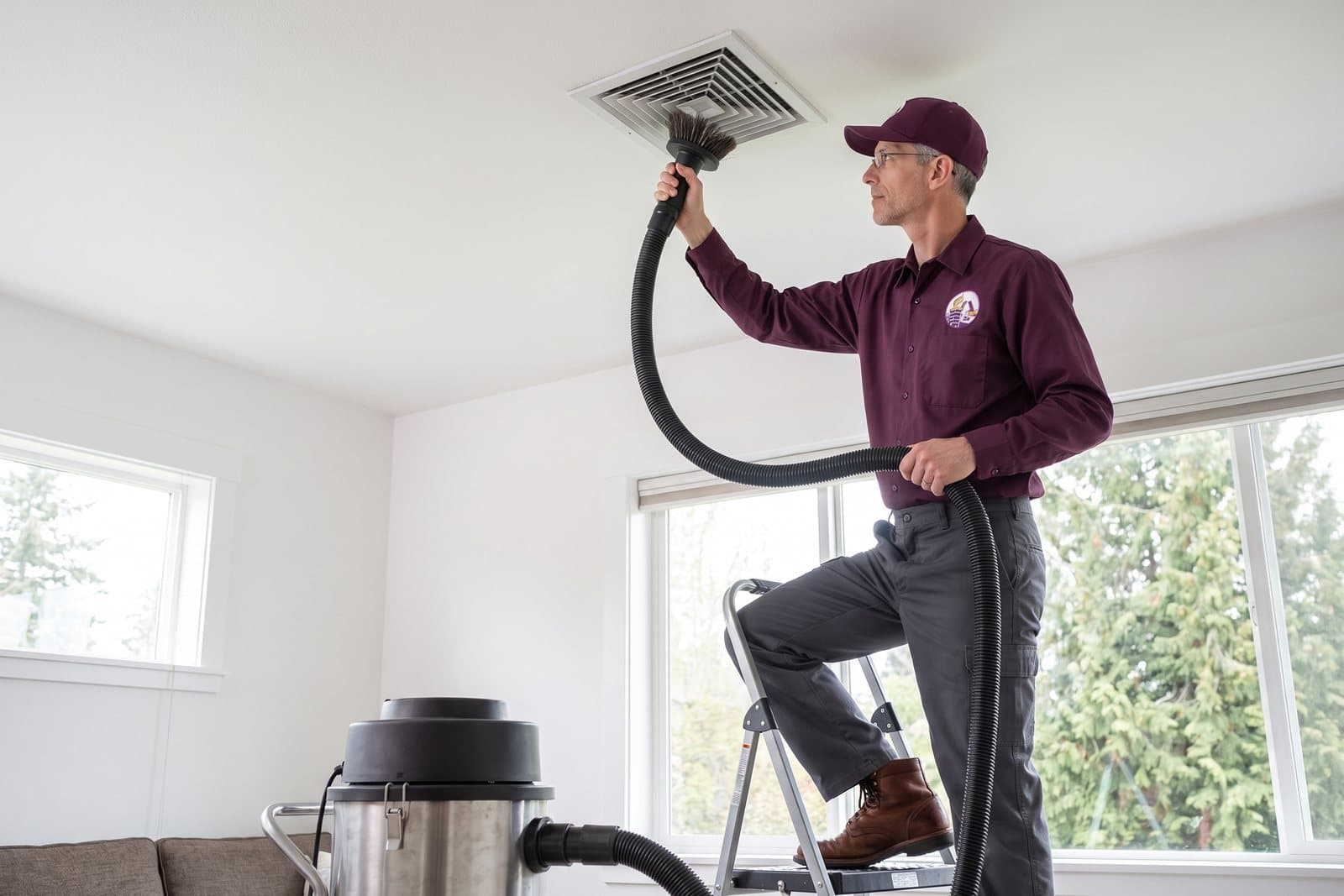
Interior photos of several duct runs before cleaning
Learn moreRanges shown for orientation — the exact figure is written up on-site, after the inspection.
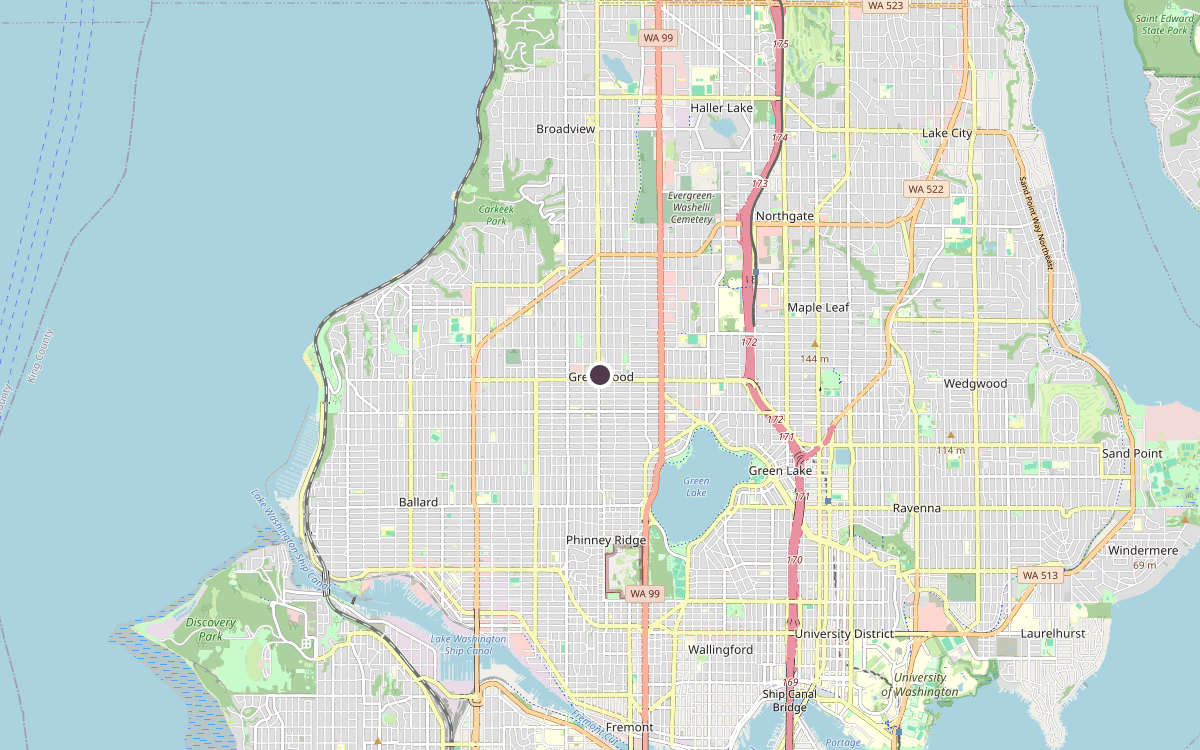
Service-area map — Greenwood, Seattle. Map data © OpenStreetMap contributors.
Greenwood is a North Seattle neighborhood centered on the crossing of Greenwood Avenue N and N 85th Street. Sources draw it differently. HistoryLink's traditional Greenwood runs from N 80th Street to Holman Road NW, between 8th Avenue NW and Aurora Avenue N; Wikipedia extends it from N 75th to N 105th streets. Its southern blocks fall in ZIP area 98103, shared with Phinney Ridge, Green Lake, Fremont and Wallingford, and the census figures quoted on this page are for that area. North of 85th the neighborhood reaches into other ZIP areas for which this page has no data.
Before there were houses there was a burial ground. In 1891 David T. Denny set out the 40-acre Woodland Cemetery close to W 85th Street; it was renamed Greenwood Cemetery in 1903. HistoryLink sums up the area's beginnings as a bog and a graveyard.
The change to housing came in 1907, when former governor Henry McBride purchased the cemetery tract and subdivided it as the Greenwood Park Addition. Transit arrived almost at once: the Phinney Avenue streetcar reached the city limit at N 85th in 1909, and from 1910 the interurban railway bound north from Seattle ran along Greenwood Avenue. Greenwood Elementary School dates from the same moment, 1909.
For Greenwood, N 85th Street was a municipal border until 1954. In the city's commercial-district survey, two areas beyond 85th came in by annexation in 1950 and bigger annexations in 1953 and 1954 moved the boundary to 145th Street. Wikipedia adds a detail residents still notice: many residential streets north of 85th have no sidewalks, though people had expected them after annexation.
Commerce shifted in those years too. The same survey says the opening of Northgate in 1950 gradually drew trade away from older strips such as Aurora Avenue. Greenwood's own main street still has its 1920s buildings: Greenwood State Bank opened in 1925, the Masonic Lodge at N 79th Street dates from 1924, and brick and stone storefronts line the avenue from that period. For a chimney, the lesson of the line is simply not to assume. Age, builder and rules differed on either side, and we establish what a house has by examining it.
For 2020 to 2024, the federal census survey counts 28,631 housing units in ZIP area 98103. More than a third, 34.7%, were built in 1939 or earlier. For the whole of Seattle the share is 22.8%, and King County's is less than half of that again. Few units in the area date from the 1940s or 1950s, 3.2% and 5.9% respectively, and the median year built is 1970 because of the volume of recent construction.
These figures have limits we want to be plain about. They describe a ZIP area, not Greenwood. They exclude the part of the neighborhood north of 85th that lies in other ZIP areas. And the survey has no table for fireplaces or chimneys: it records each home's main heating fuel and nothing about what sits in the living room.
Four counties, King, Snohomish, Pierce and Kitsap, share one air agency, the Puget Sound Clean Air Agency, and Greenwood answers to it when an air quality burn ban is declared. Its King County trigger is a forecast. The threshold for fine particles is 35 micrograms in a cubic meter of air, taken as a 24-hour mean, and a ban follows when the next 48 hours are expected to exceed it.
Stage 1 silences the wood fireplace; stoves and inserts without certification fall silent with it. Under Stage 2 the certified ones go quiet too, pellet stoves along with them. A home with an approved exemption may keep burning if it has no other adequate heat, and adequate has a definition: heat enough to keep lived-in rooms at 70°F, the reading taken a yard above floor level. Current status is on the agency's website and at 800-595-4341.
Three dated facts describe Greenwood's ground. Peat lies under the neighborhood's core. Its storm drains, in HistoryLink's account, had not yet been improved when the 1970s came. And peat bogs became a critical-area category on August 22, 2008, four years before N 85th Street was rebuilt in 2012.
For weather there is nothing local to cite: no station record was found for the west side of North Seattle, Greenwood included. Seattle's averages from WeatherSpark stand in, with 6.6 months of wetter season, counted from October 10. The Western Regional Climate Center's narrative says wet-season winds across the Puget Sound lowlands blow from the south or southwest and turn northwesterly in summer.
We draw one working conclusion and no more. A house here may have moisture to deal with from below as well as from above over a long season, so on a Greenwood chimney we check both ends: the top, where rain gets in, and the base, in the basement or crawl space, where dampness shows first. We do not assert that any chimney has settled because of the soil.
The grid we quote from for Greenwood homes — the $99 inspection comes first, the written quote before any work.
| Service | Price in Greenwood | What that covers |
|---|---|---|
| Chimney Sweep | $209–$459 | Full flue swept, Level 1 inspection included |
| Chimney Inspection | $99 plus tax | Level 1 visual; Level 2 adds a full camera scan |
| Chimney Relining | From $1,900 | Full-length stainless liner, sized to the appliance |
| Chimney Repair | From $425 | Masonry repair — brick and mortar, scoped after diagnosis |
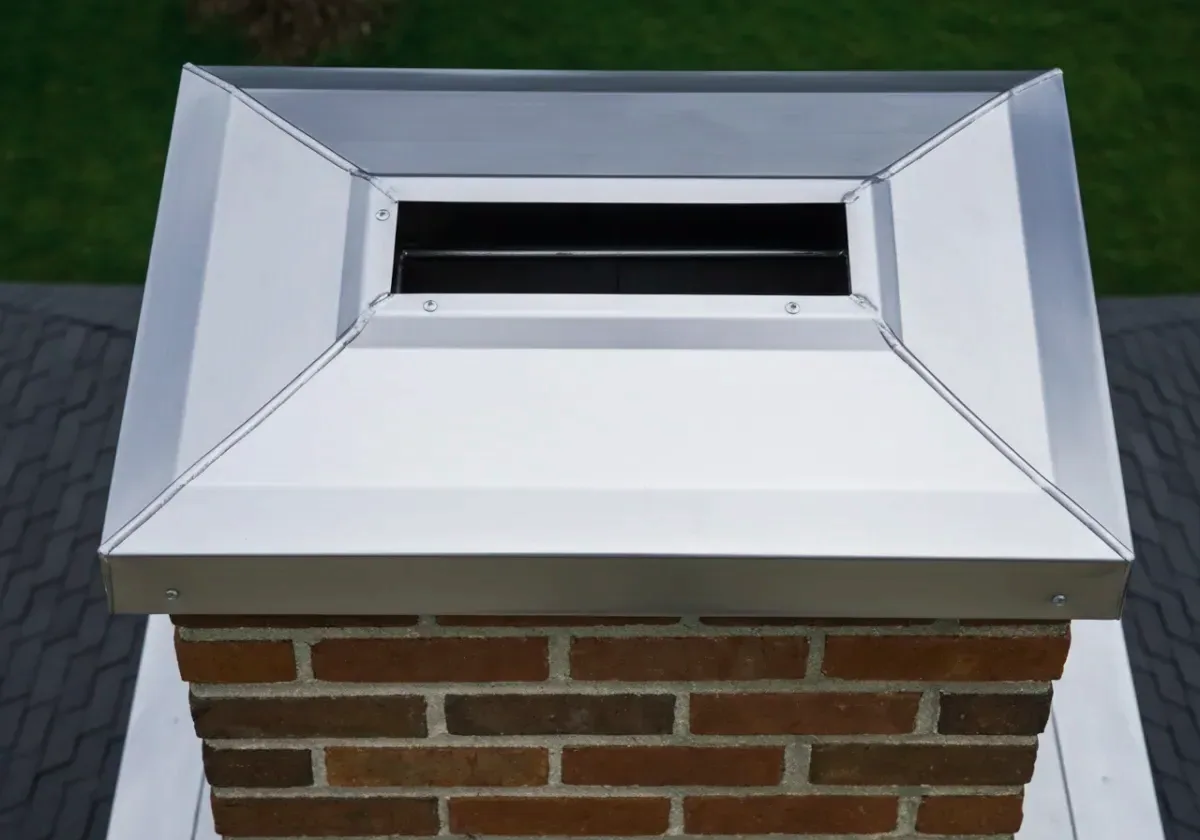
| Chimney Cap Installation | $265–$850 | Stainless cap fitted; multi-flue and custom at the top |
| Masonry Repair (Crown / Repointing) | From $475 | Crown work, repointing and tuckpointing by surface area |
| Chimney Waterproofing | $320–$795 | Breathable sealer — reapplied every 3–5 years in this climate |
| Chimney Flashing Repair | $375–$1,495 | Reseal at the low end, full flashing replacement at the high |
| Gas Fireplace Service | $189–$479 | Annual service and tune-up; repairs quoted after diagnosis |
| Creosote Removal | From $245 | Priced by creosote stage — glazed stage 3 is the heavy end |
| Dryer Vent Cleaning | $105–$295 | Full run cleaned; roof or upper-floor terminations at the top |
| Air Duct Cleaning | From $525 | Whole HVAC system — trunks, branches and every register |
Ranges are what these jobs are quoted at in Greenwood. The exact figure is set on site after a $99 inspection (credited toward the job if you go ahead), and you approve it before any work starts.
A masonry chimney built in Seattle today must be reinforced. For a stack 40 inches wide or less, the Seattle Residential Code wants four No. 4 bars, vertical and continuous. It also wants the stack tied to the framing by steel straps, two of them, 3/16 by 1 inch in section, every strap fastened to four joists. Chimneys from the early twentieth century predate those provisions. The Washington Geological Survey reminds readers that the Cascadia megathrust is capable of a magnitude 9 earthquake and last ruptured about 300 years ago.
No source gives earthquake damage figures for Greenwood chimneys, and this page offers none. For owners weighing what to do with an old stack, FEMA's advisory ranks the alternatives: for a fireplace no longer in use, a cap at roof level; for one still used, new construction from the firebox top upward, namely a metal flue boxed in light framing; and, rated best of all, replacing the whole thing with a factory-built unit. FEMA adds that a building permit is always required for the reconstruction it describes, so we go to SDCI with the specifics before quoting such work.
Before and after
Illustrations of what each repair changes on a typical chimney — not photos of a specific job.
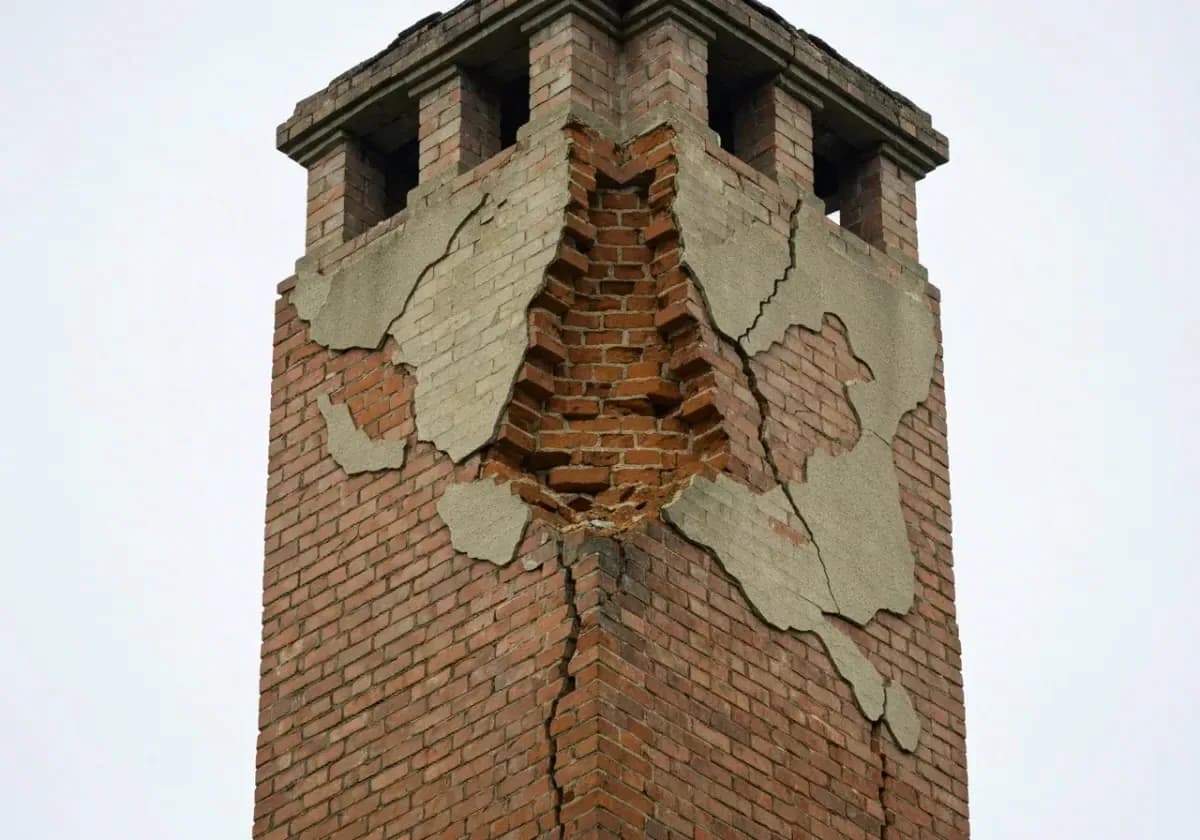 Before
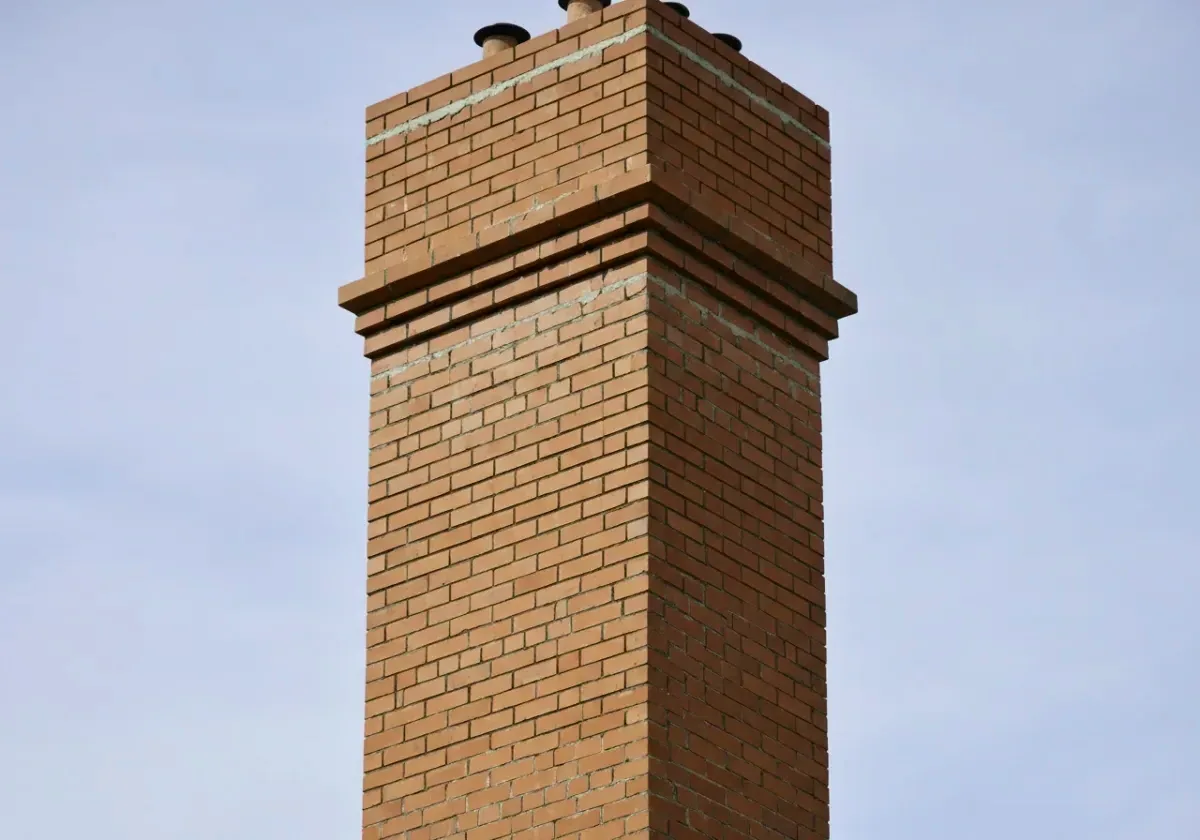 After
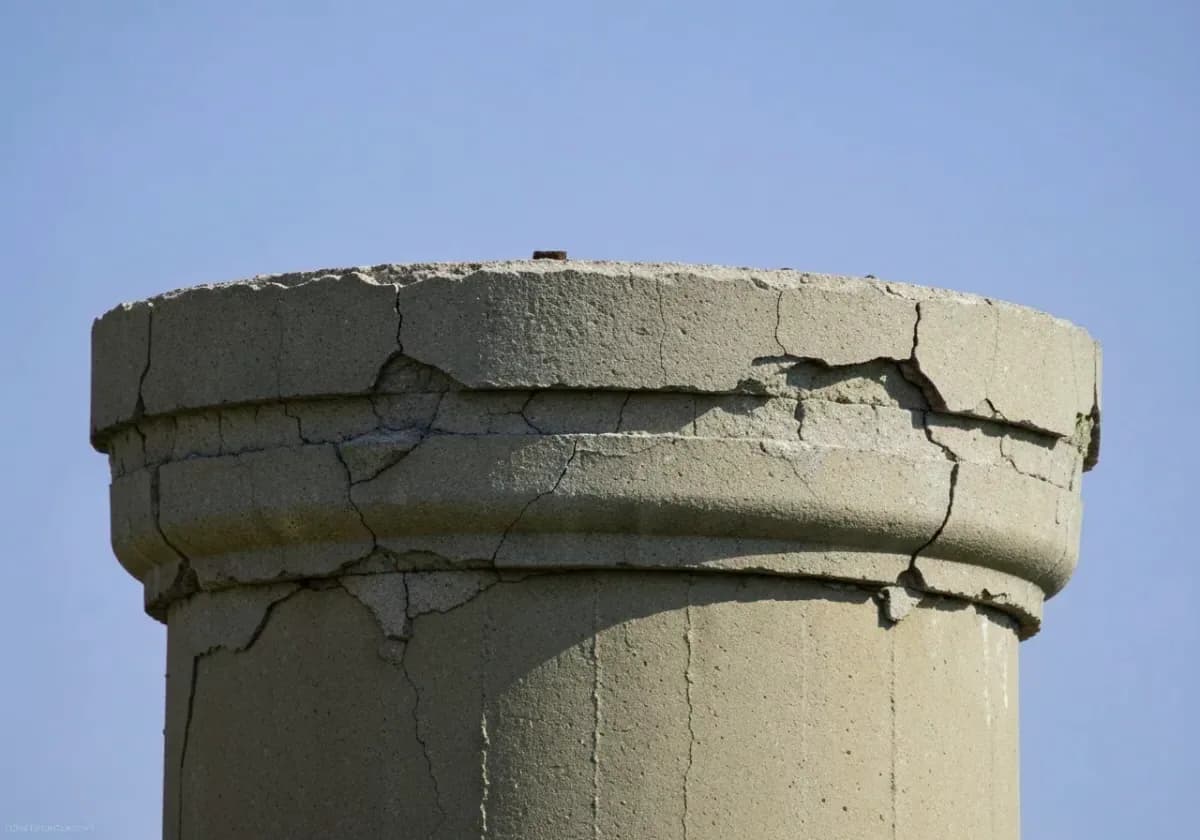 Before
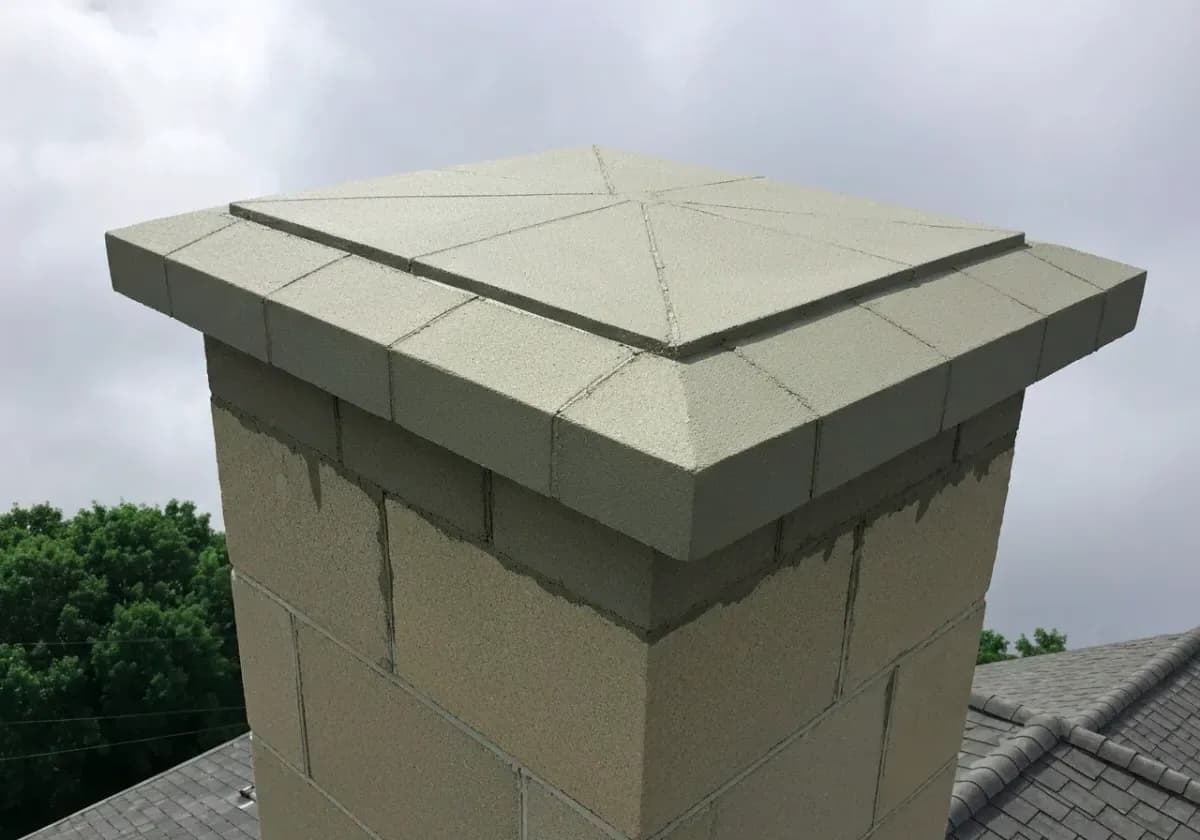 After
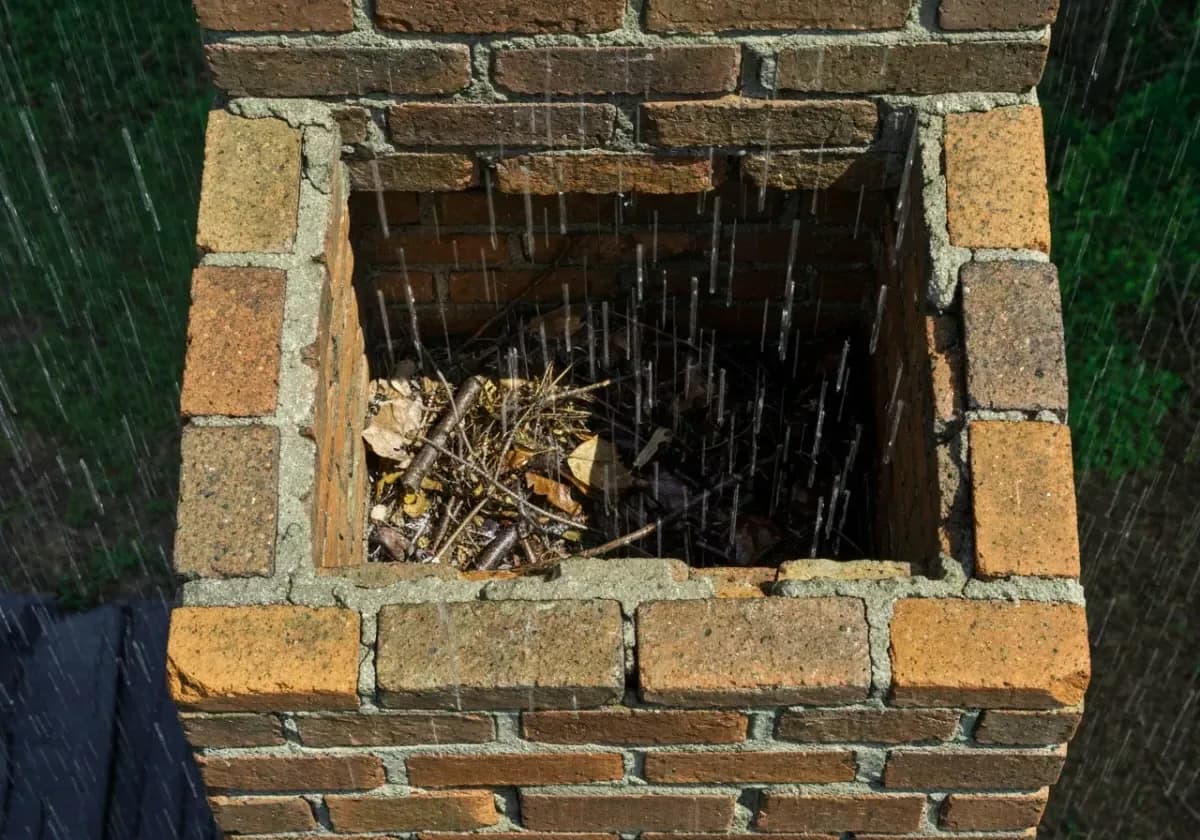 Before
 After
Four steps, each one on paper — so you always know what happens next.
Choose a genuine opening on the crew's calendar. Confirmation is immediate.
Liner, crown, cap, flashing and masonry examined in order — each finding photographed.
One document, plain numbers, covering only the work your chimney genuinely needs.
The repair is completed, then handed over with before-and-after photos of every item.
Yes, from the Phinney Ridge line north to Holman Road and beyond 85th. The same prices and the same $99 plus tax first visit apply throughout.
We have found no published source that says so for any specific house, and we do not claim it. On every visit we check the stack for plumb and for cracks at the base, and we write the measurements down so that any change can be seen later.
An on-site visit: $99 plus tax for each chimney, report and photos included. Where work turns out to be needed, accepting the quote turns the fee into a credit.
Outside burn bans, yes, with dry seasoned wood and smoke kept at or under 20% opacity. During a Stage 1 ban only certified stoves may be used, and during Stage 2 none may, unless you hold the sole-heat exemption.
Choose a genuine opening on the crew's calendar. We inspect, quote in writing, and hand over a photo record of every repair.