Maple Leaf, King County
Chimney work on Maple Leaf starts with two facts about the place. It is a hill, the third-highest point in Seattle by Wikipedia's list, so its roofs meet the weather head-on. And it was built in two installments, one inside the city and one outside it, divided until 1954 by 85th Street. The notes below collect what the public record says on both counts, source by source, before any of it turns into a recommendation on your roof.
Book an inspection
Book your $99 inspection
$99 plus tax, deducted when you approve the repair
Not sure where to start
Pick what you're seeing at your Maple Leaf home — we'll point you to the right fix.
What we do
The same crew, the same written quote — for Maple Leaf homes.
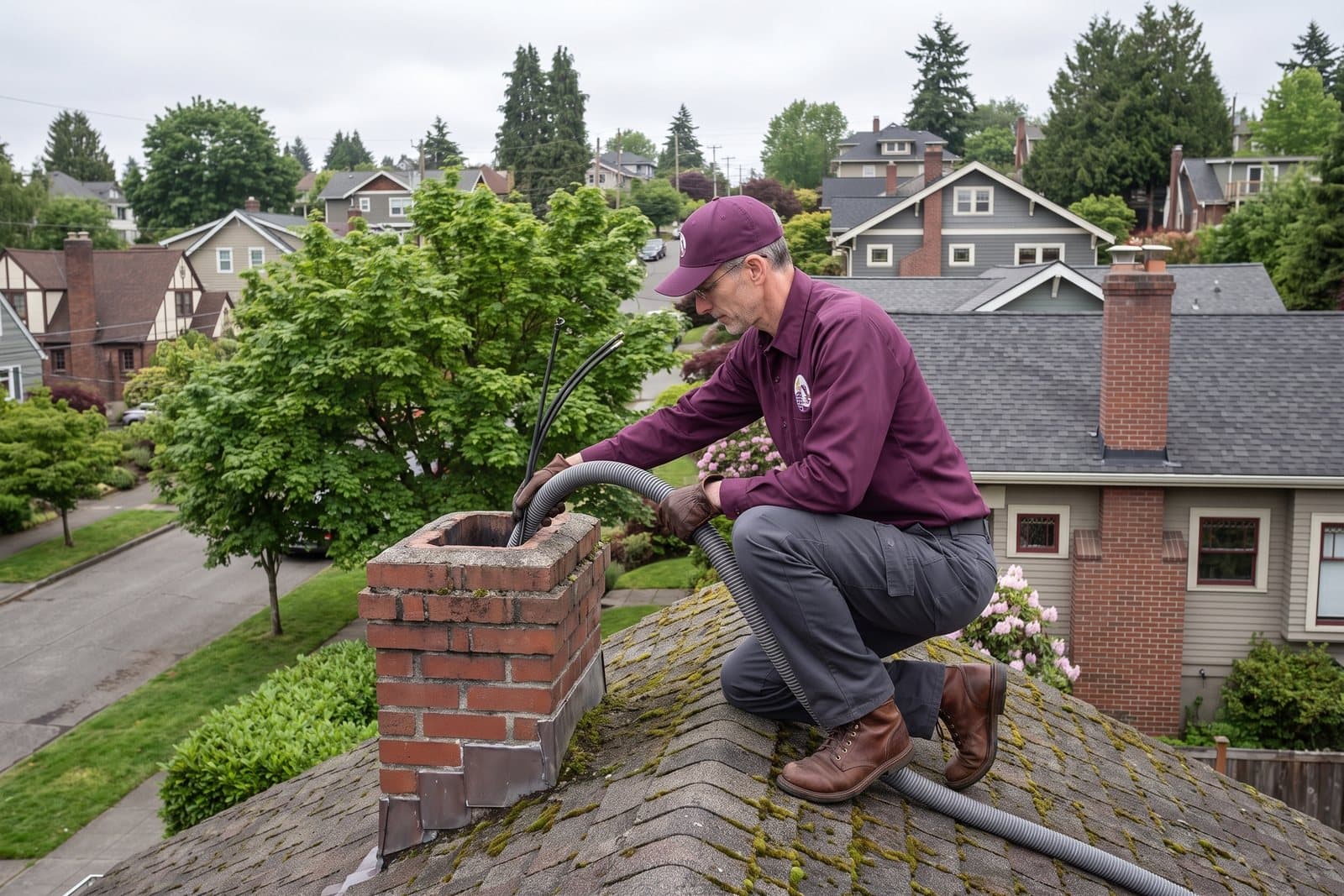
The whole flue brushed, using heads picked for the liner's size and shape
Learn more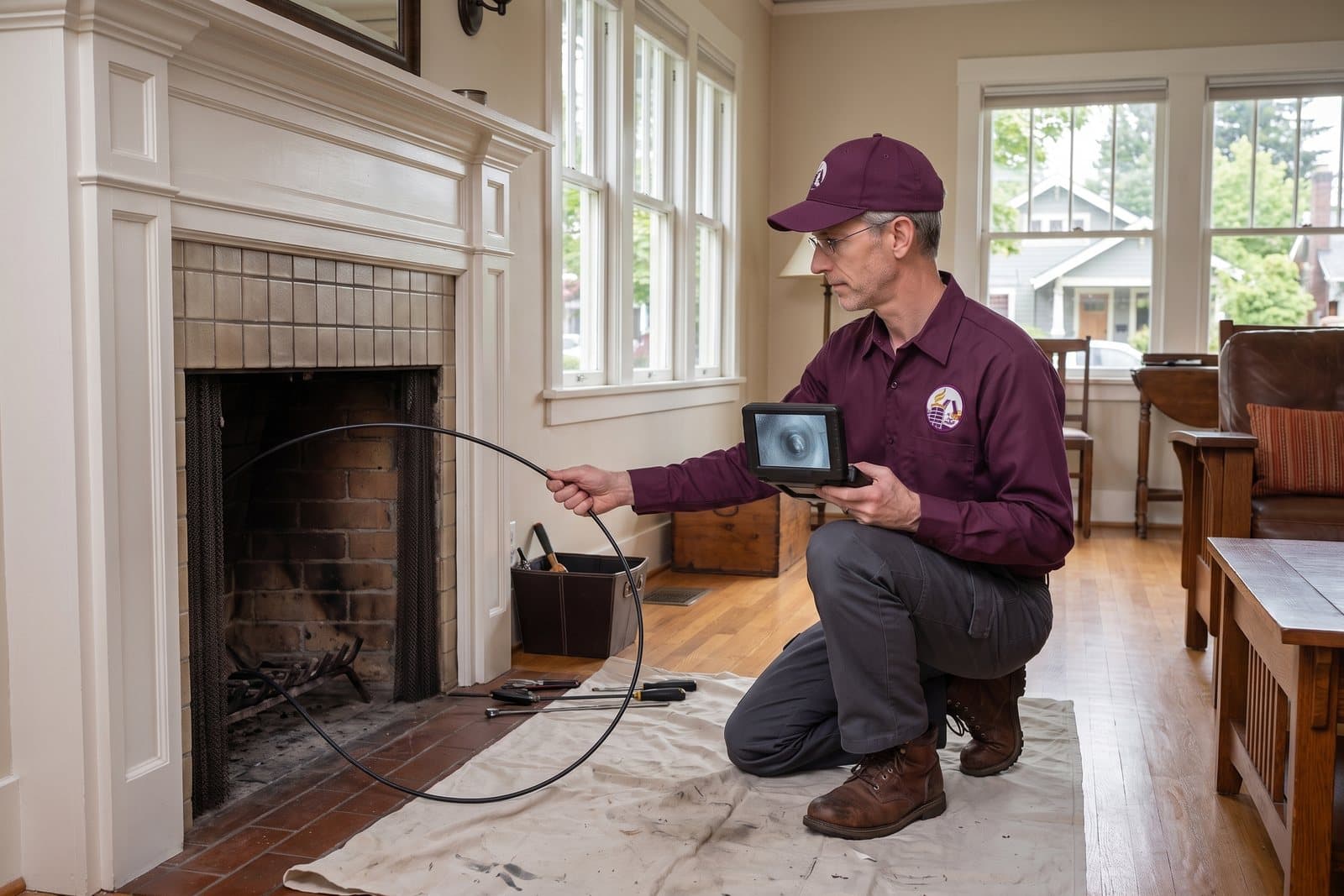
A Level 1 review of everything reachable, raised to a Level 2 camera scan when a question stays open
Learn more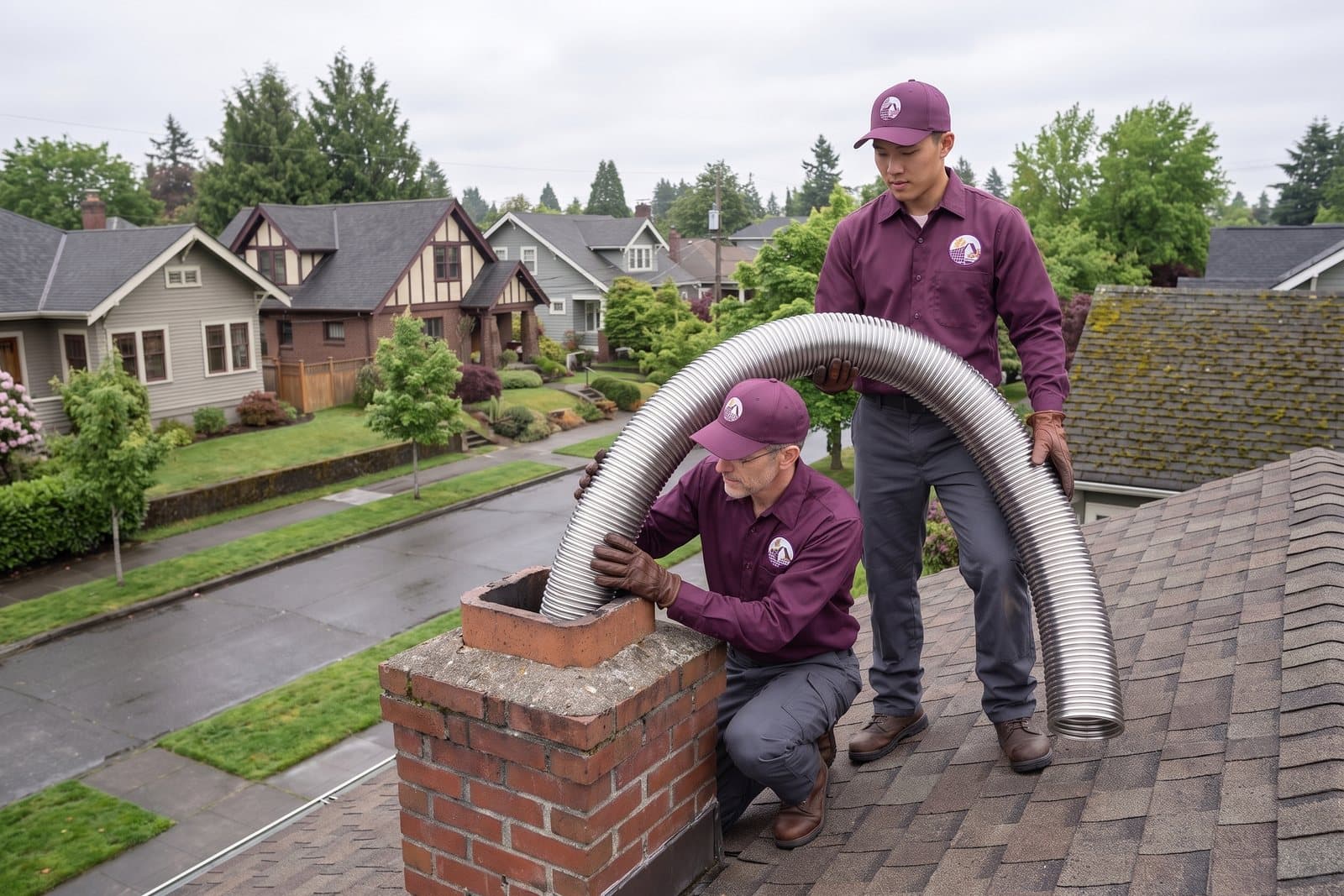
Camera survey and measurements taken before any liner is chosen
Learn more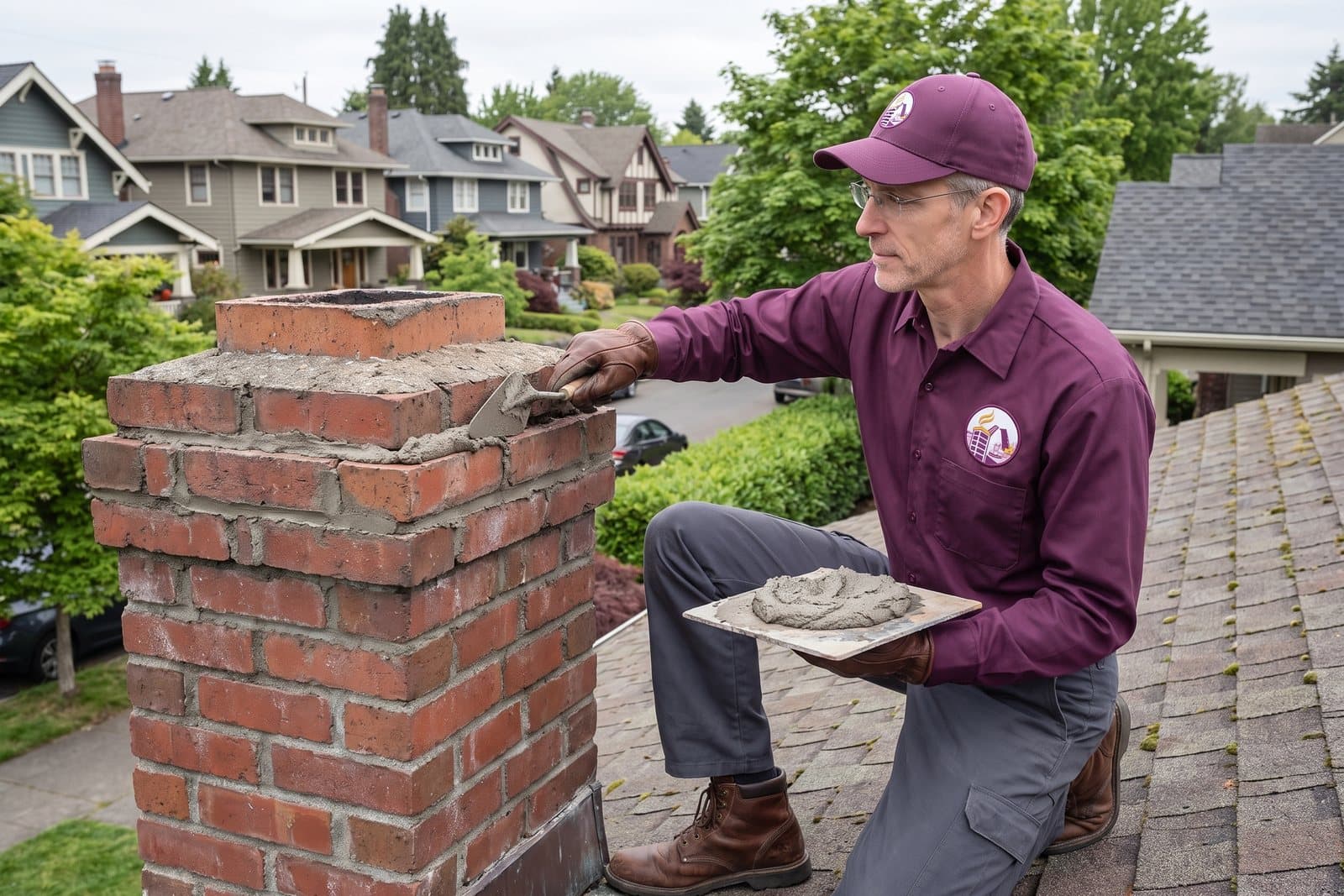
A photo assessment that distinguishes surface wear from structural damage
Learn more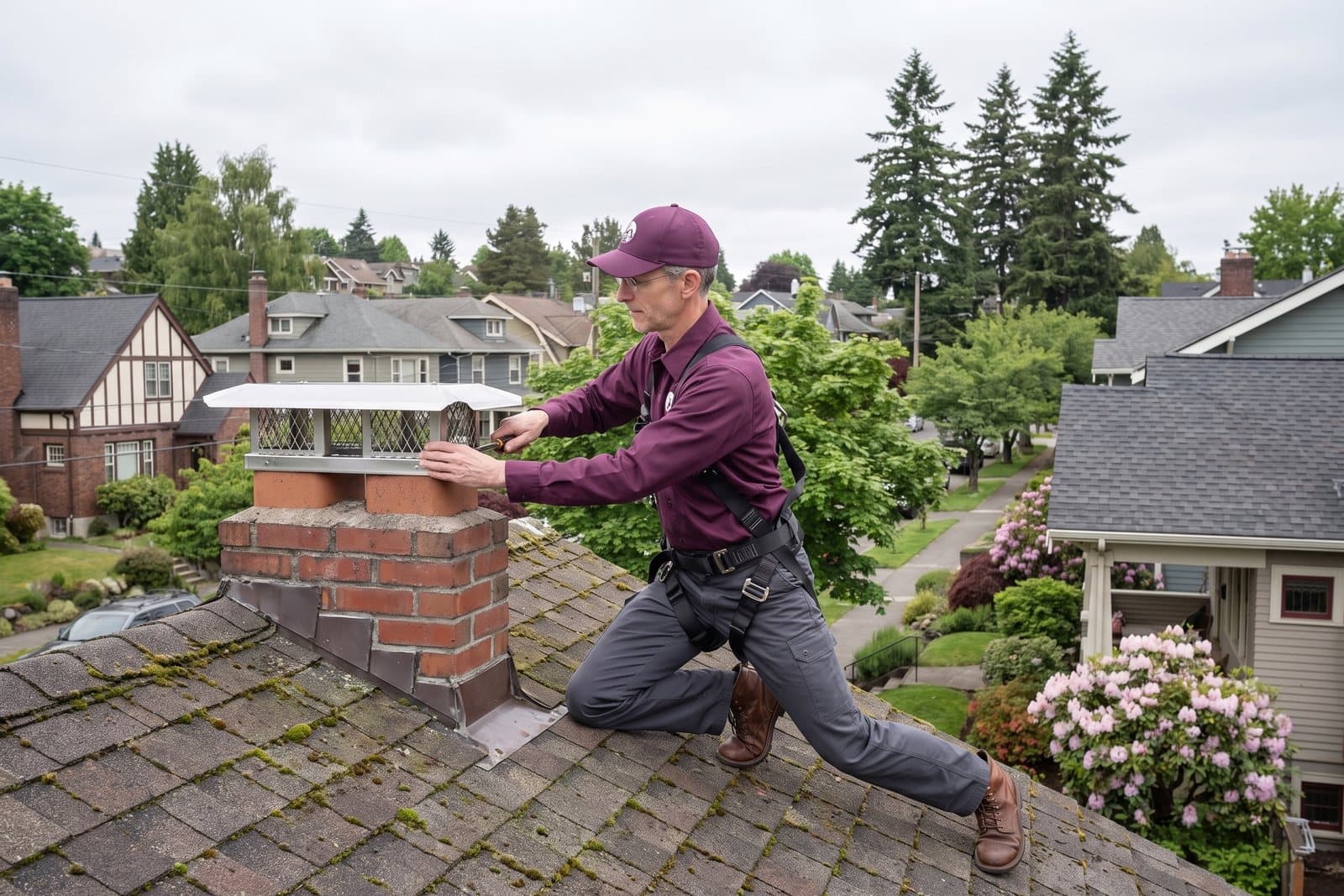
Measurement of each flue, or of the crown when a single cap will span several
Learn more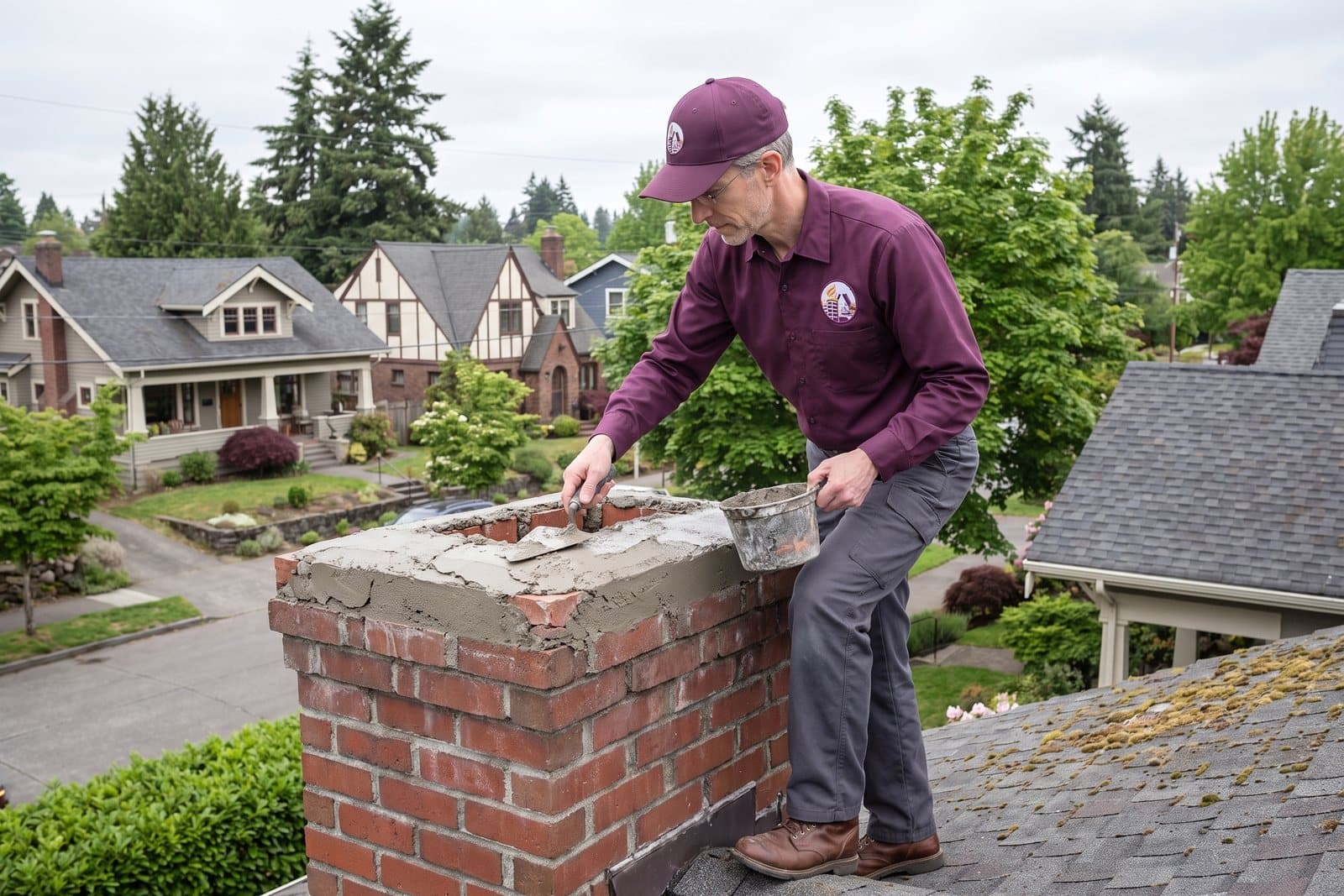
Crown and all four sides photographed before any work
Learn more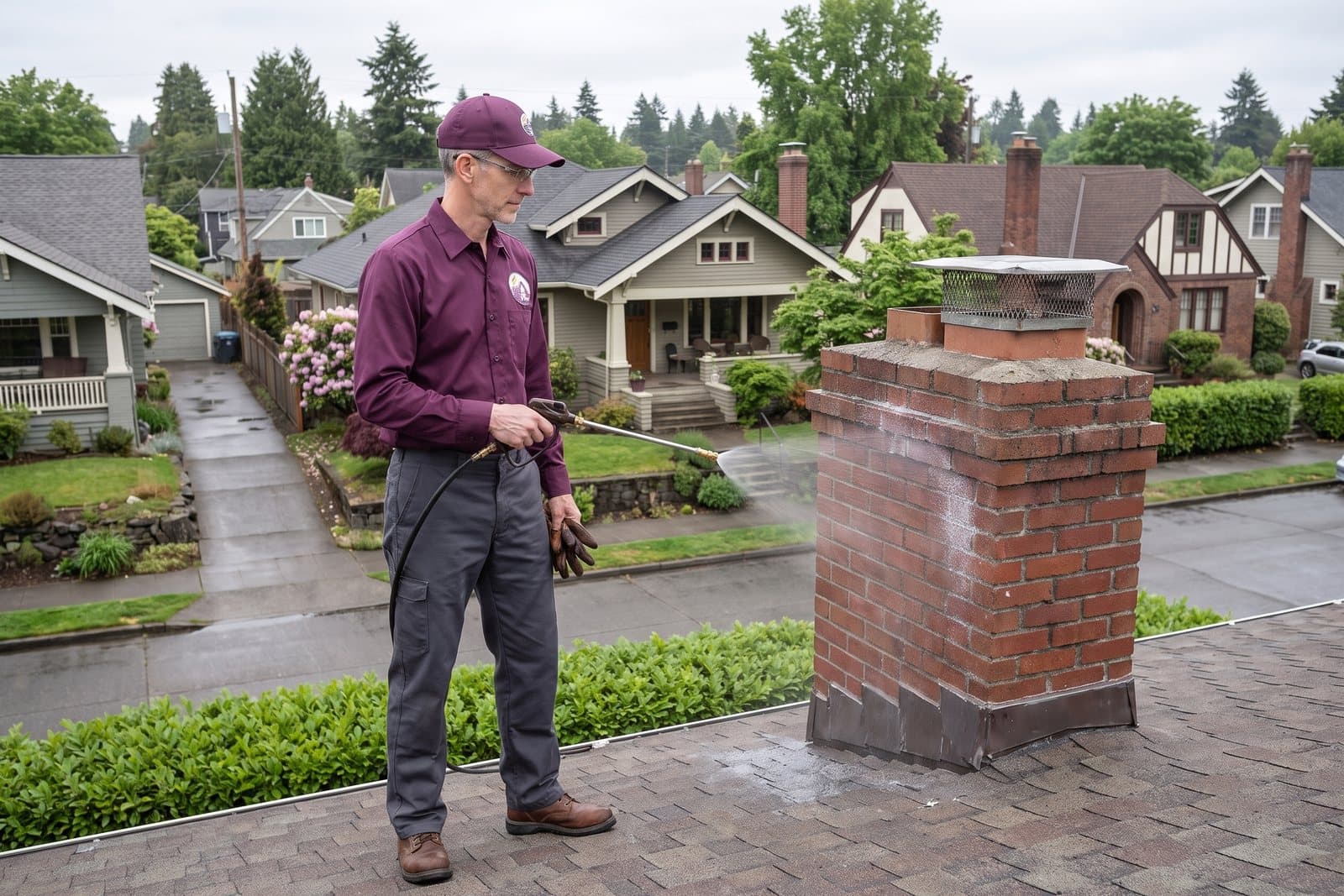
Inspection of crown, joints and flashing before anything is applied
Learn more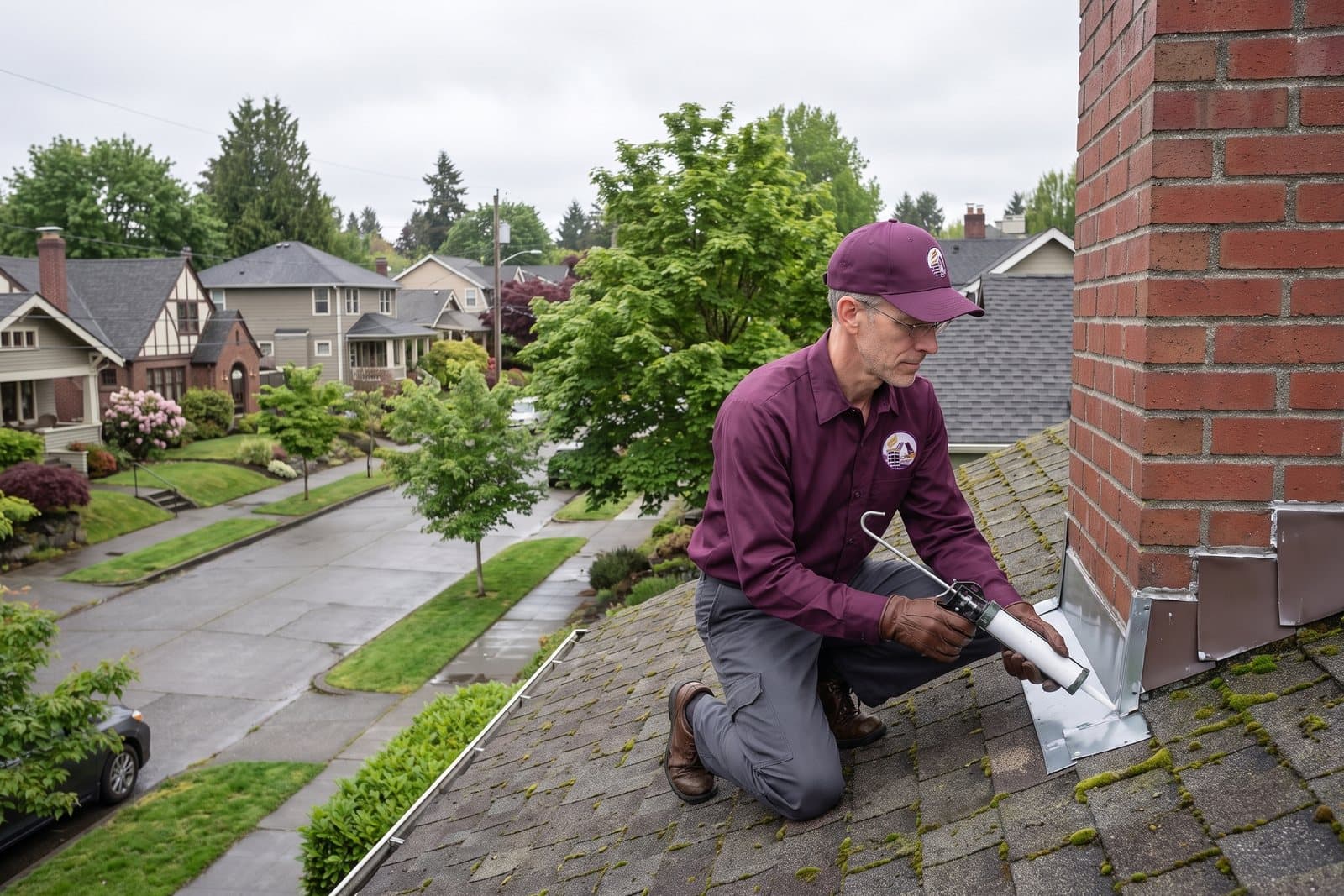
Leak tracing from the stain indoors to the entry point on the roof
Learn more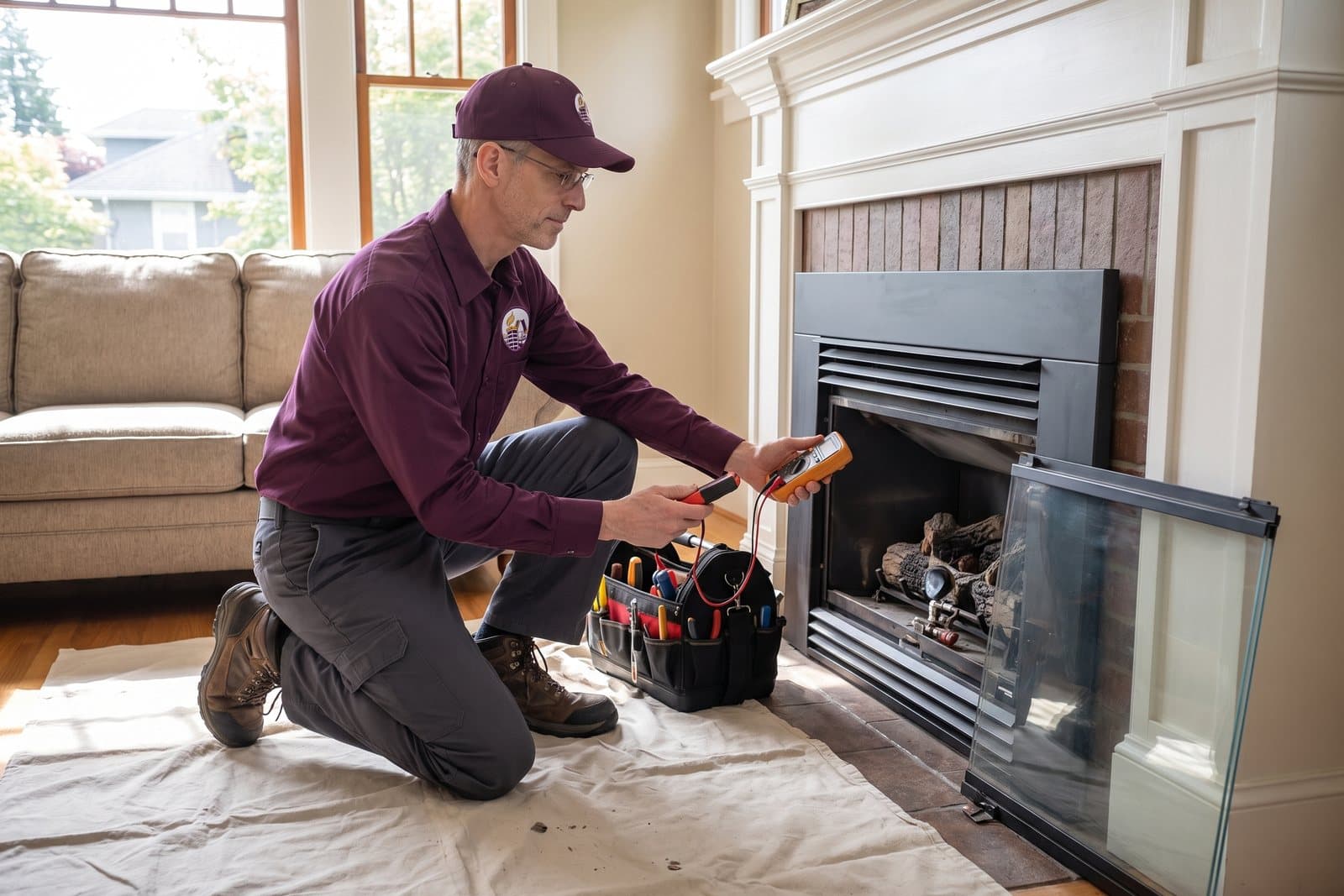
Glass removed, cleaned and checked for a sound gasket
Learn more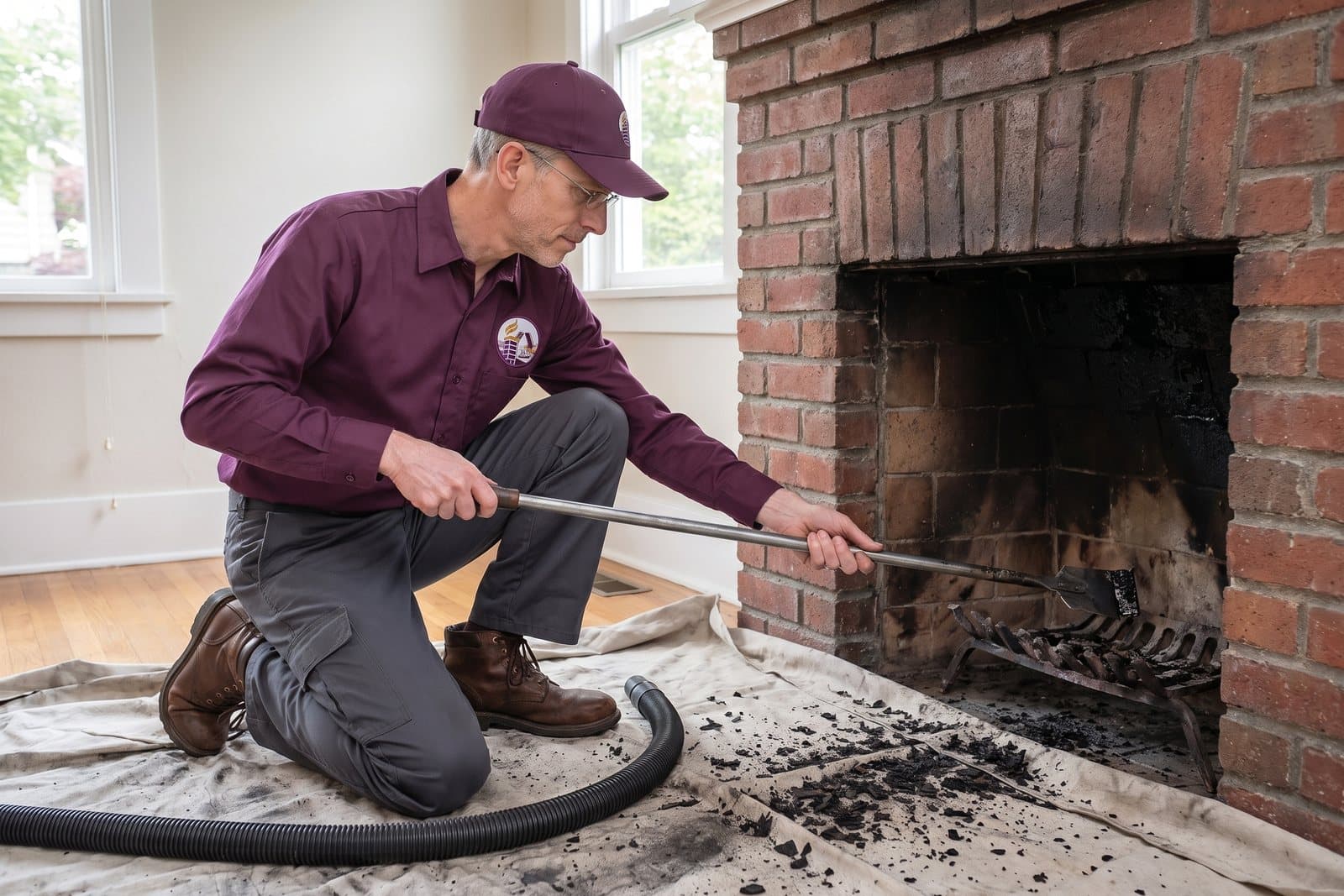
A camera scan to identify the type and extent of the deposit
Learn more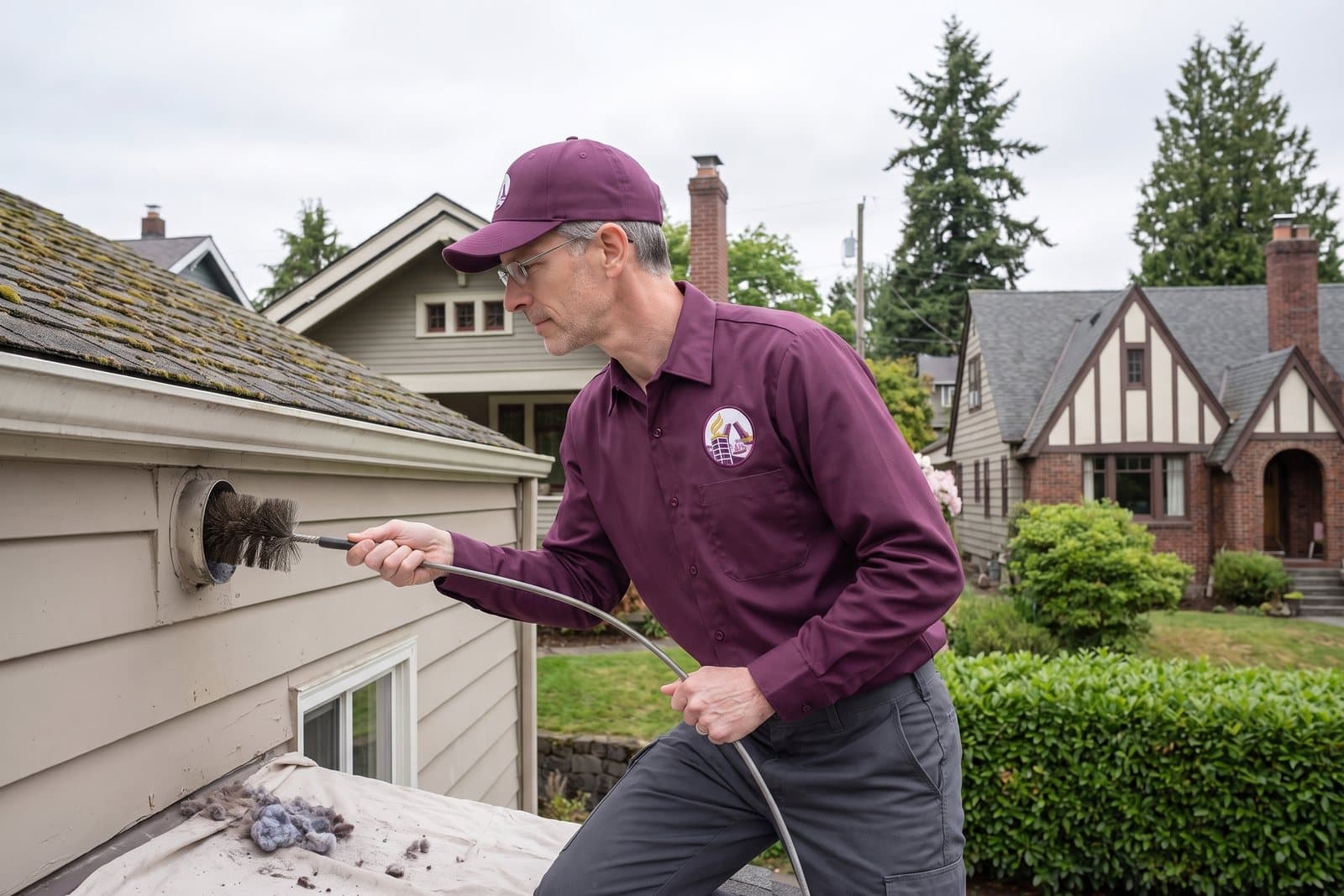
The duct brushed along its entire run, dryer end to outside hood
Learn more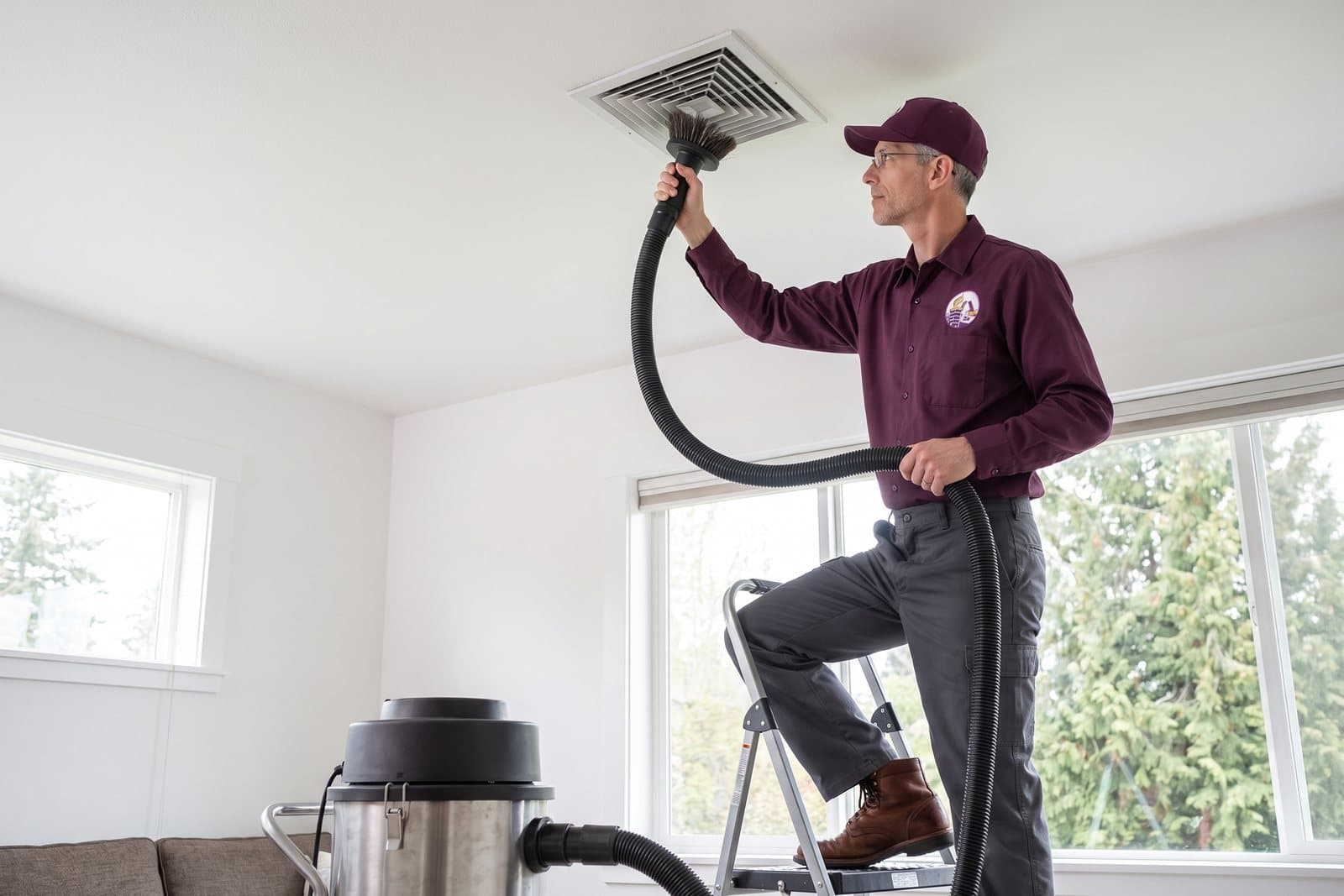
Interior photos of several duct runs before cleaning
Learn moreRanges shown for orientation — the exact figure is written up on-site, after the inspection.
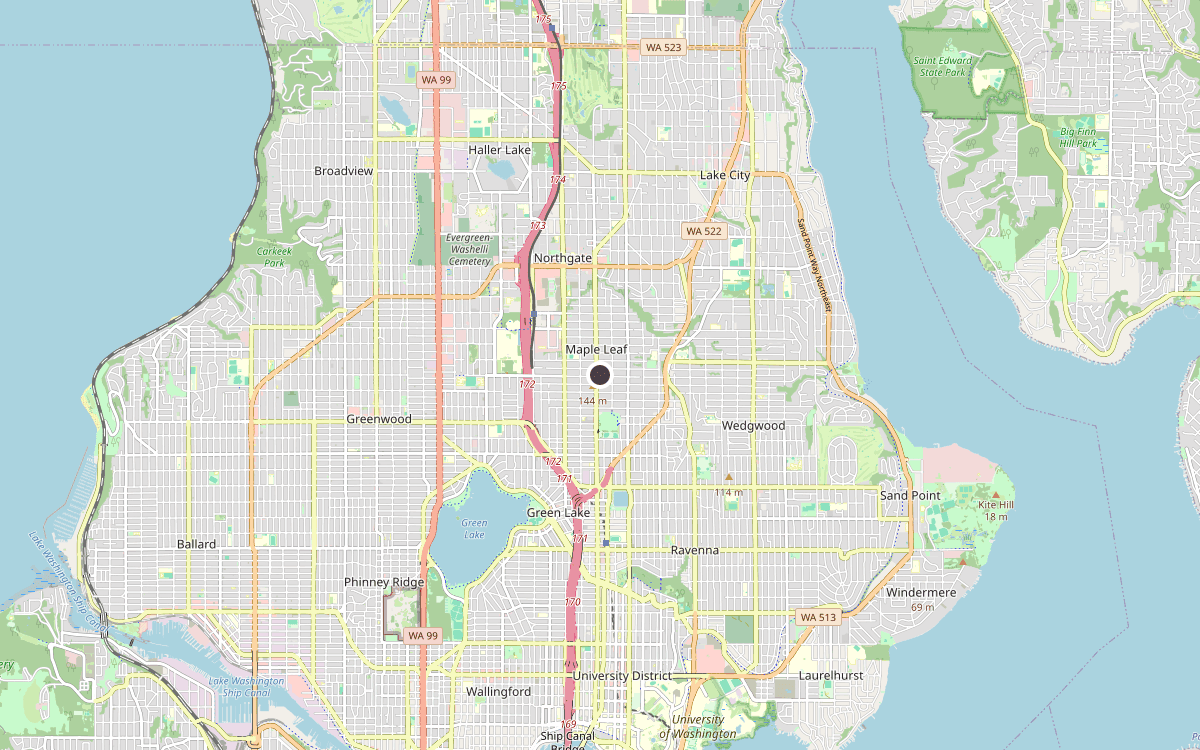
Service-area map — Maple Leaf, Seattle. Map data © OpenStreetMap contributors.
HistoryLink describes Maple Leaf as a rough triangle with Northgate Way and Interstate 5 on two of its sides, and Wikipedia stretches the neighborhood south as far as NE 75th Street. Its high point, 466 feet above sea level, is at 92nd Street and Roosevelt Way. The Census reports no figures for the neighborhood alone. The nearest unit is ZIP area 98115, shared with Wedgwood and Ravenna, where the median home dates from 1962 and detached houses are 59.7 percent of all housing units.
The name first appears on maps in 1894, on a tract promoted as the Maple Leaf Addition to the Green Lake Tract. Sales were slow and houses few. By 1907 there were enough families for the residents to organize a Maple Leaf School District of their own.
The Seattle Water Department then put the hilltop to use. It built Maple Leaf Reservoir in the early 1910s; HistoryLink gives 1912 and Wikipedia 1910. A water tower 100 feet tall followed in the 1940s. Waldo Sanitarium was founded here in 1924 and operated, later as Waldo General Hospital, until 1985. The reservoir went underground in a project planned from 2009, and the 16-acre Maple Leaf Reservoir Park on its lid was completed in 2013.
Until 1954 the Seattle city limit followed 85th Street, which left the upper part of Maple Leaf outside the city. According to a historic survey the city commissioned in 2002, small farms held on north of that street right up to the years following World War II. Annexations in 1950, 1953 and 1954 then moved the boundary to 145th Street.
Development came quickly after that. Northgate opened in 1950 just to the northwest. Sacajawea School began in nine portables in 1955, had a permanent building by 1959 and enrolled 500 children by 1961. Interstate 5 was cut along the western edge in the mid-1960s. A chimney on the south side of the old line and one on the north side may thus belong to different generations of building, and we check the house, not the map, to learn which.
There is no weather station on Maple Leaf itself. The closest long record, from Sand Point in northeast Seattle, counts about 24 freezing nights a year, most of them in three months: 7.2 in December, 7.0 in January, 5.9 in February. Snow is usually light, yet December 1996 alone delivered 17.9 inches there.
For wind we rely on citywide sources. WeatherSpark has Seattle's windier season starting October 15 and ending April 24; December leads, its hourly mean a modest 5.1 miles per hour. The city's emergency management office adds that winds accelerate over hills and ridges. Caps, crowns and flashing on high ground deserve a look after any storm strong enough to bring down branches.
Of the 25,486 housing units the Census counts in ZIP area 98115, close to half were in place before 1960. Their heating has since changed: 48.8 percent of households now name electricity as their main source and 43.5 percent utility gas, with fuel oil at 5.8 percent. Nothing in the survey says what happened to the fireplaces along the way, and a given one may hold anything from an untouched open hearth to a wood insert of unknown date.
Two labels settle most questions. The first is the appliance's listing: a fireplace insert needs its UL 1482 listing and its label under the Seattle Mechanical Code, and a pellet appliance an ASTM E1509 listing. The second is the EPA certification label, which the Puget Sound Clean Air Agency treats as the practical test of a certified stove, together with a single glass door; twin doors, solid or glass, usually signal an uncertified one. With both labels read and the liner identified, as R1003.11 of the residential code expects it to suit the appliance, we know what the flue is being asked to do.
It begins with a forecast. When the Puget Sound Clean Air Agency expects fine particles in King County to climb past 35 micrograms a cubic meter (a 24-hour average) within the next two days, it declares a ban and posts the stage. Stage 1 takes out the open wood fireplace plus any stove or insert that lacks certification. The second stage then removes every other wood-burning device, along with pellet stoves.
Then a clock starts. Under WAC 173-433-150 a household with a fire already lit must stop feeding it, and if the chimney still shows smoke three hours after the declaration, that is taken as evidence of a violation. Outdoor fires, including recreational wood and charcoal ones, are off for the duration. And on ordinary days the standing limit remains: chimney smoke has to stay within 20 percent opacity, measured across six minutes in a row during any hour.
The grid we quote from for Maple Leaf homes — the $99 inspection comes first, the written quote before any work.
| Service | Price in Maple Leaf | What that covers |
|---|---|---|
| Chimney Sweep | $209–$459 | Full flue swept, Level 1 inspection included |
| Chimney Inspection | $99 plus tax | Level 1 visual; Level 2 adds a full camera scan |
| Chimney Relining | From $1,900 | Full-length stainless liner, sized to the appliance |
| Chimney Repair | From $425 | Masonry repair — brick and mortar, scoped after diagnosis |
| Chimney Cap Installation | $265–$850 | Stainless cap fitted; multi-flue and custom at the top |
| Masonry Repair (Crown / Repointing) | From $475 | Crown work, repointing and tuckpointing by surface area |
| Chimney Waterproofing | $320–$795 | Breathable sealer — reapplied every 3–5 years in this climate |
| Chimney Flashing Repair | $375–$1,495 | Reseal at the low end, full flashing replacement at the high |
| Gas Fireplace Service | $189–$479 | Annual service and tune-up; repairs quoted after diagnosis |
| Creosote Removal | From $245 | Priced by creosote stage — glazed stage 3 is the heavy end |
| Dryer Vent Cleaning | $105–$295 | Full run cleaned; roof or upper-floor terminations at the top |
| Air Duct Cleaning | From $525 | Whole HVAC system — trunks, branches and every register |
Ranges are what these jobs are quoted at in Maple Leaf. The exact figure is set on site after a $99 inspection (credited toward the job if you go ahead), and you approve it before any work starts.
Before and after
Illustrations of what each repair changes on a typical chimney — not photos of a specific job.
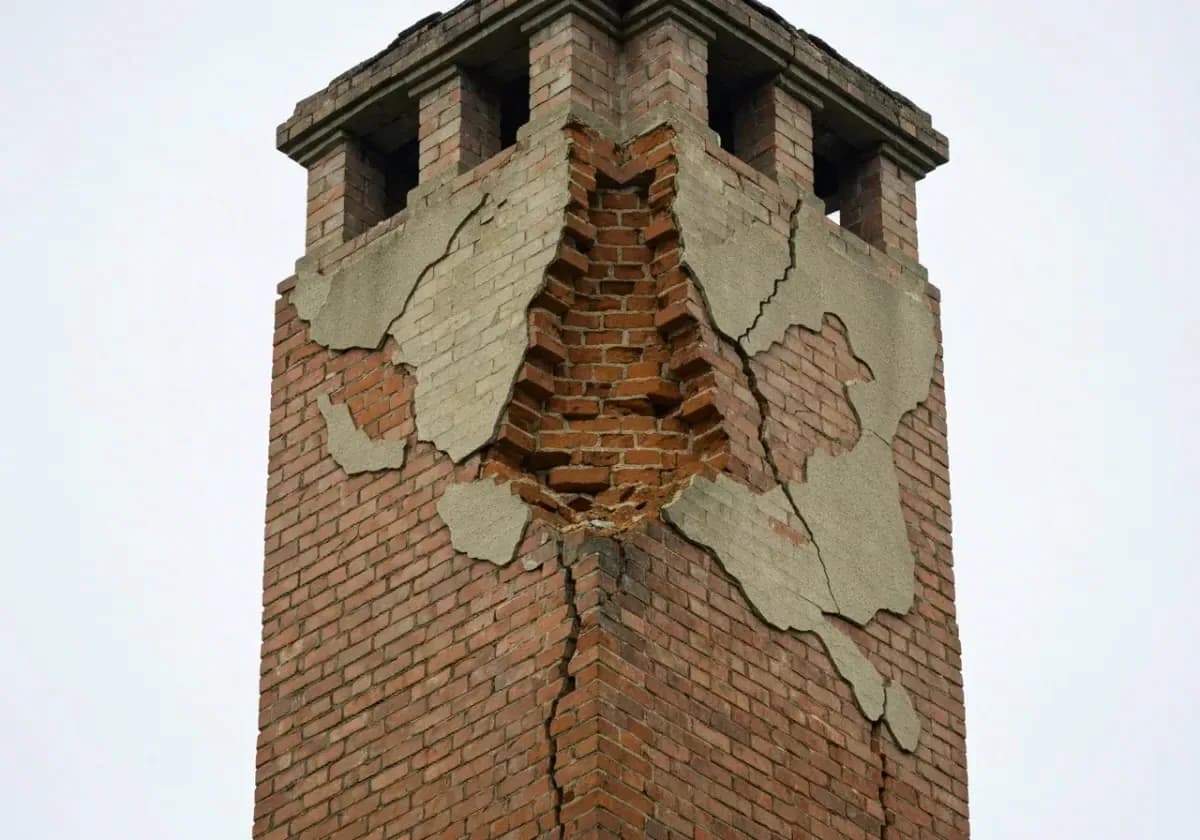 Before
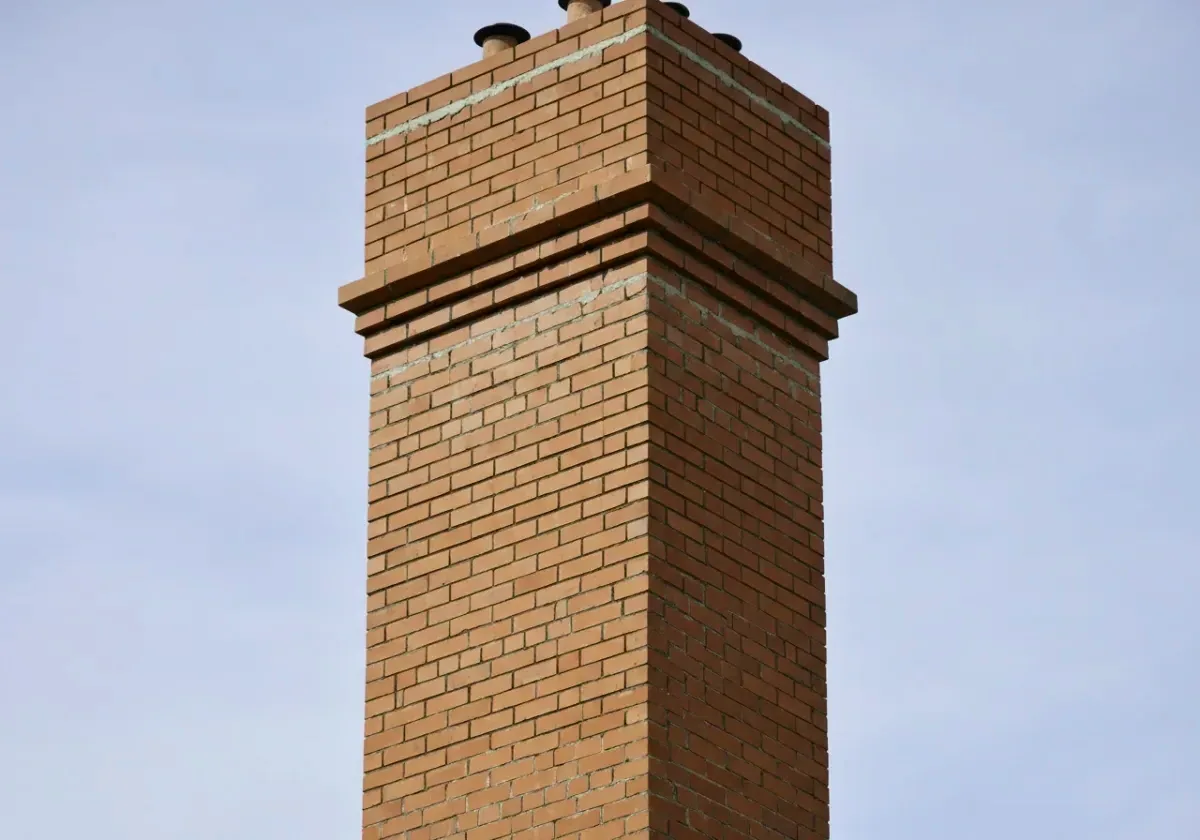 After
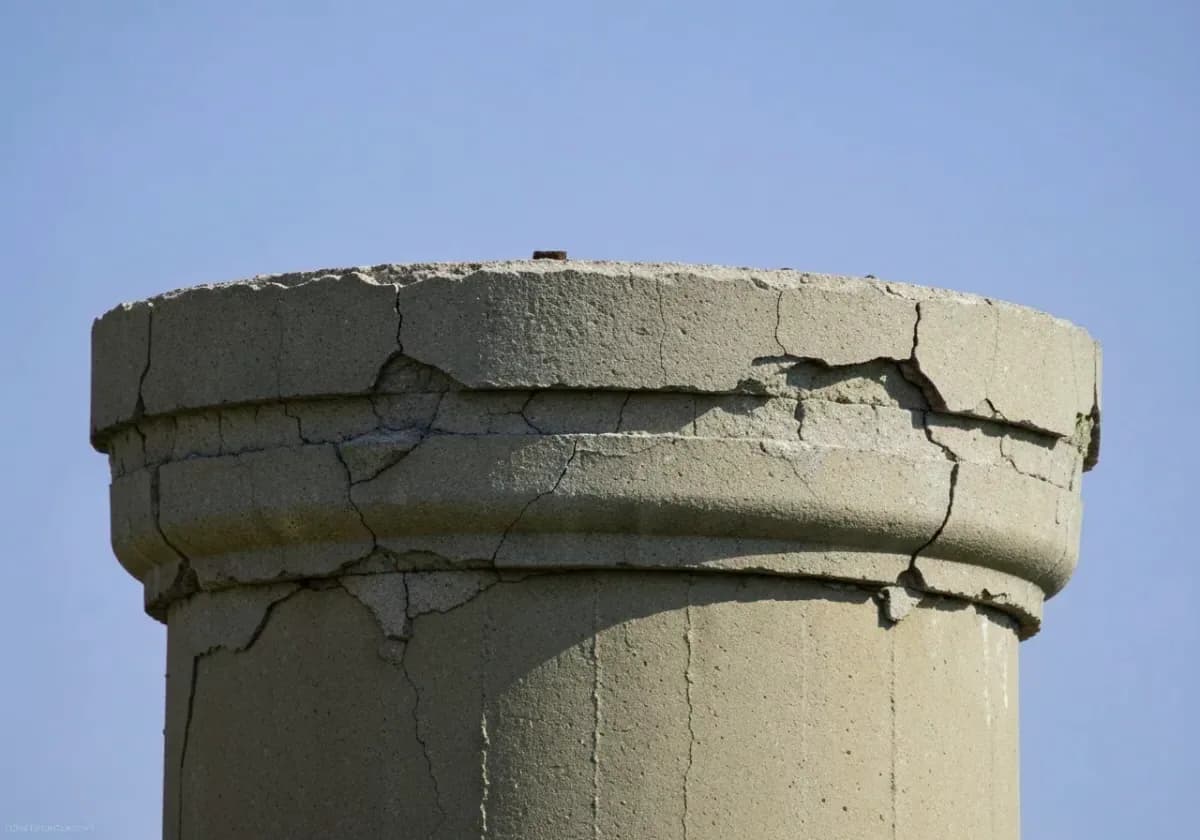 Before
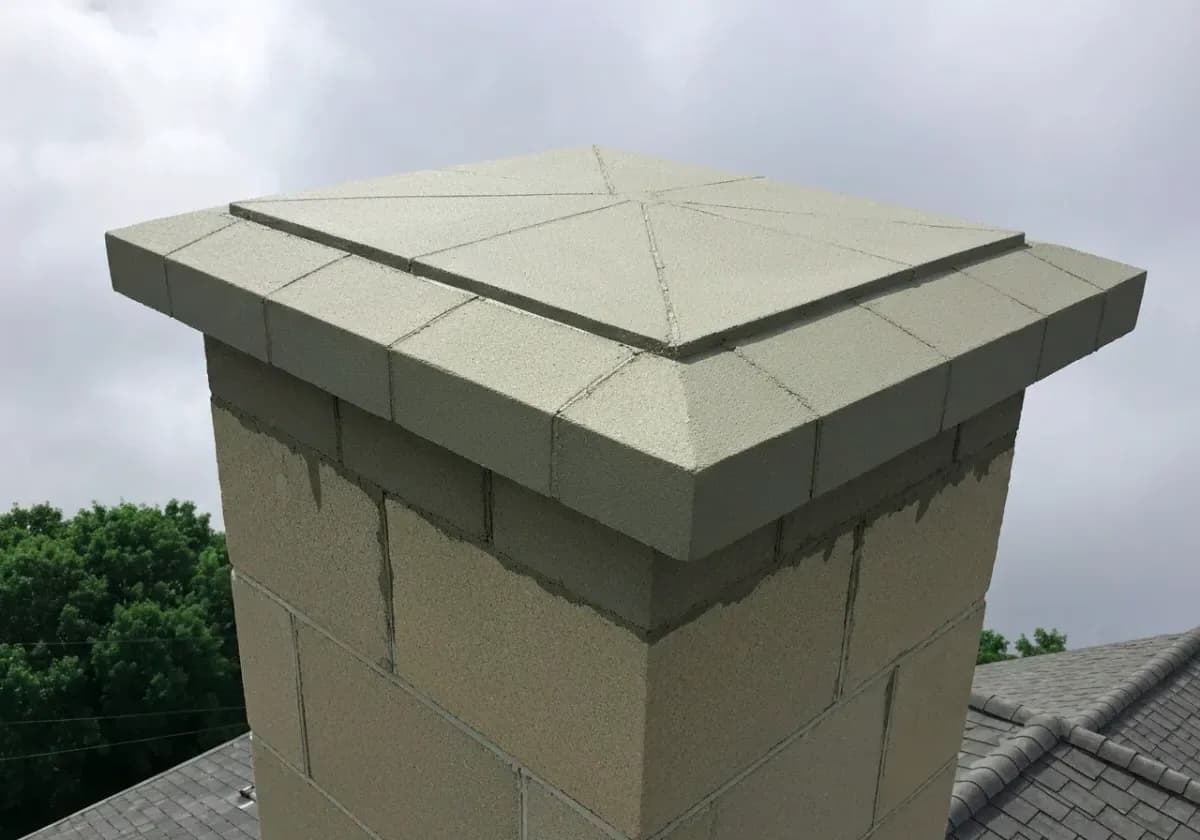 After
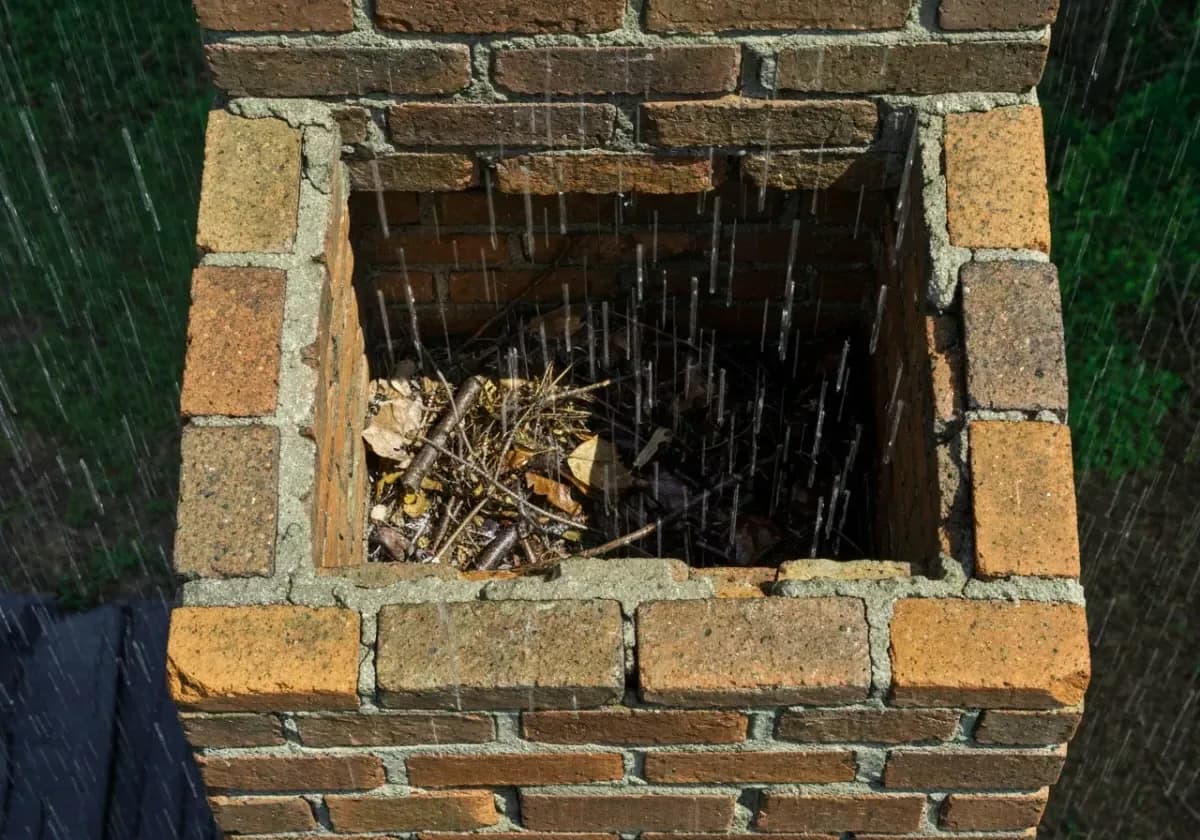 Before
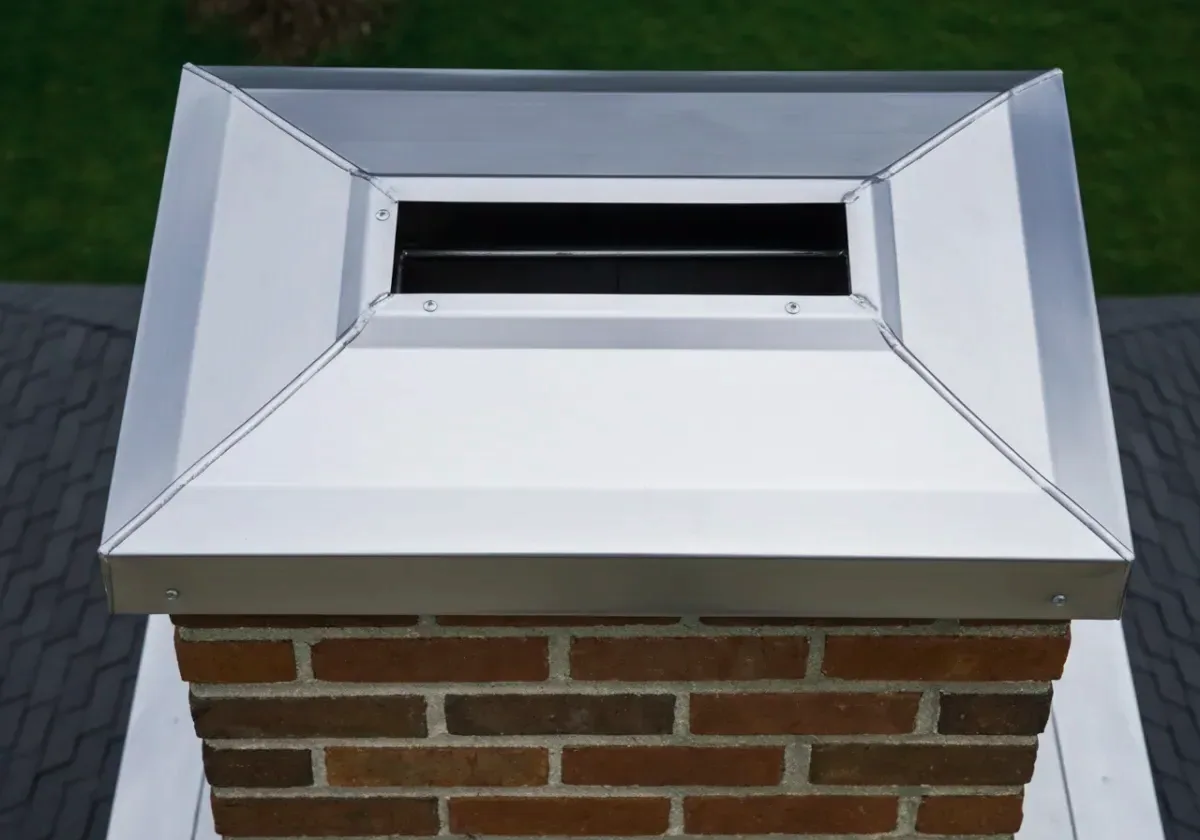 After

Four steps, each one on paper — so you always know what happens next.
Choose a genuine opening on the crew's calendar. Confirmation is immediate.
Liner, crown, cap, flashing and masonry examined in order — each finding photographed.
One document, plain numbers, covering only the work your chimney genuinely needs.
The repair is completed, then handed over with before-and-after photos of every item.
We have found no survey that answers that, and we will not guess. Construction dates in the area run from before 1940 to the present, so either type is possible on any street. The inspection identifies yours.
The yearly check that CSIA cites from NFPA 211 applies everywhere. On exposed high ground we add one habit: a glance at the cap and flashing from the yard after each major windstorm.
$99 plus tax for each chimney. You get a camera scan where needed, photos and a written report. If you go ahead on our quote, the work is billed net of that fee.
Choose a genuine opening on the crew's calendar. We inspect, quote in writing, and hand over a photo record of every repair.