North Seattle, WA
Creosote removal in North Seattle deals with the hard, glazed deposits a brush cannot shift, using a chemical treatment first and mechanical cleaning second.
Our price
From $245
Book an inspection
Book your $99 inspection
$99 plus tax, deducted when you approve the repair
Not sure where to start
Pick what you're seeing — we'll point you to the right fix.
What we do
Sweeping, inspection, relining and masonry — one local crew for the whole chimney.
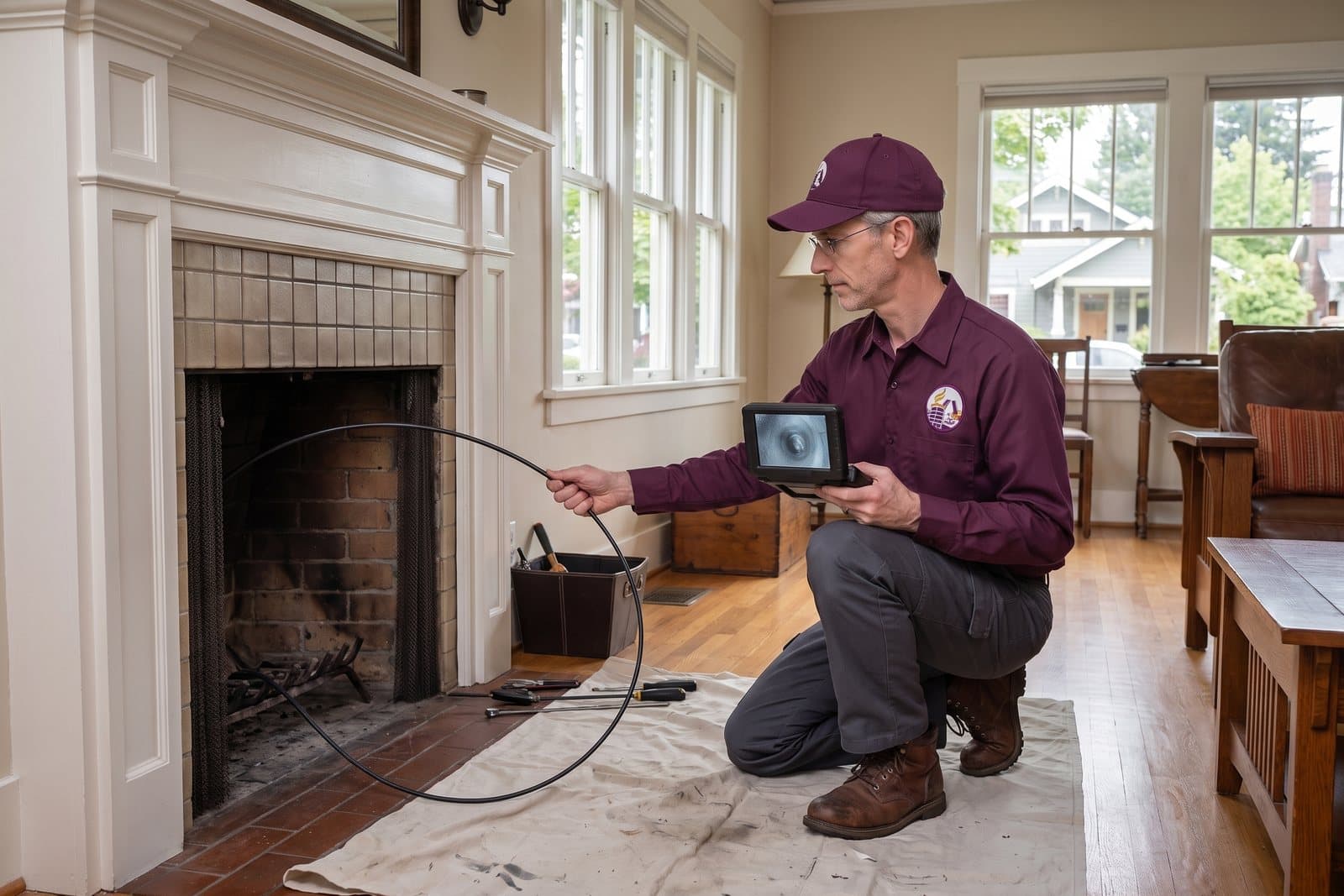
A chimney inspection in North Seattle records the condition of liner, crown, cap, flashing and firebox in photographs, so decisions about the fireplace rest on what was seen.
Learn more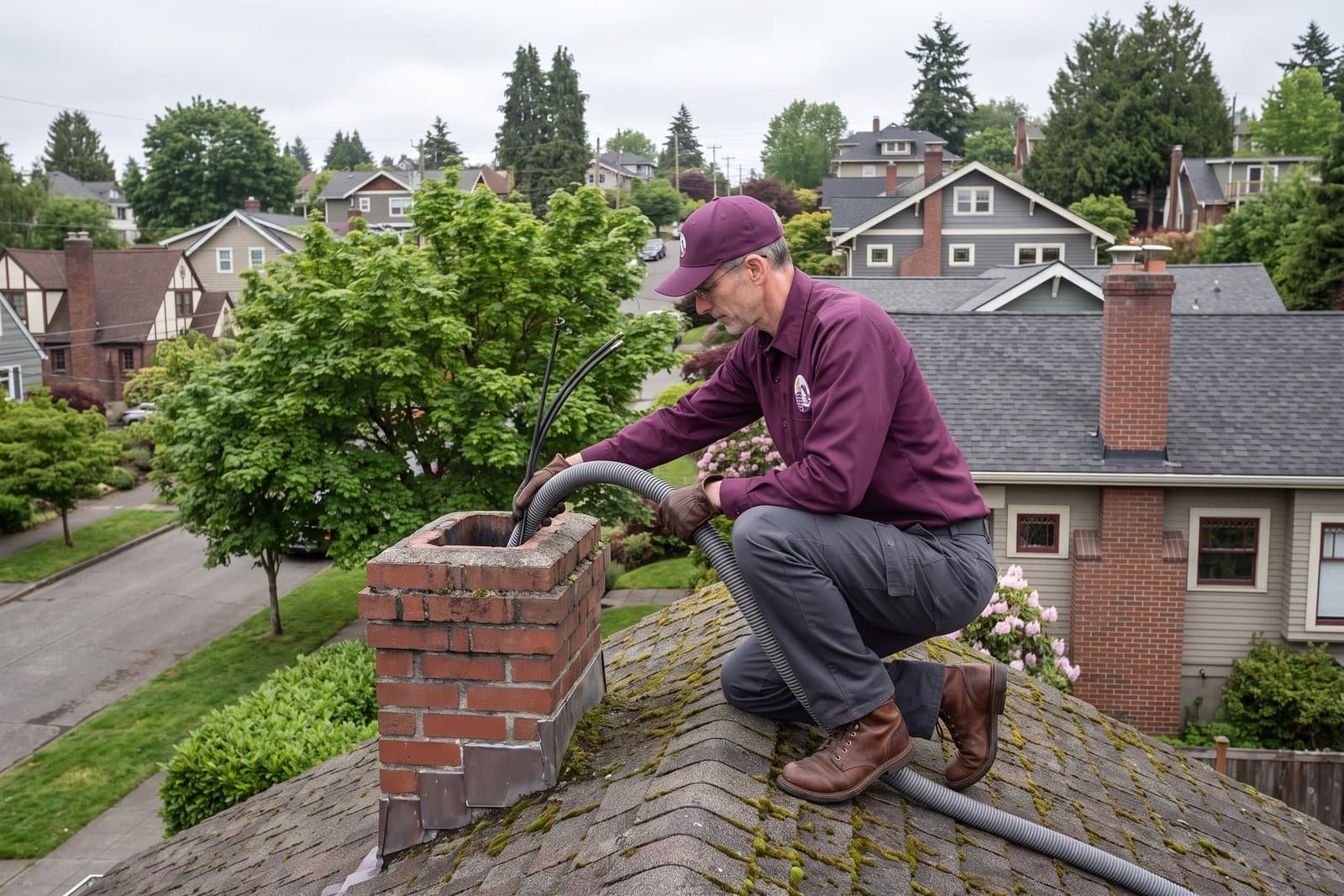
A chimney sweep in North Seattle clears out what a winter of fires deposits in the flue, soot first and creosote with it, and finishes with photos that show the liner as it really is.
Learn more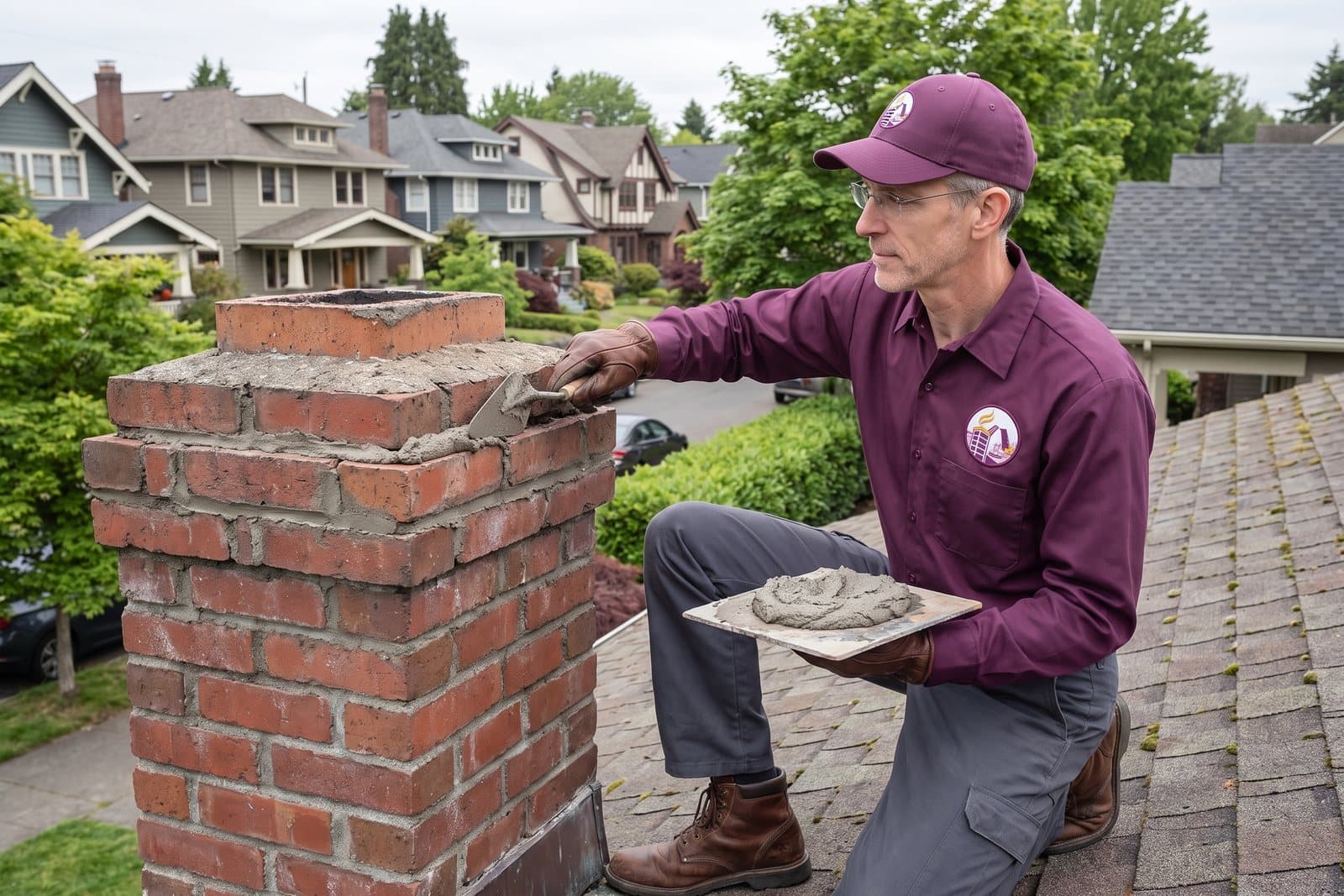
Chimney repair in North Seattle is the structural side of the trade: replacing broken brick, relaying courses that have moved, and rebuilding a stack from the roofline when repair no longer holds.
Learn more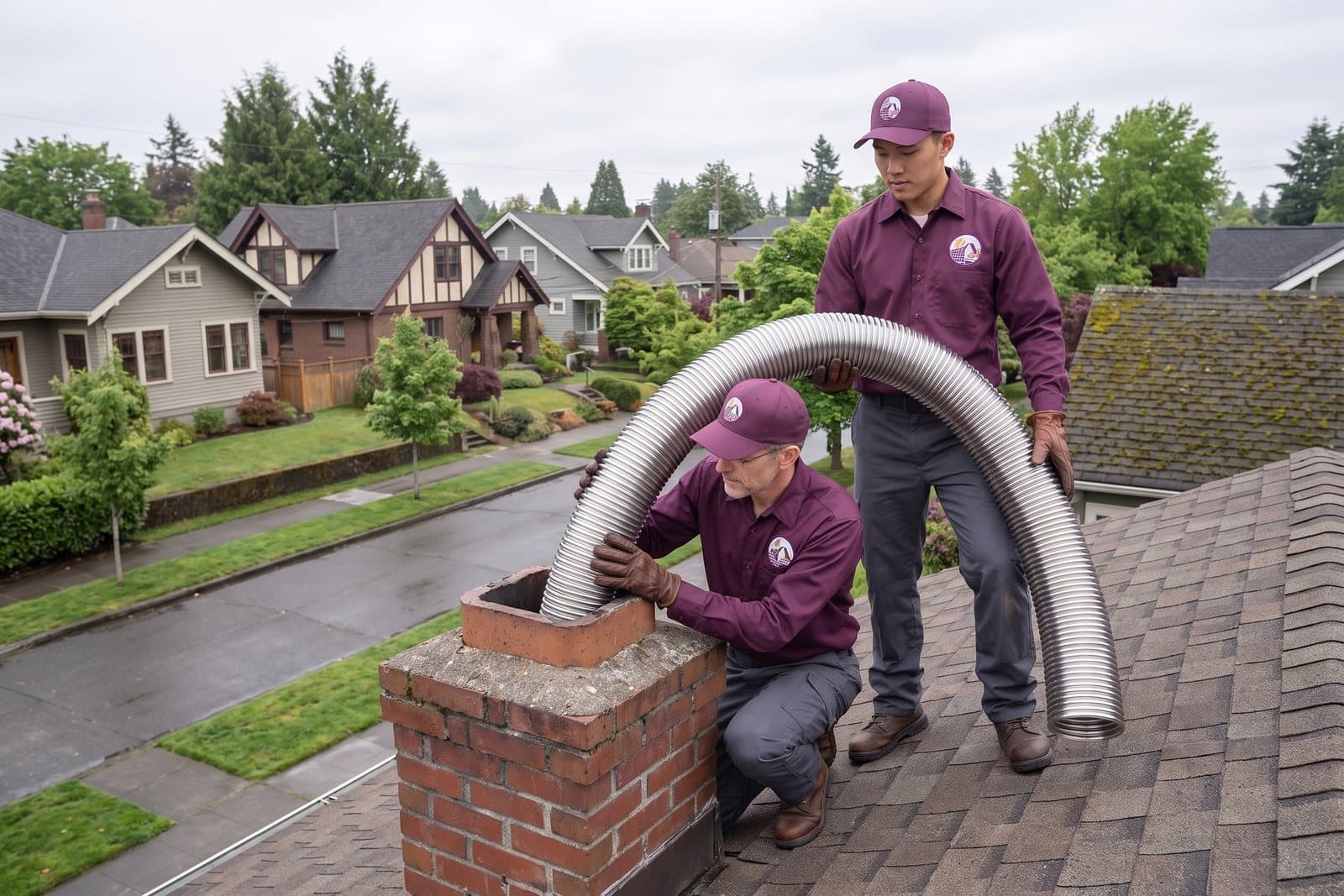
Chimney relining in North Seattle gives a flue with cracked tiles, or one too wide for a new appliance, a continuous stainless steel liner sized to what burns below.
Learn more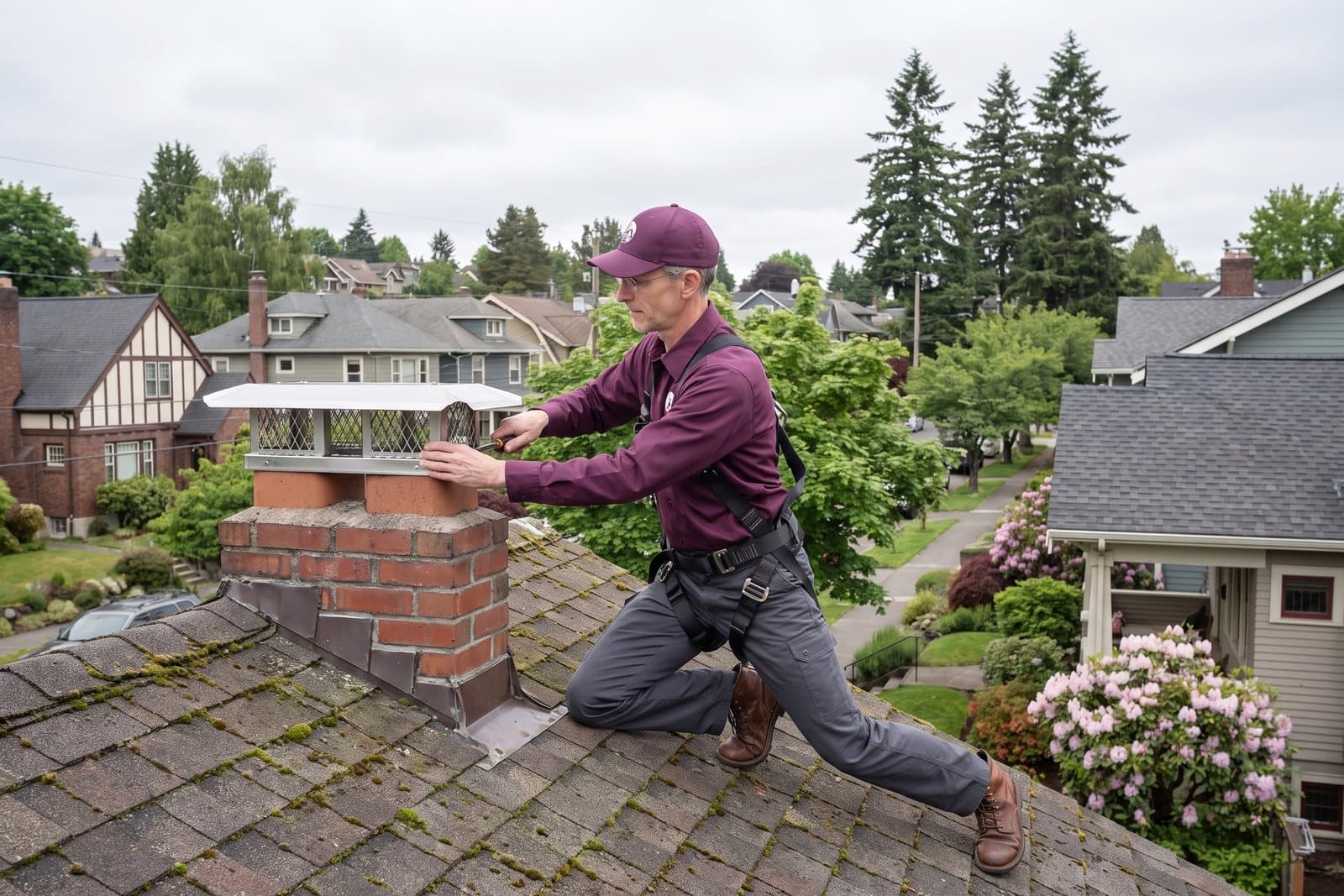
Chimney cap installation in North Seattle puts a screened stainless steel cover on the flue outlet, shutting out rain, leaves, birds and embers.
Learn more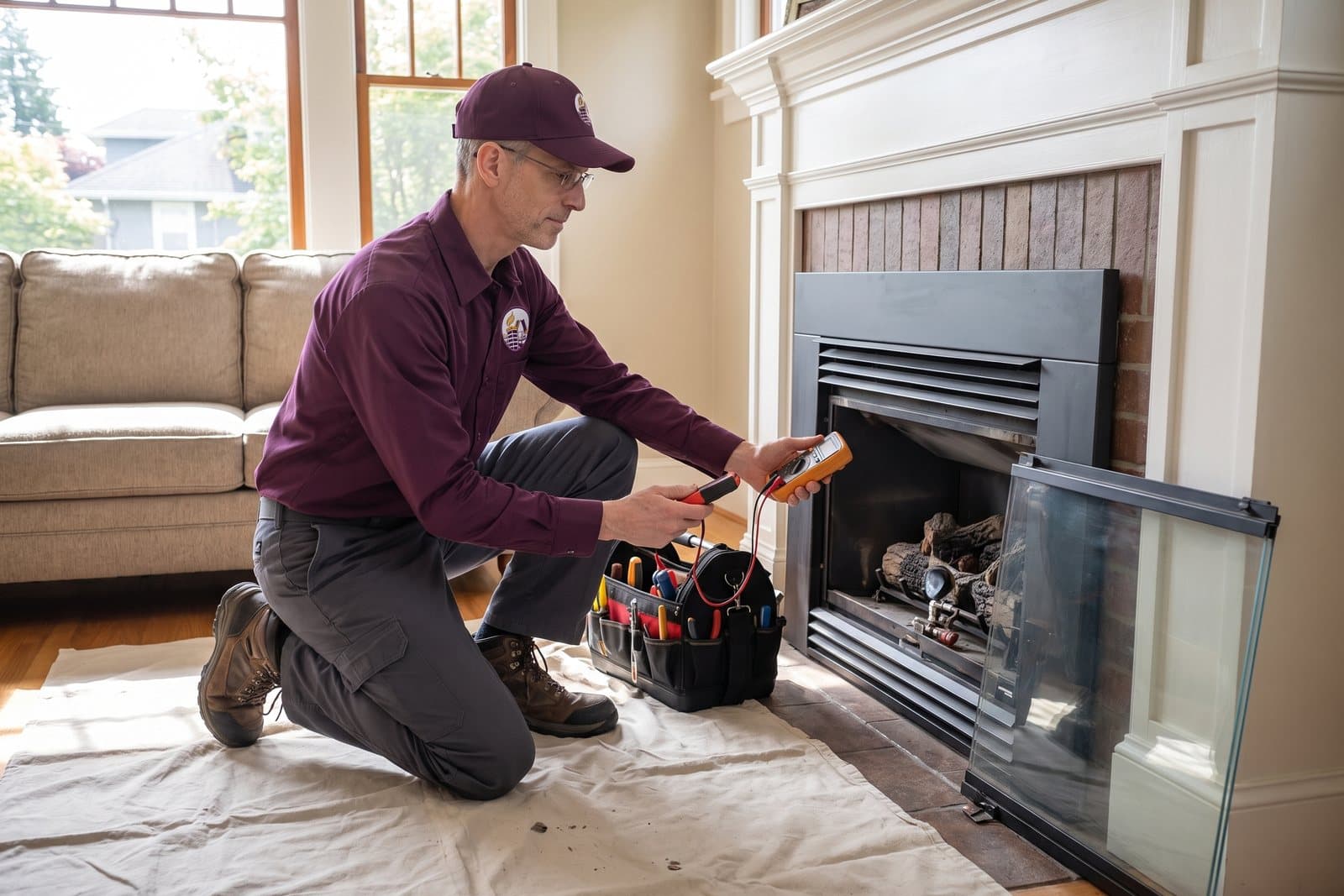
Gas fireplace service in North Seattle covers burner, pilot, glass and vent, each cleaned and tested, so the appliance lights on demand and its exhaust leaves the house.
Learn moreRanges shown for orientation — the exact figure is written up on-site, after the inspection.
Creosote comes in more than one form, and the form decides the method. Here the Chimney Safety Institute of America is precise. Crusty creosote comes off with rotary cleaning, while gummy or glazed creosote needs a chemical treatment that changes its makeup before it will brush out. Glaze is the shiny, tar-like layer that a slow, cool fire leaves on a cold flue. Our camera establishes which kind is present and how much of the flue it covers; then we treat, wait, and remove.
A small number of North Seattle households heat mainly with wood, and their flues work the hardest. The American Community Survey estimates about 130 such households in ZIP area 98103, about 80 in 98125 and about 40 in 98117; for 98115 and for 98107, the Ballard core, its estimate is zero. A stove that runs every day from October into spring builds deposit many times faster than a fireplace lit on weekends, and it is where we most often find glaze.
Glaze is fuel in concentrated form, stuck fast to the liner. It lights at flue temperatures an ordinary fire can reach, and once alight it burns far hotter than the liner was built for. Brushing over it polishes the surface and leaves the fuel in place.
What goes into the firebox decides how fast creosote forms. The Clean Air Agency's rules, backed by WAC 173-433-120, limit legal fuel in a Seattle fireplace or stove to seasoned dry firewood and manufactured logs. Garbage, treated wood and plastics are illegal fuels, as is paper beyond what starts the fire. Wet or unseasoned wood burns cool and smoky, the conditions that produce glaze. In the agency's 2024 data summary, home-heating wood smoke is identified as winter's main source of fine-particle pollution in the Puget Sound region, so a hot, clean fire serves the neighbors too.
How it works
Video shows whether the deposit is powdery, flaky or glazed, and where it sits.
The product is applied and left to work until the glaze loosens its hold.
Rotary tools take off the altered layer; heavy glaze may need another round.
With the coating gone, the liner behind it can be judged for the first time in years.
Licensed& insured Washington chimney contractor
10 neighborhoodsNorth Seattle, from Ballard to Wedgwood
$99 plus taxInspection, credited toward an approved quote
Every jobDocumented with before-and-after photos
If any of these sound familiar, book the $99 plus tax inspection — credited toward the work if you approve the quote:
By town
The 10 North Seattle communities we serve. Pick yours for local scheduling and the chimney issues we see there.
Before and after
Illustrations of what each repair changes on a typical chimney — not photos of a specific job.
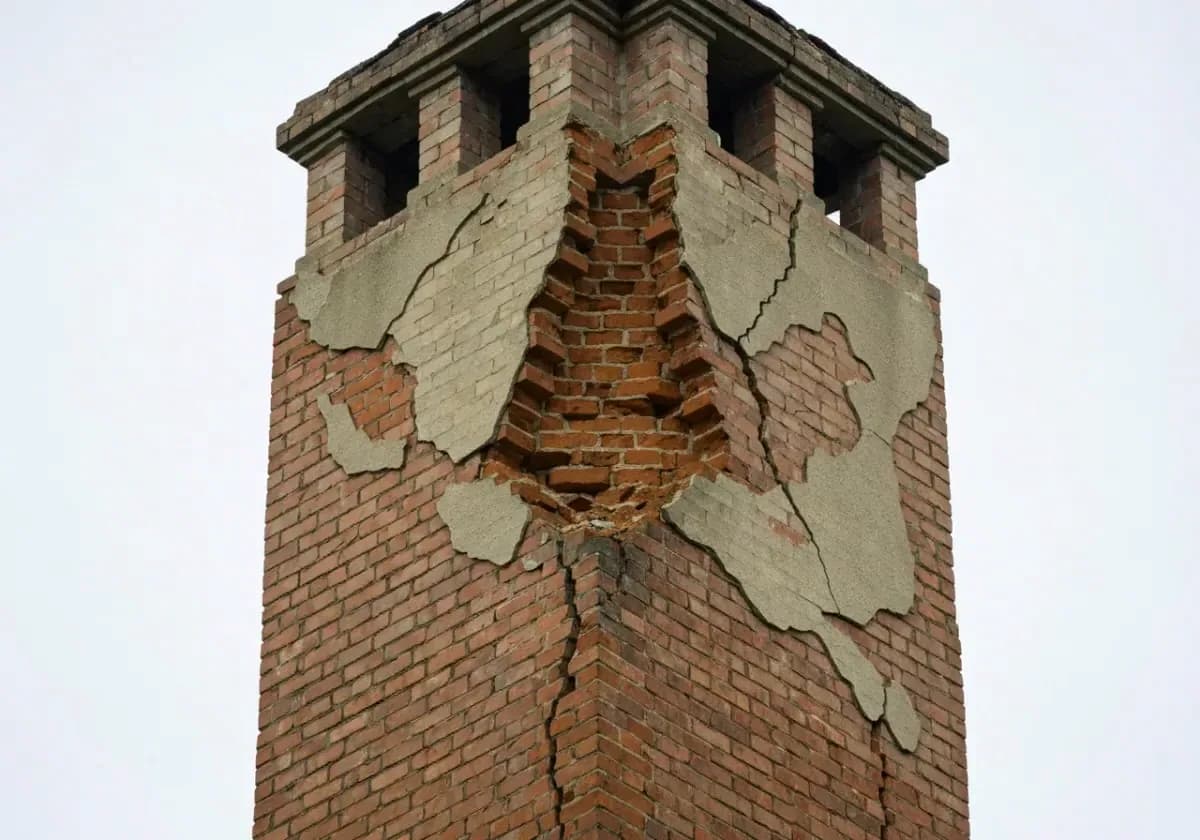 Before
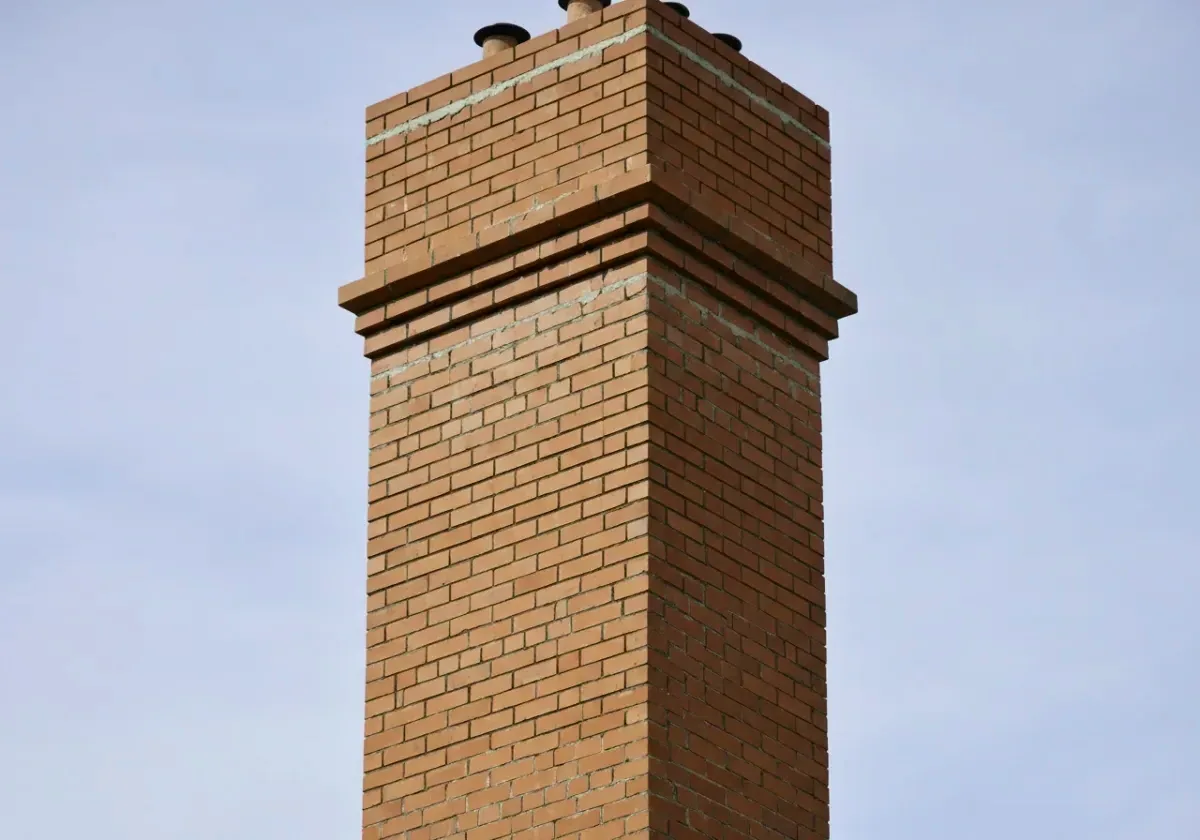 After
After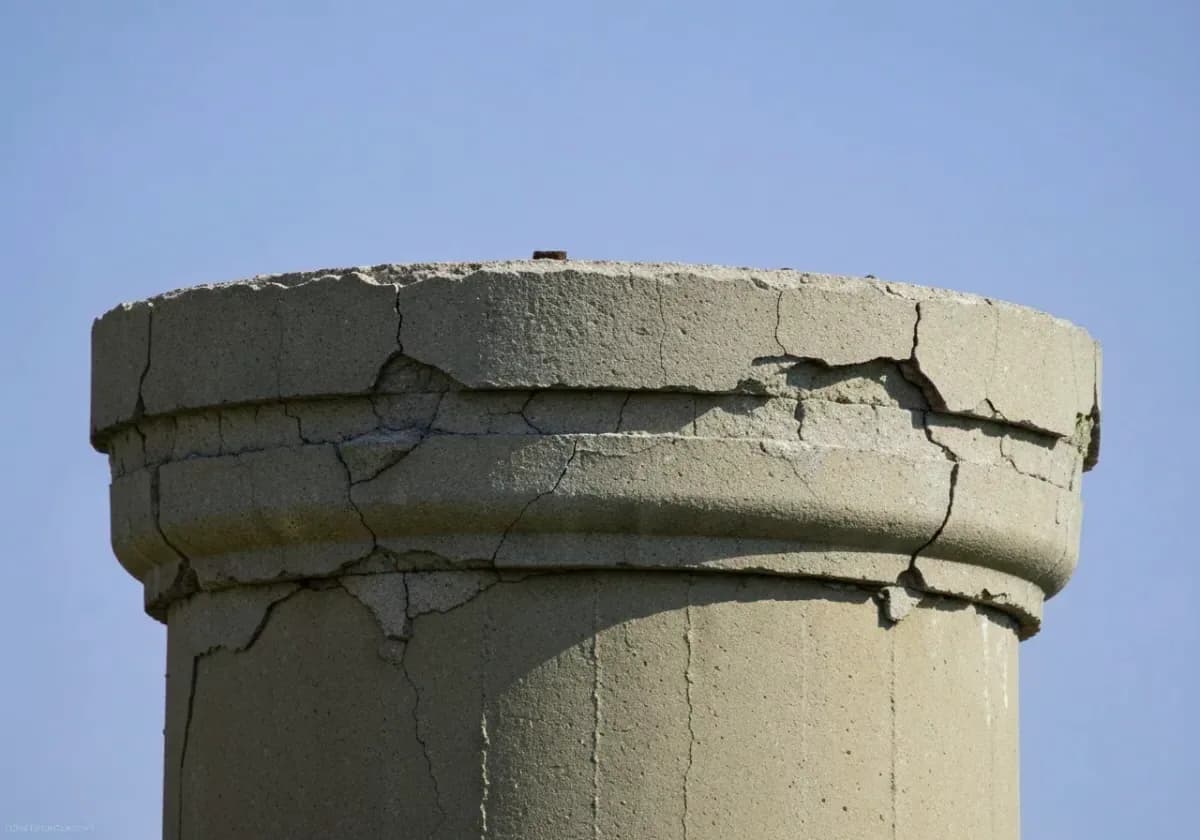 Before
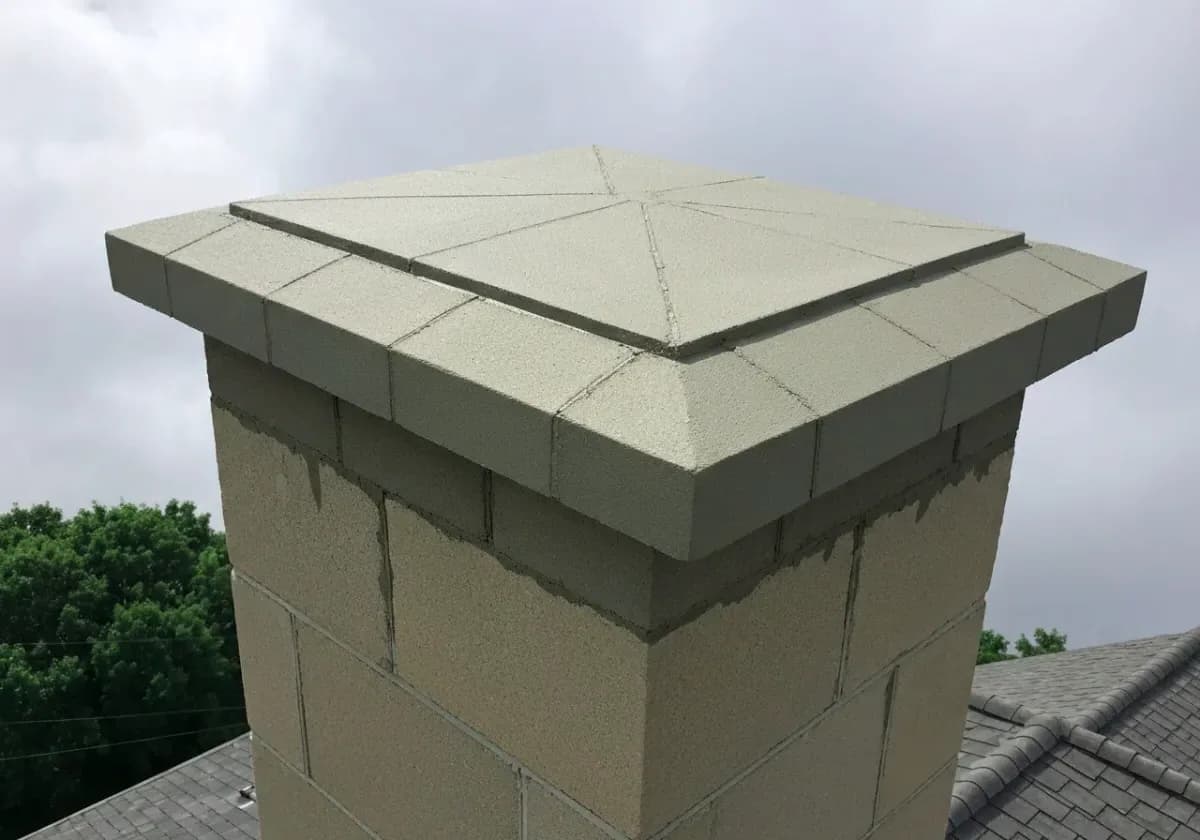 After
After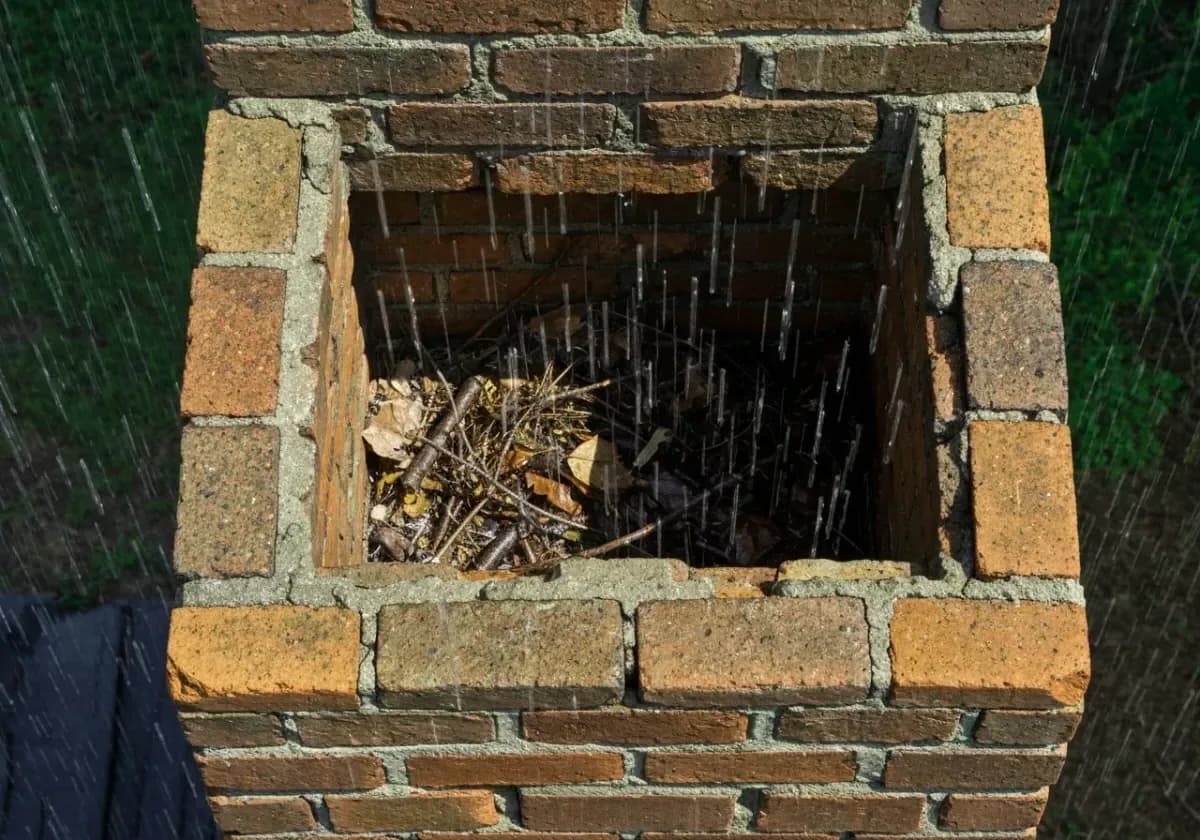 Before
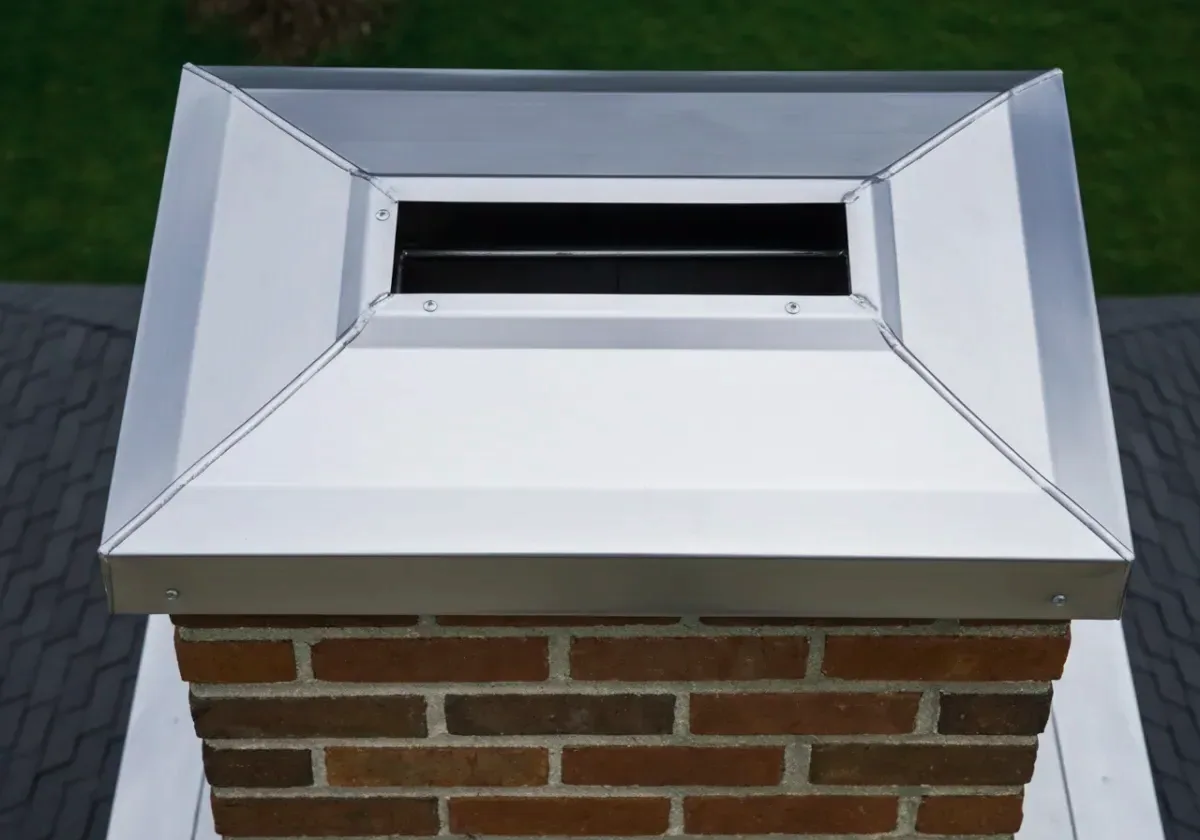 After
After
Four steps, each one on paper — so you always know what happens next.
Choose a genuine opening on the crew's calendar. Confirmation is immediate.
Liner, crown, cap, flashing and masonry examined in order — each finding photographed.
One document, plain numbers, covering only the work your chimney genuinely needs.
The repair is completed, then handed over with before-and-after photos of every item.
Before you let anyone in
Every fact below is one you can check yourself before we ever set foot on your roof.
The on-site inspection is $99 plus tax, and it is credited toward the work when you approve the written quote. Booking online asks for no card.
You get the price in writing, for the work your chimney actually needs, and nothing starts until you have approved it.
Each item we inspect or repair is photographed before and after, so the condition of your chimney is on record.
Call (206) 429-6308 — a local North Seattle number, the same one on every page of this site.
Licensed& insured Washington chimney contractor
10 neighborhoodsNorth Seattle, from Ballard to Wedgwood
$99 plus taxInspection, credited toward an approved quote
Every jobDocumented with before-and-after photos
Serving ten North Seattle neighborhoods
Creosote removal is quoted from $245. The price rises with the amount of glaze and the number of treatments it takes to clear.
Because glaze is bonded to the liner and harder than the brush. CSIA's guidance is that glazed creosote has to be chemically altered before it can be brushed out. Forcing it mechanically risks damaging the tile.
Burn seasoned, dry wood. Keep the air supply open so the fire stays hot. Do not damp a stove down to smolder overnight. And have the flue checked every year so soot is removed before it turns to glaze.
Some are loud, with a roar and sparks at the top. Others are slow and go unnoticed. Afterward the signs include puffed or honeycombed creosote, cracked tiles and a warped cap. A camera scan settles it.
See creosote removal pricing in detailMore chimney questions
A chimney sweep in North Seattle clears out what a winter of fires deposits in the flue, soot first and creosote with it, and finishes with photos that show the liner as it really is.
Learn moreA chimney inspection in North Seattle records the condition of liner, crown, cap, flashing and firebox in photographs, so decisions about the fireplace rest on what was seen.
Learn moreChimney relining in North Seattle gives a flue with cracked tiles, or one too wide for a new appliance, a continuous stainless steel liner sized to what burns below.
Learn more| Service | Price in North Seattle | What that covers |
|---|---|---|
| Creosote Removal | From $245 | Priced by creosote stage — glazed stage 3 is the heavy end |
| Chimney Sweep | $209–$459 | Full flue swept, Level 1 inspection included |
| Chimney Inspection | $99 plus tax | Level 1 visual; Level 2 adds a full camera scan |
| Chimney Relining | From $1,900 | Full-length stainless liner, sized to the appliance |
Ranges are what these jobs are quoted at in North Seattle. The exact figure is set on site after a $99 inspection (credited toward the job if you go ahead), and you approve it before any work starts.
Licensed local crews, a $99 on-site inspection credited toward repairs, and a written quote before any work. Book a real open slot on our calendar.