Phinney Ridge, King County
Removing creosote from a Phinney Ridge flue costs $245 and up. The starting price applies to a heavy but still brushable deposit in a flue of ordinary height. Glazed creosote, the hard shiny kind, costs more because it cannot simply be brushed: it has to be treated chemically, sometimes over more than one visit, before it will come off the tile. The camera tells us which kind you have, and you hear the price before treatment begins.
Typical investment
From $245
Book an inspection
Book your $99 inspection
$99 plus tax, deducted when you approve the repair
Not sure where to start
Pick what you're seeing at your Phinney Ridge home — we'll point you to the right fix.
What we do
The same crew, the same written quote — for Phinney Ridge homes.
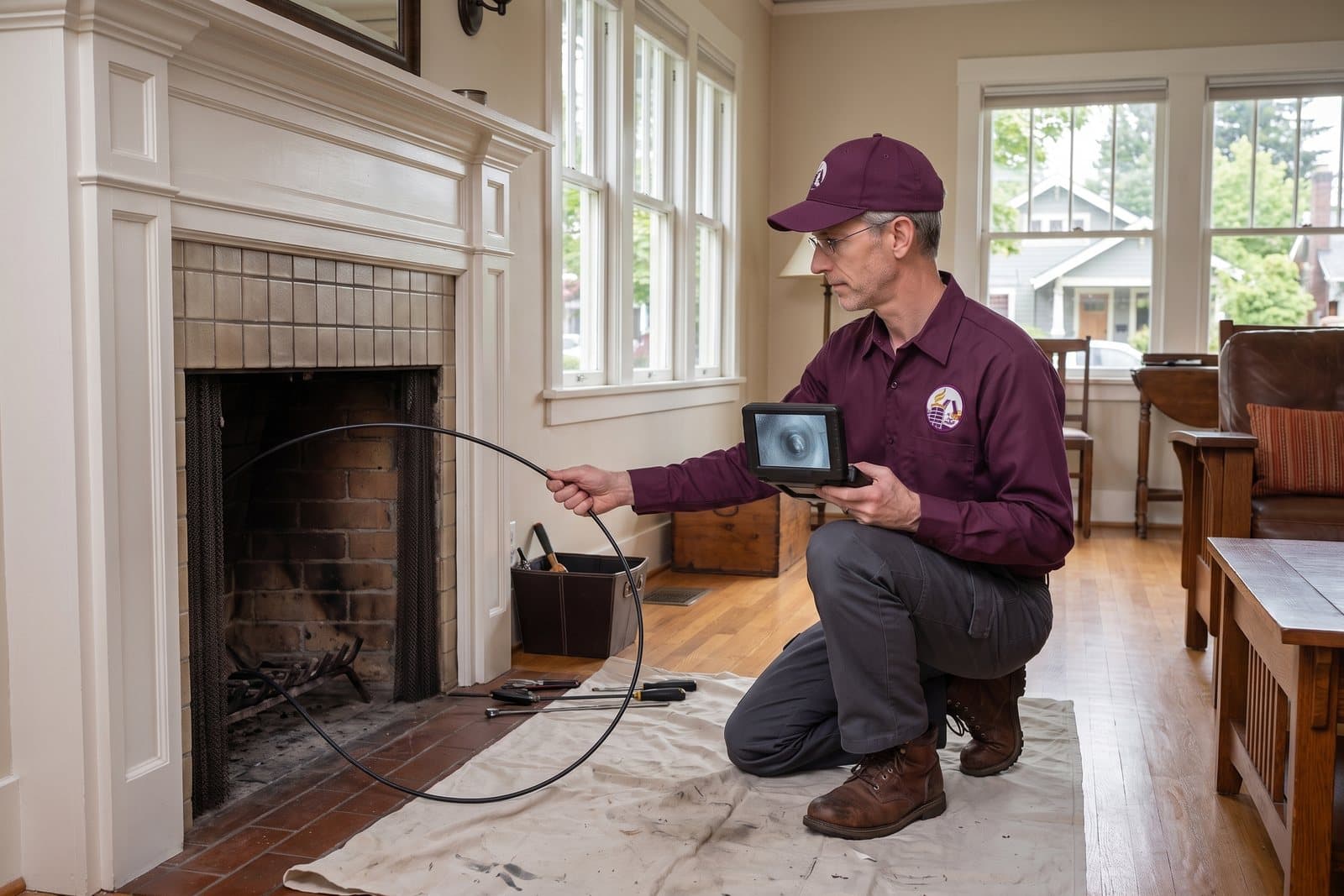
A Level 1 review of everything reachable, raised to a Level 2 camera scan when a question stays open
Learn more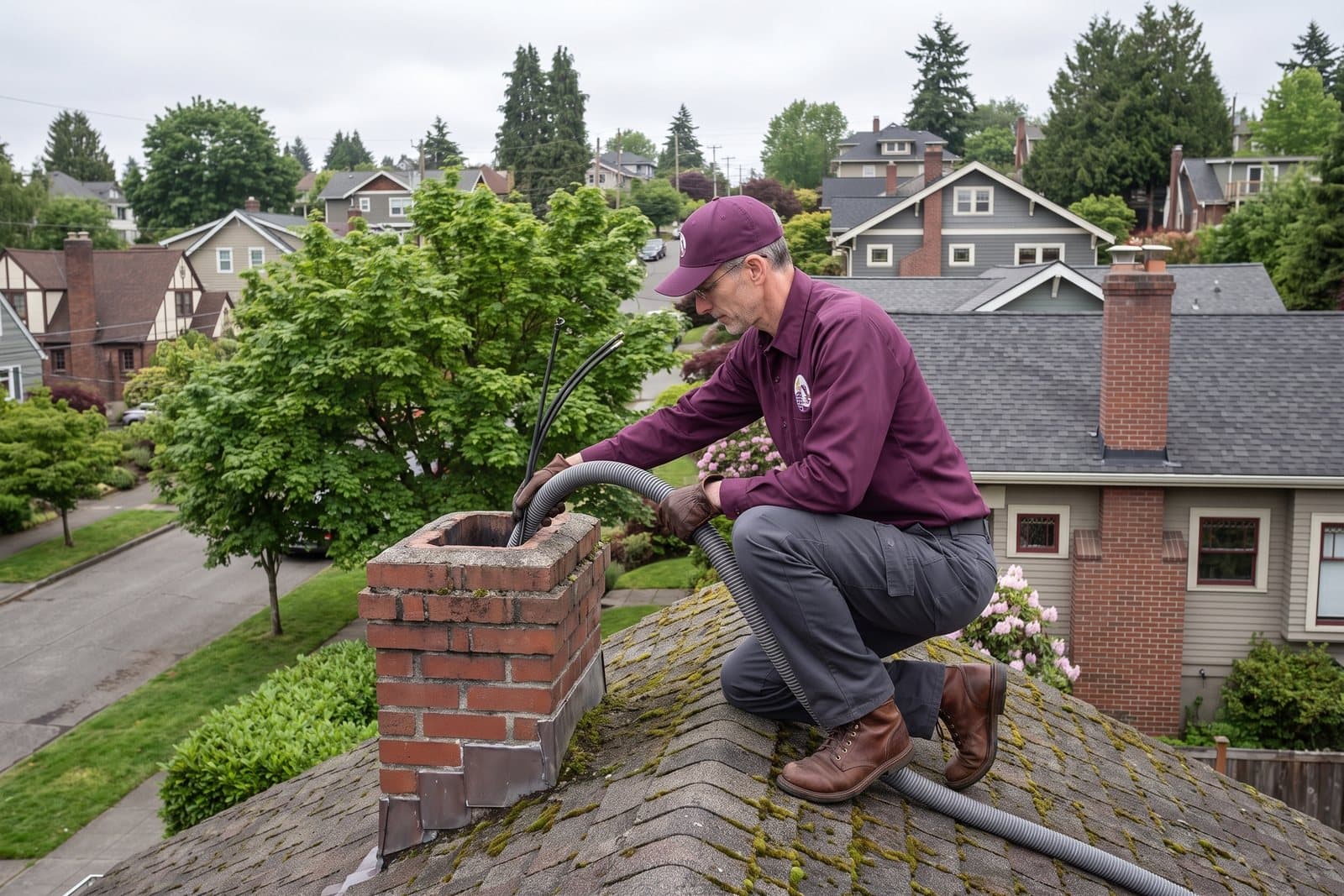
The whole flue brushed, using heads picked for the liner's size and shape
Learn more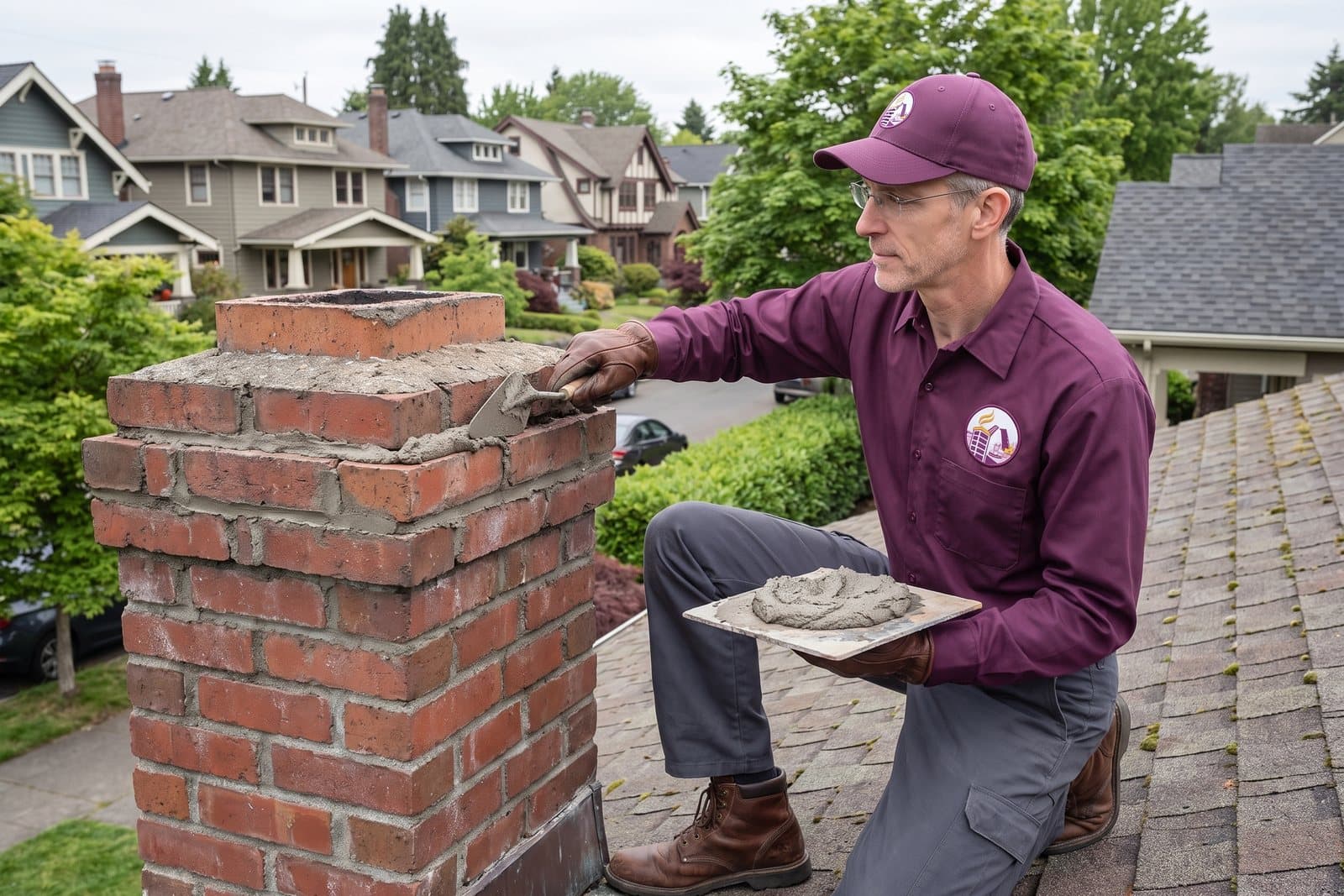
A photo assessment that distinguishes surface wear from structural damage
Learn more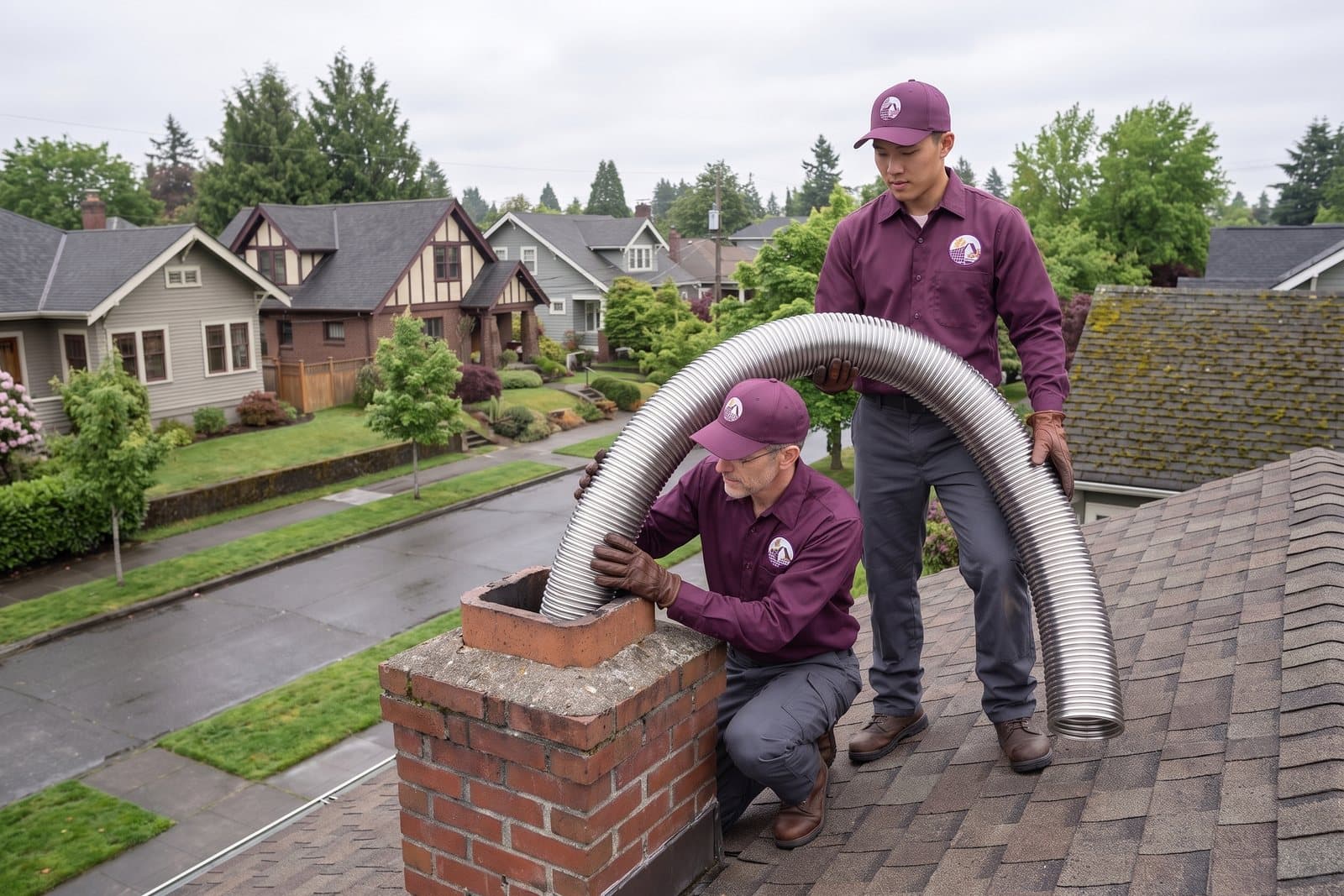
Camera survey and measurements taken before any liner is chosen
Learn more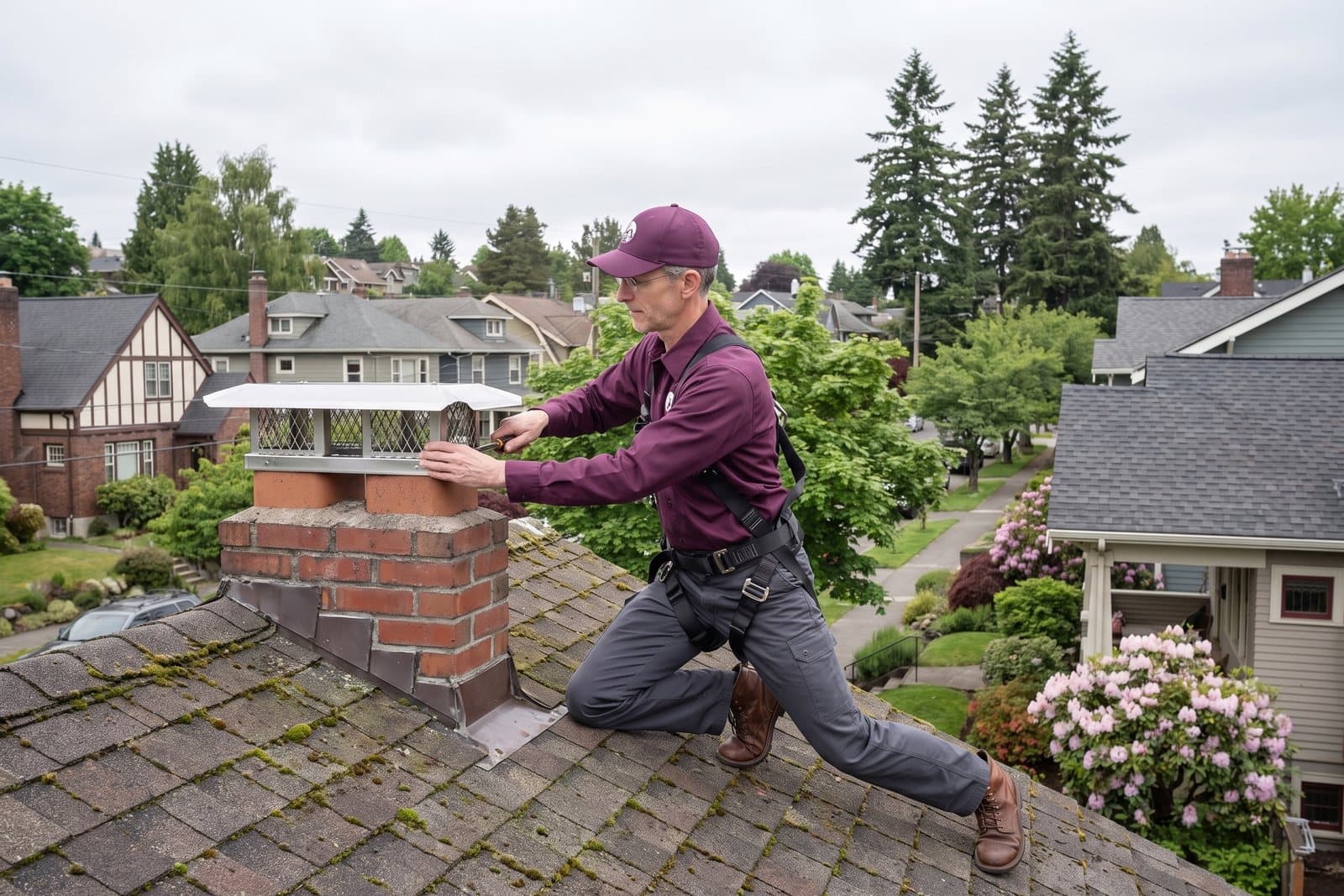
Measurement of each flue, or of the crown when a single cap will span several
Learn more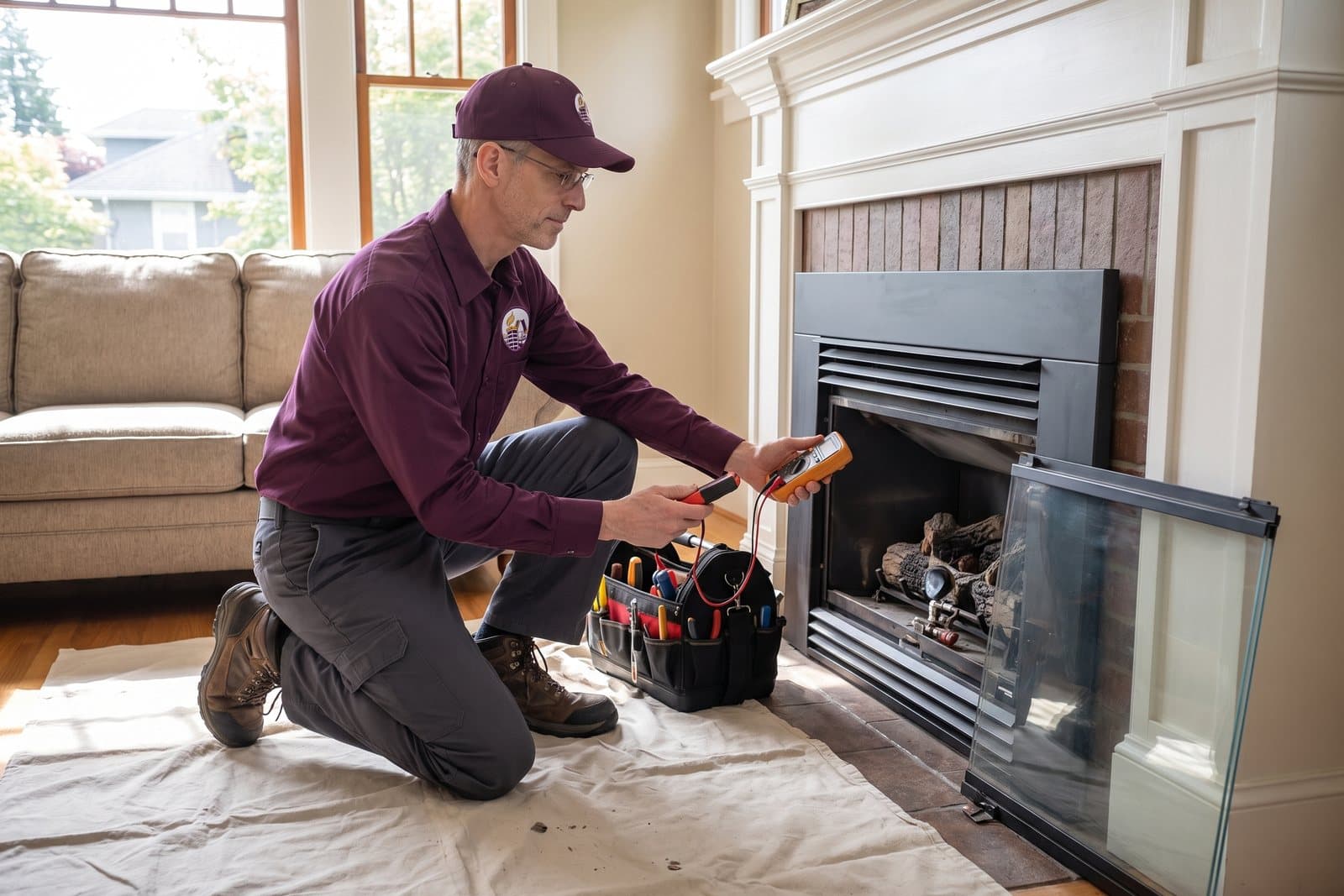
Glass removed, cleaned and checked for a sound gasket
Learn moreRanges shown for orientation — the exact figure is written up on-site, after the inspection.
Wood is seldom the main fuel on the ridge. Citywide, the 2020 to 2024 census estimates turn up just 727 Seattle households, 0.2%, naming wood as their primary heat, and the share is no higher than 0.5% in any North Seattle ZIP area. Fireplaces here are for evenings, and that pattern has a side effect: short, cool fires in a big masonry flue never warm it through. Smoke meets cold tile and condenses. A fireplace lit twenty times a winter in that manner can build a worse deposit than a stove burned hot every day.
Every creosote removal we do in Phinney Ridge includes:
Smoke coming back into the room, or a smell that won't go? Book the inspection first.
Book nowWhat goes on the fire counts as much as how often. Two fuels are legal in a Seattle hearth or stove under Puget Sound Clean Air Agency rules: seasoned firewood, properly dry, and logs of the manufactured kind. Household garbage, plastics and treated lumber are off limits, and so is paper past the few sheets that start a fire. Wet or unseasoned wood is the classic creosote maker, because so much of its heat goes into boiling off water that the smoke leaves the firebox cool. Outside burn bans the agency also holds chimney smoke to 20% opacity, measured across six consecutive minutes in any hour; a flue that smokes heavily is usually a flue that is coating itself.
Creosote is condensed smoke, and condensation depends on how cold the flue is. WeatherSpark's Seattle averages put December highs at 47°F and lows at 38°F, and describe a January in which seven hours in ten are overcast or nearly so (71%). A masonry chimney on an outside wall sits at roughly that temperature until a fire has burned long enough to heat it. No separate readings exist for the ridge.
Add water and the deposit worsens. Rain blown into an uncapped flue soaks the creosote already there, and the mixture is acidic enough to attack mortar joints between tiles. Seattle's emergency management office points out that wind accelerates over ridges, so an open flue on high ground takes in more than a sheltered one. Removal deals with what has built up. A cap, dry wood and hotter, shorter-smoldering fires are what keep it from returning at the same rate.
The camera shows whether the creosote is sooty, crusted or glazed, and how far up it extends.
Loose and crusted material is taken out with rotary equipment under vacuum.
A product is applied that alters the hardened layer so it can be removed. It needs time to act, sometimes days.
The treated deposit is brushed out, and the camera goes back up to check the tile underneath.
What this work is quoted at for Phinney Ridge homes — the exact figure comes from the $99 on-site inspection, credited toward the work.
| Service | Price in Phinney Ridge | What that covers |
|---|---|---|
| Creosote Removal | From $245 | Priced by creosote stage — glazed stage 3 is the heavy end |
| Chimney Sweep | $209–$459 | Full flue swept, Level 1 inspection included |
| Chimney Inspection | $99 plus tax | Level 1 visual; Level 2 adds a full camera scan |
| Chimney Relining | From $1,900 | Full-length stainless liner, sized to the appliance |
| Chimney Repair | From $425 | Masonry repair — brick and mortar, scoped after diagnosis |
Ranges are what these jobs are quoted at in Phinney Ridge. The exact figure is set on site after a $99 inspection (credited toward the job if you go ahead), and you approve it before any work starts.
Phinney Ridge is a ridge-top neighborhood between Aurora Avenue N and 8th Avenue NW, named for Guy Phinney, with houses that followed the Phinney Avenue streetcar north between 1906 and 1909.
Phinney RidgeKing County, WA · 47.679, -122.355
Before and after
Illustrations of what each repair changes on a typical chimney — not photos of a specific job.
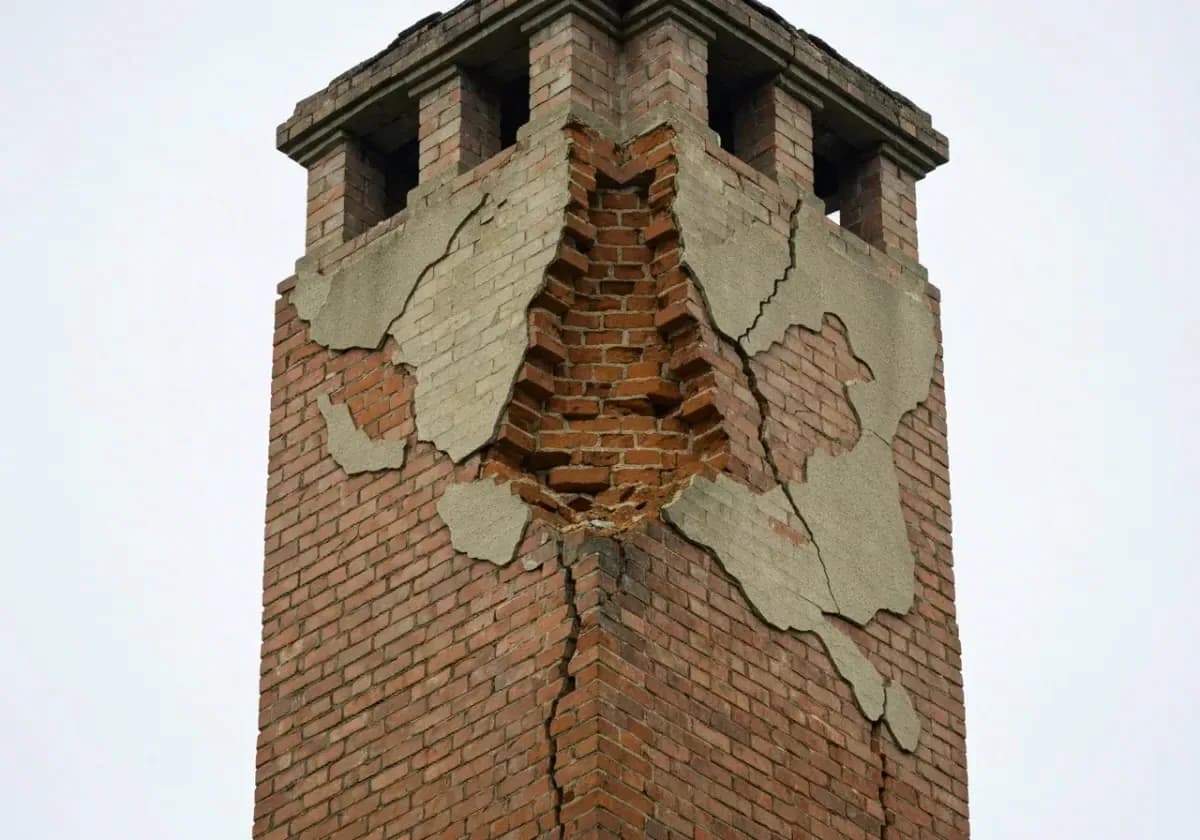 Before
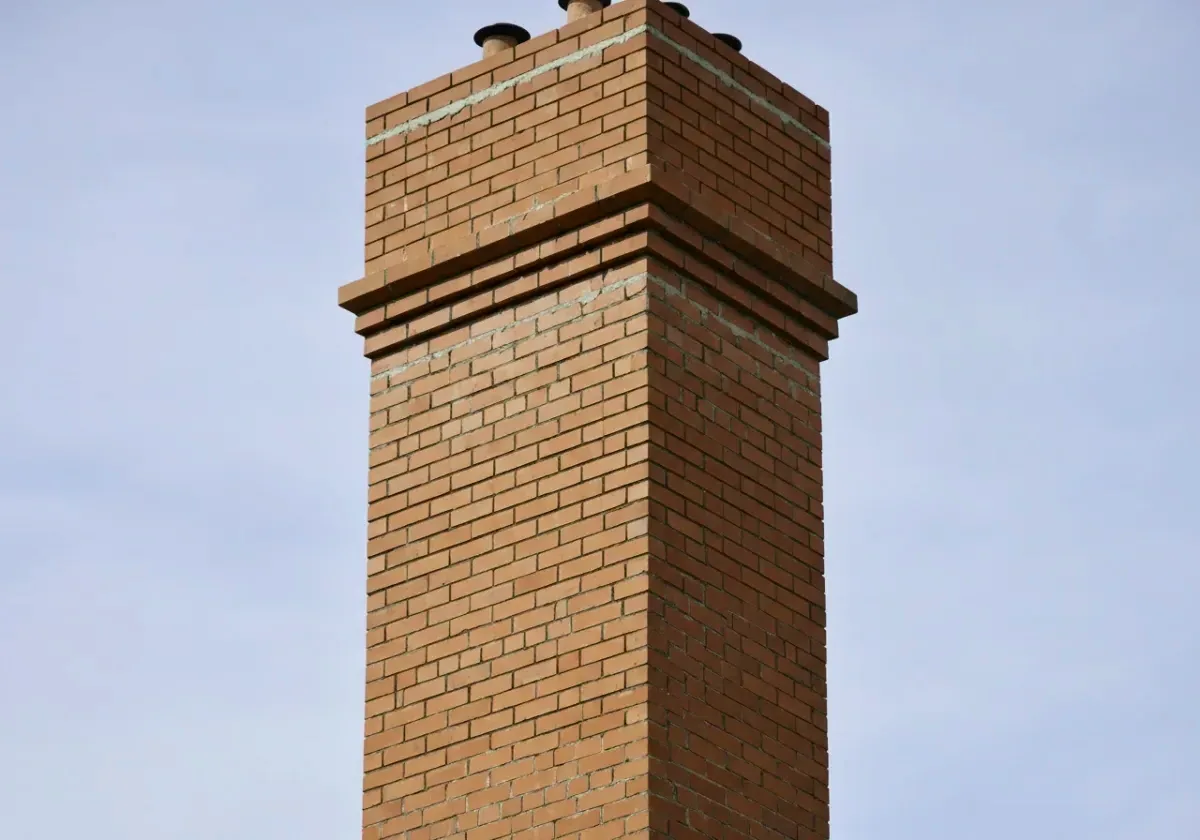 After
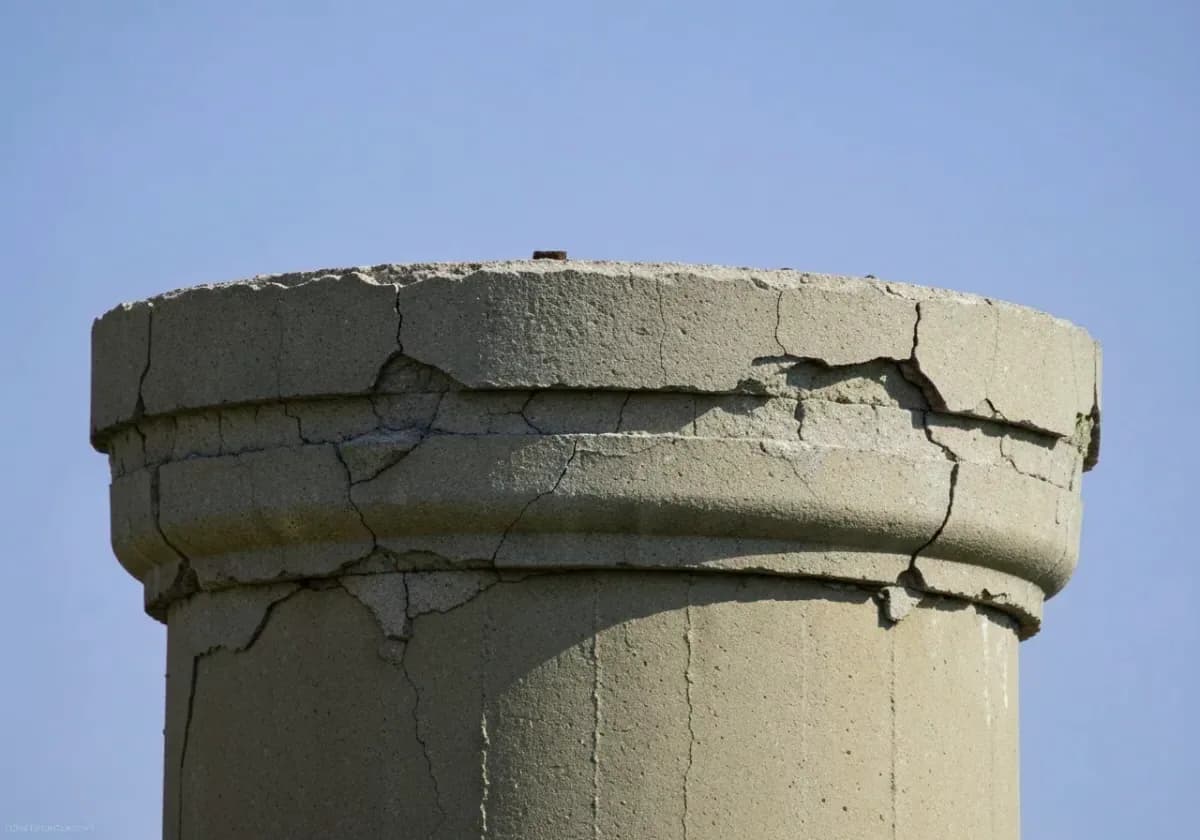 Before
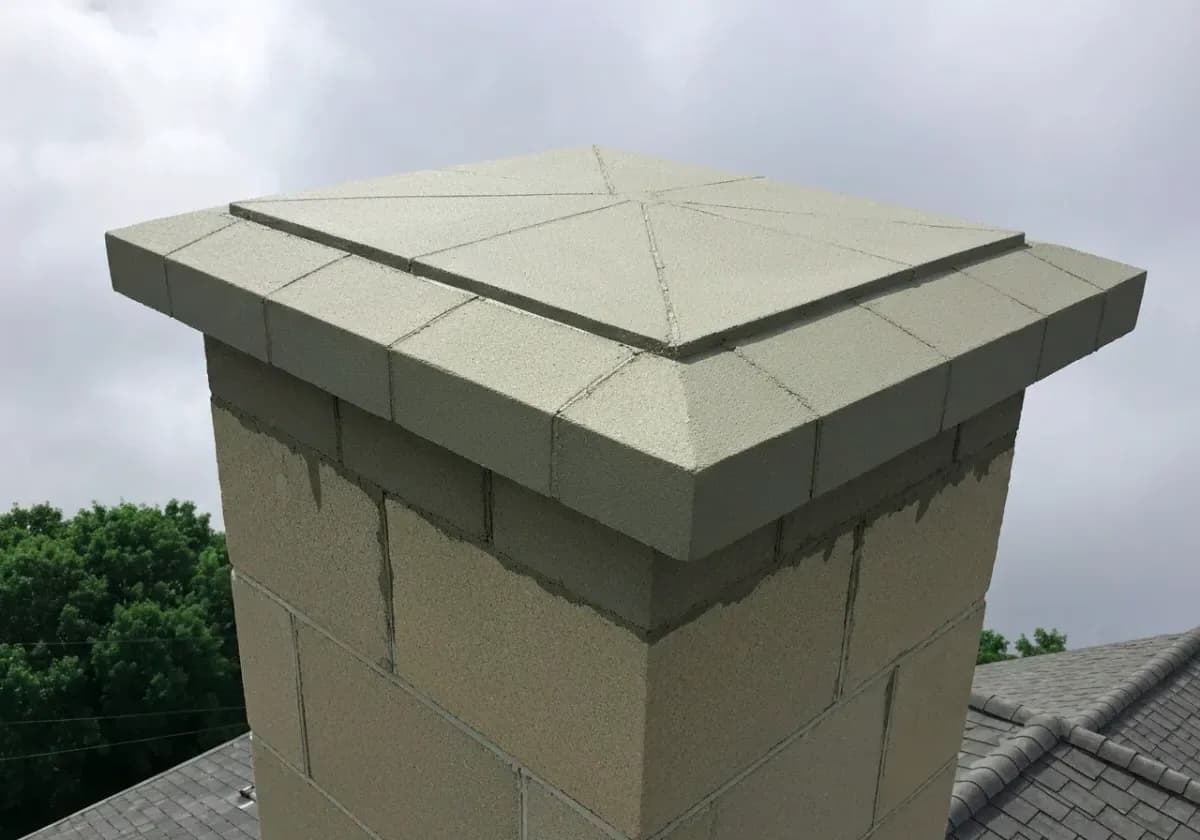 After
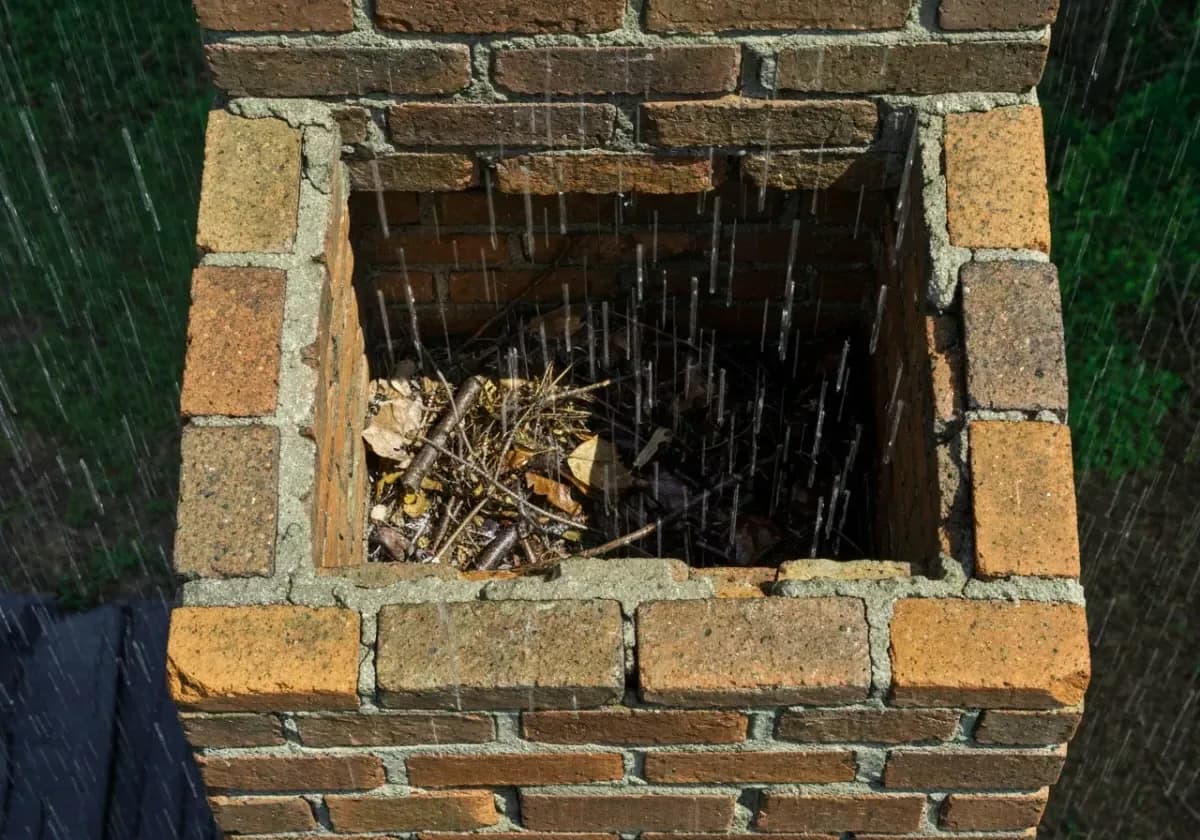 Before
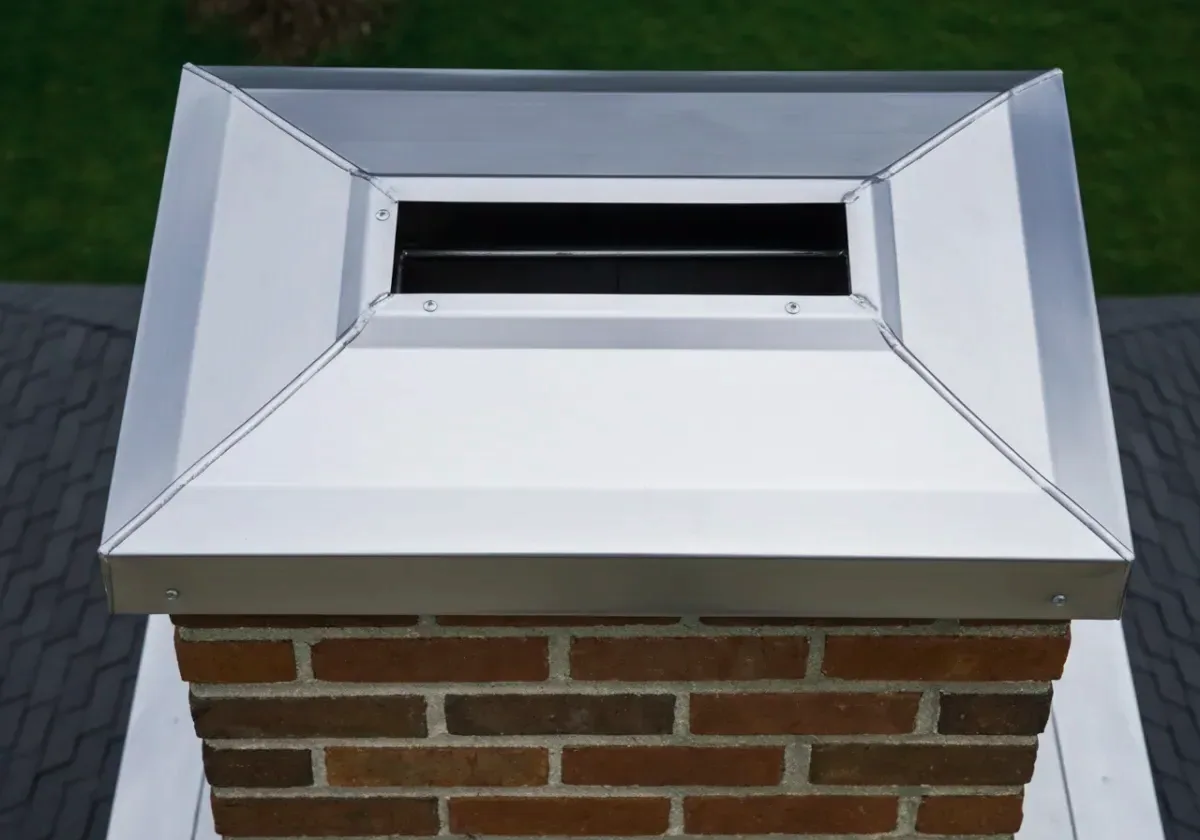 After

Four steps, each one on paper — so you always know what happens next.
Choose a genuine opening on the crew's calendar. Confirmation is immediate.
Liner, crown, cap, flashing and masonry examined in order — each finding photographed.
One document, plain numbers, covering only the work your chimney genuinely needs.
The repair is completed, then handed over with before-and-after photos of every item.
From $245. Brushable deposits stay near that figure; glazed creosote requiring chemical treatment and return visits costs more, and we quote it once the camera has shown its extent.
Yes. The Chimney Safety Institute of America explains that crusty creosote can be removed by rotary cleaning, whereas the gummy or glazed form needs chemical treatment to change its makeup before brushing will work.
No. Trying to burn creosote out is how chimney fires start. Should the flue start to roar, close the damper if you safely can, leave the house and call 911.
Then cleaning has done its job by revealing it. Assessing the flue is an inspection, charged $99 plus tax per chimney and counted against the cost of any repair you sign off on.
A $99 on-site inspection, a written quote before any work, and photos of every item we touch.