Fremont, King County
Many Fremont houses are as old as the bridge everyone knows the neighborhood by, or older. The bascule bridge opened in 1917; the city's own survey puts the peak of house building here after 1902. Below: the houses, the water at the foot of the hill, the weather measured beside it and what old brick faces in an earthquake, each figure tied to a public source. It is meant to be read before you call us, so that what we tell you on site can be checked against something other than our word.
Book an inspection
Book your $99 inspection
$99 plus tax, deducted when you approve the repair
Not sure where to start
Pick what you're seeing at your Fremont home — we'll point you to the right fix.
What we do
The same crew, the same written quote — for Fremont homes.
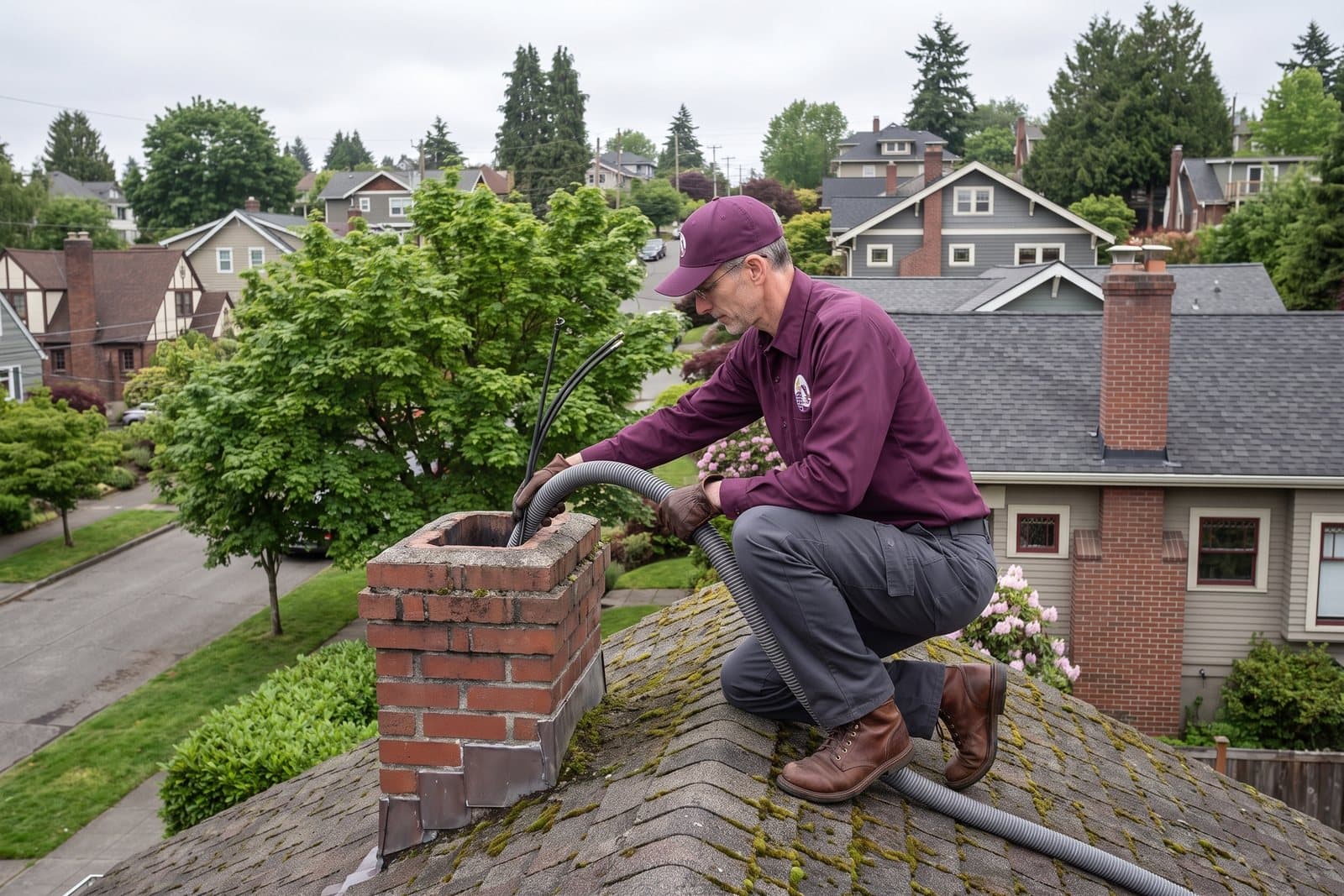
The whole flue brushed, using heads picked for the liner's size and shape
Learn more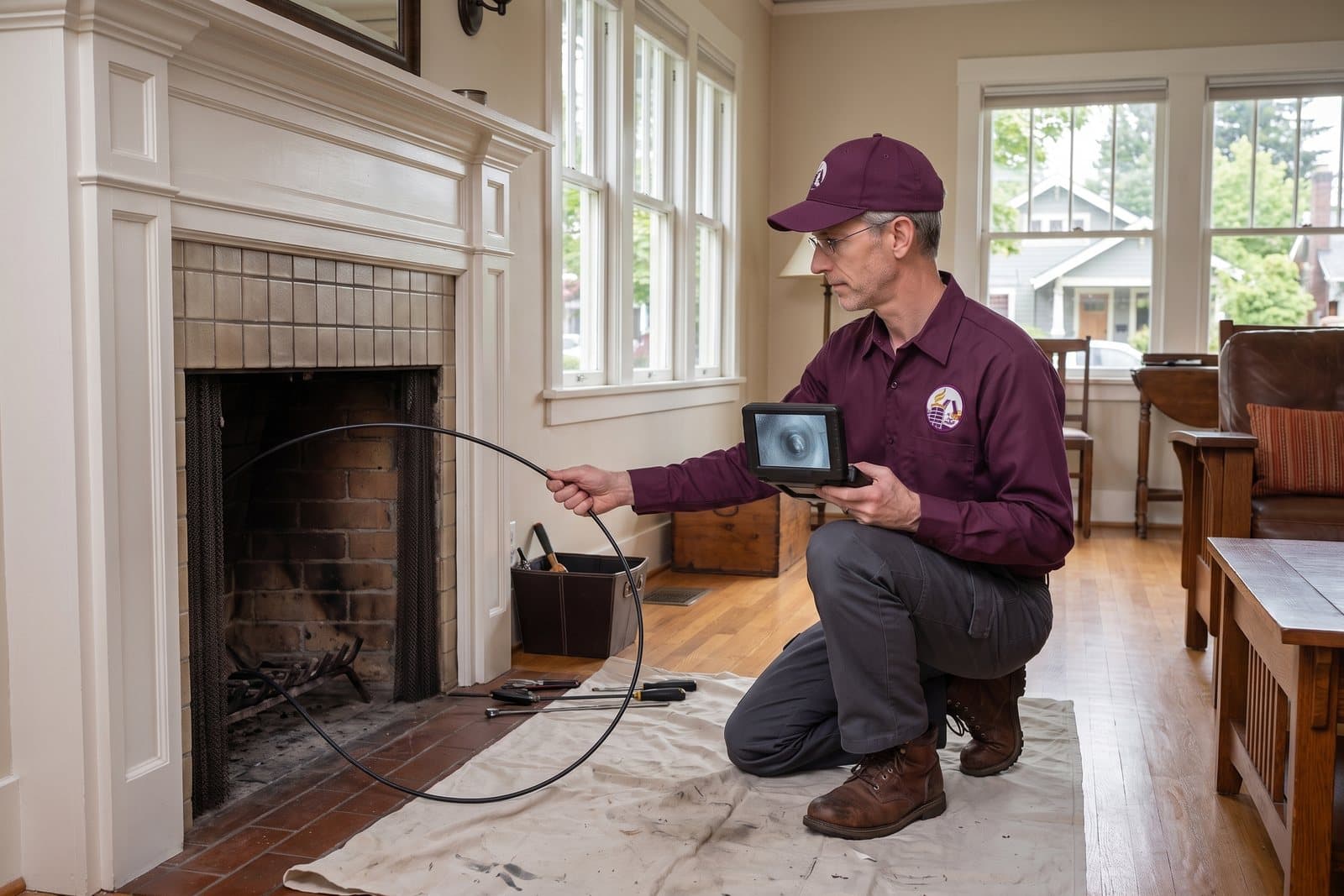
A Level 1 review of everything reachable, raised to a Level 2 camera scan when a question stays open
Learn more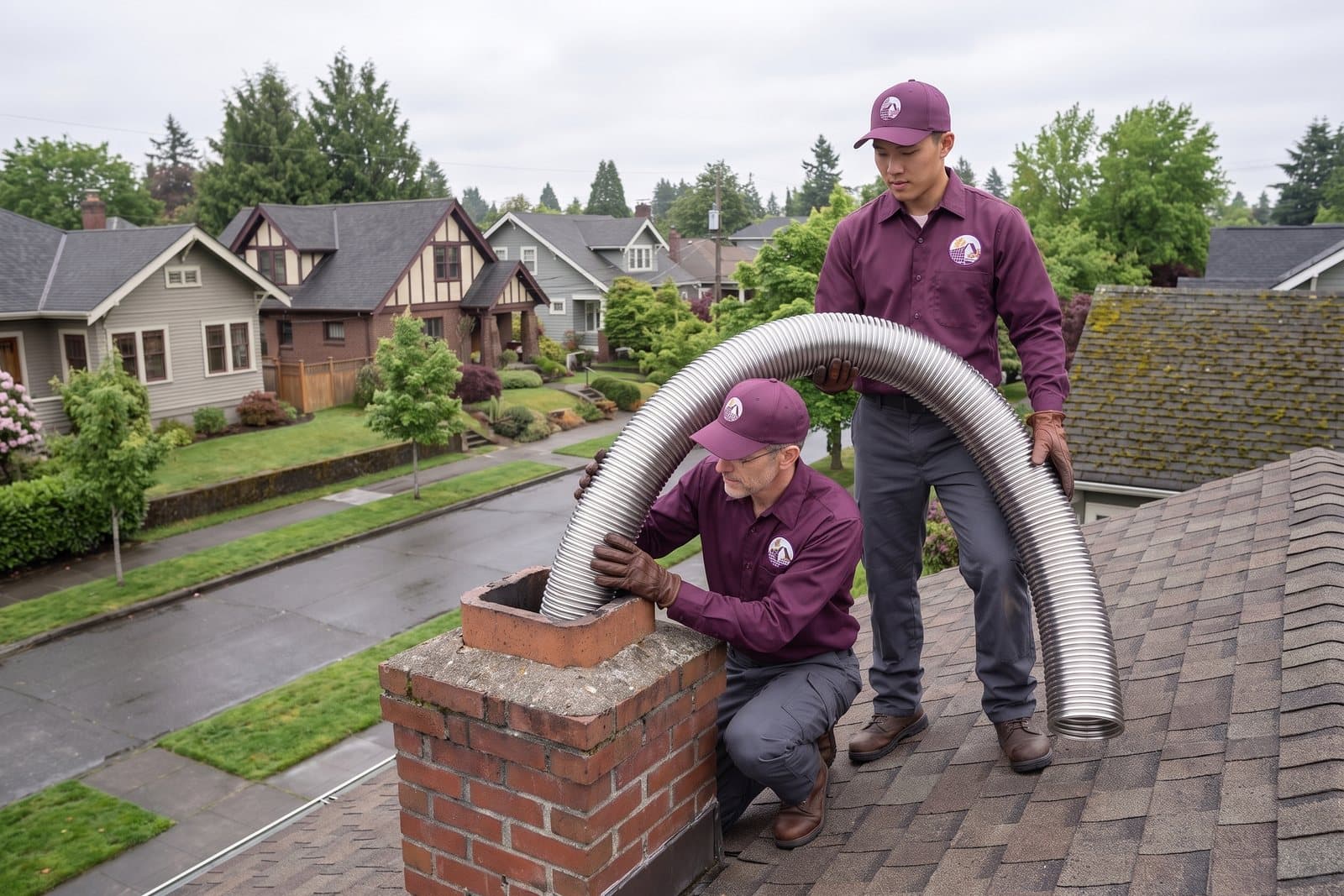
Camera survey and measurements taken before any liner is chosen
Learn more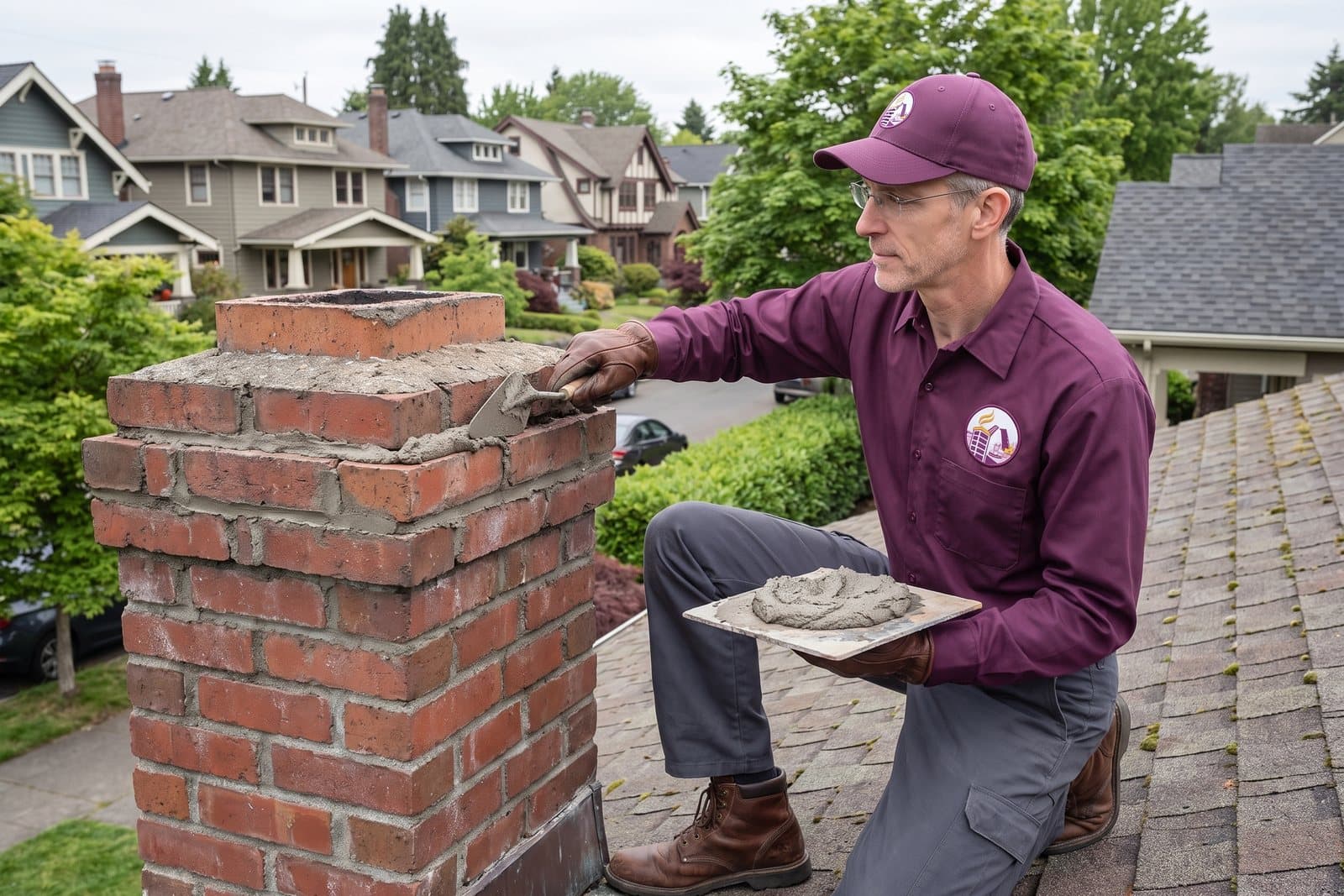
A photo assessment that distinguishes surface wear from structural damage
Learn more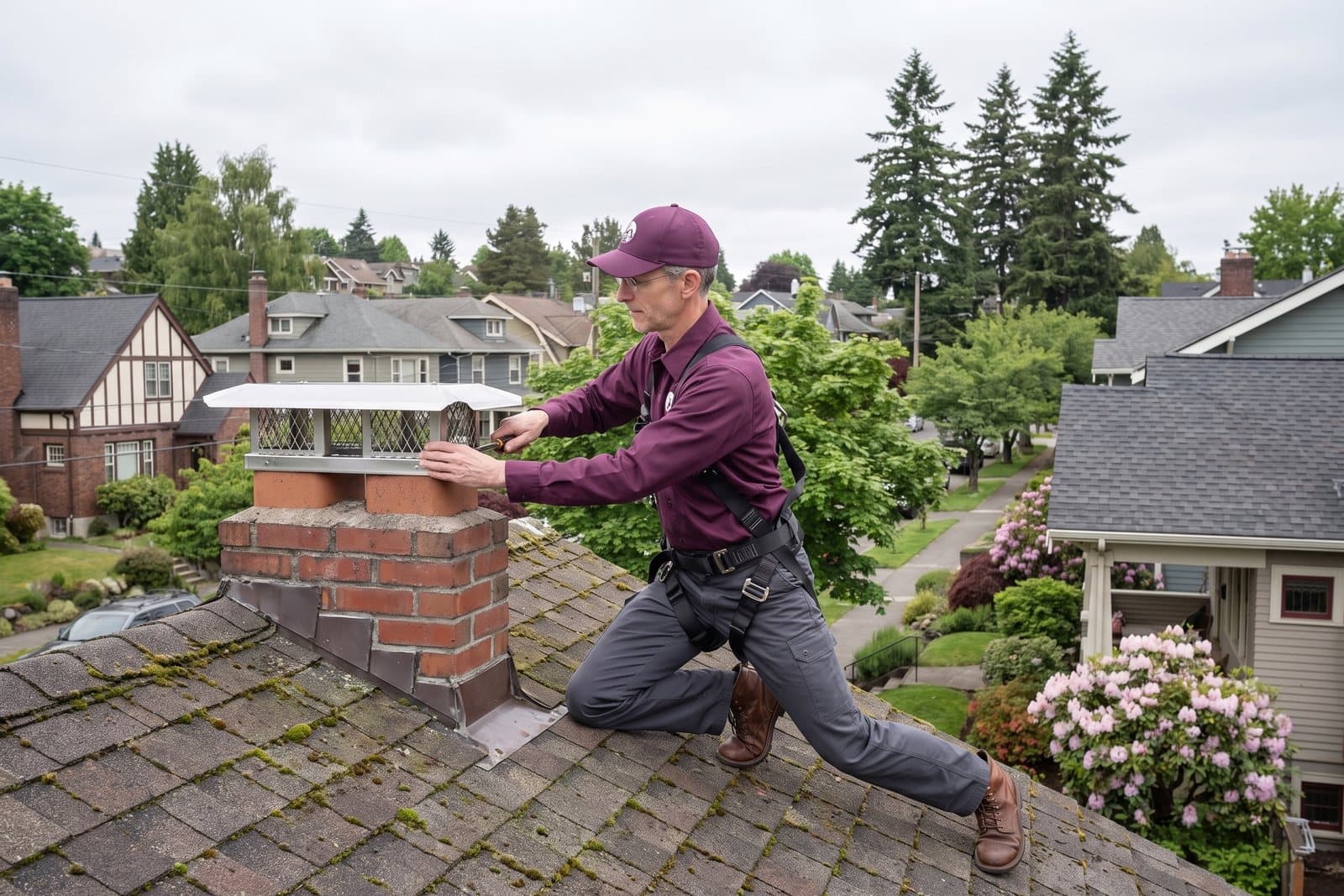
Measurement of each flue, or of the crown when a single cap will span several
Learn more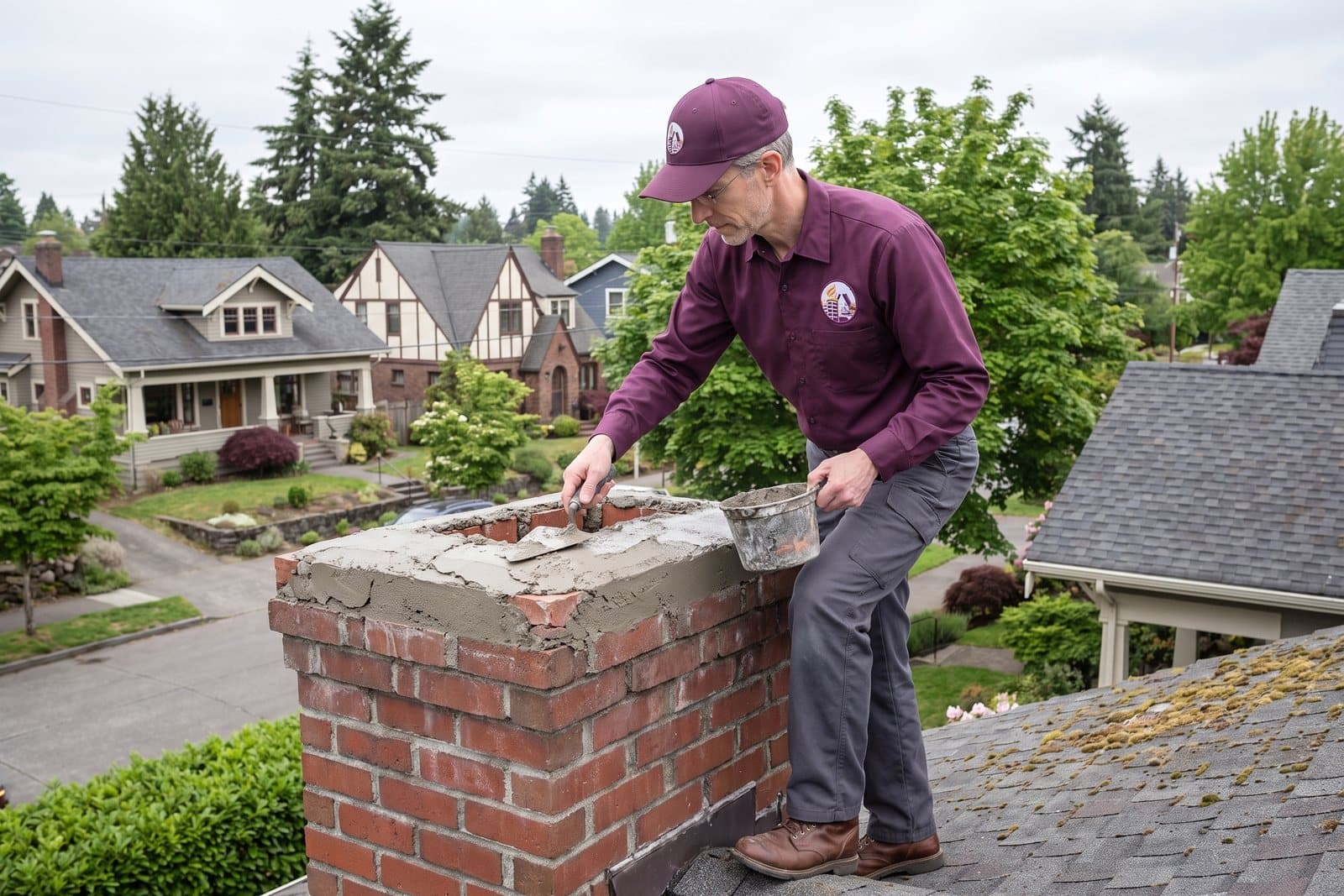
Crown and all four sides photographed before any work
Learn more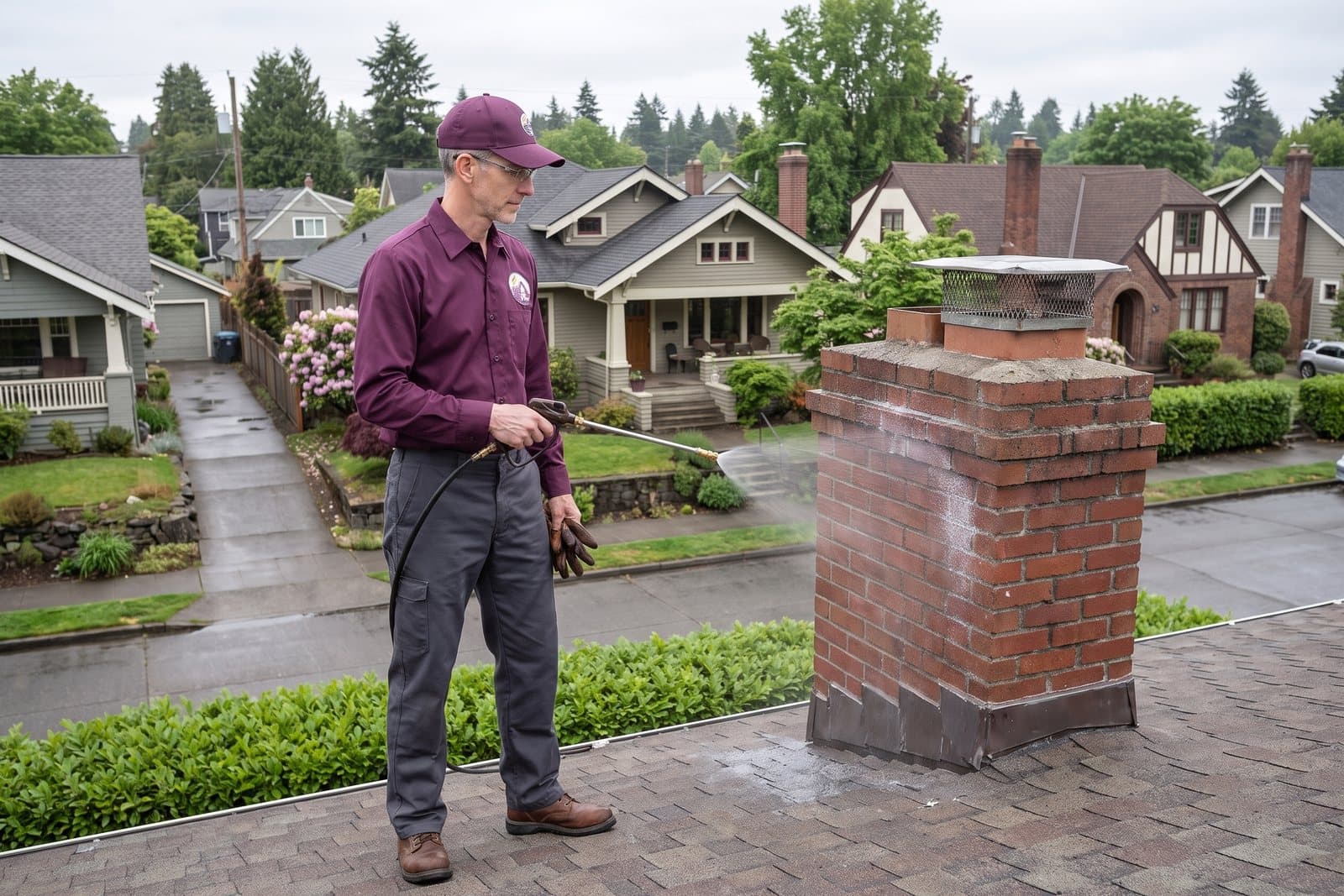
Inspection of crown, joints and flashing before anything is applied
Learn more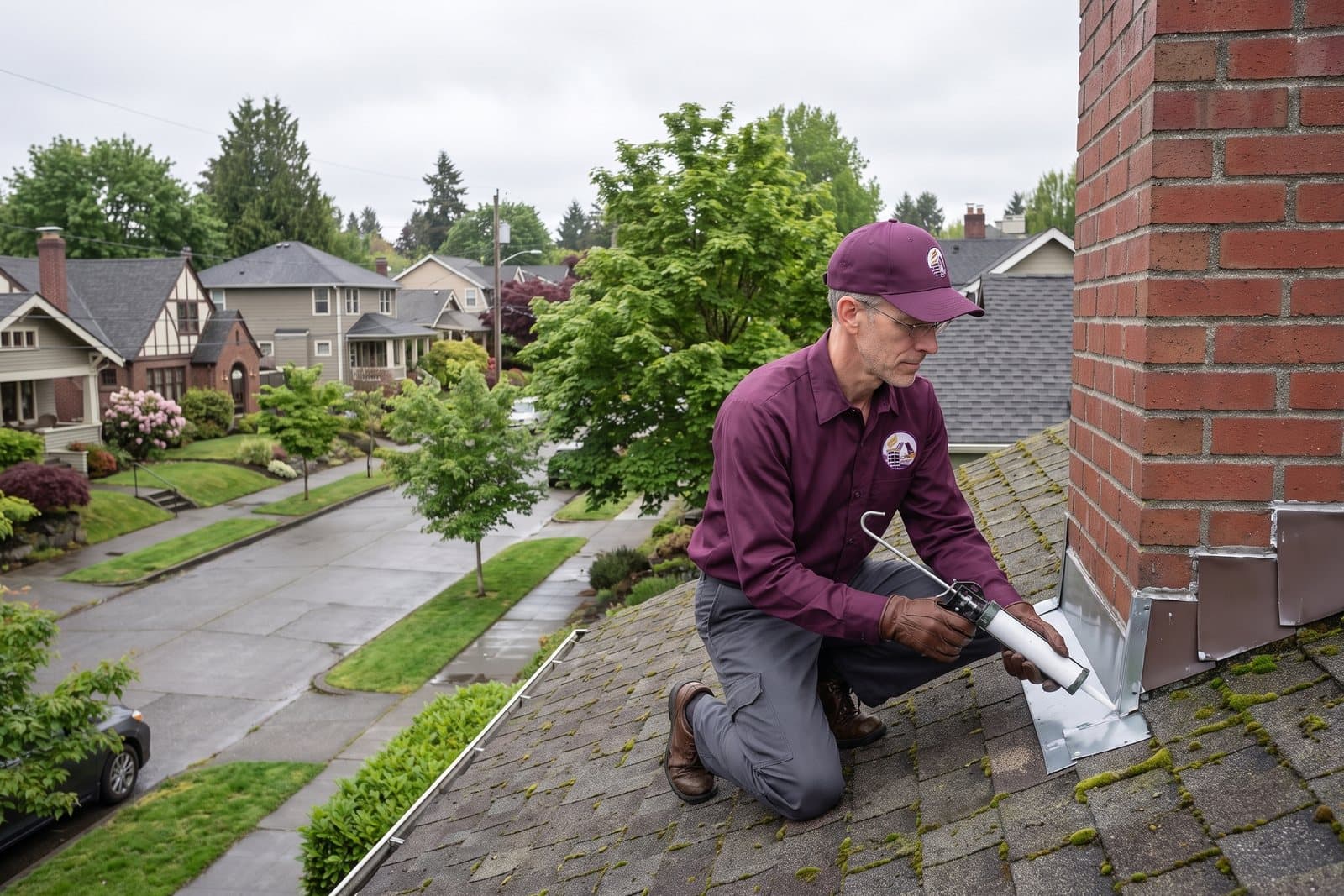
Leak tracing from the stain indoors to the entry point on the roof
Learn more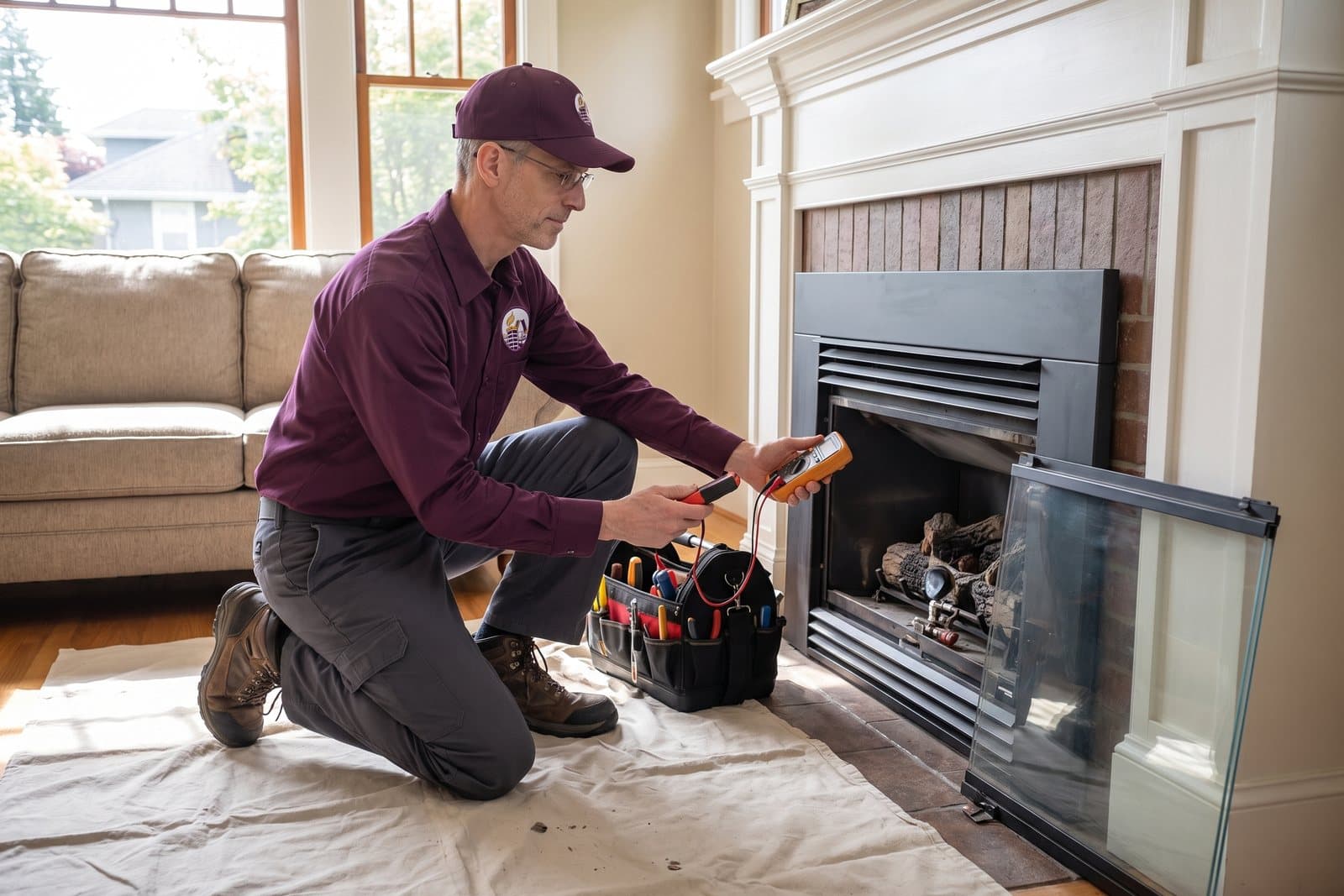
Glass removed, cleaned and checked for a sound gasket
Learn more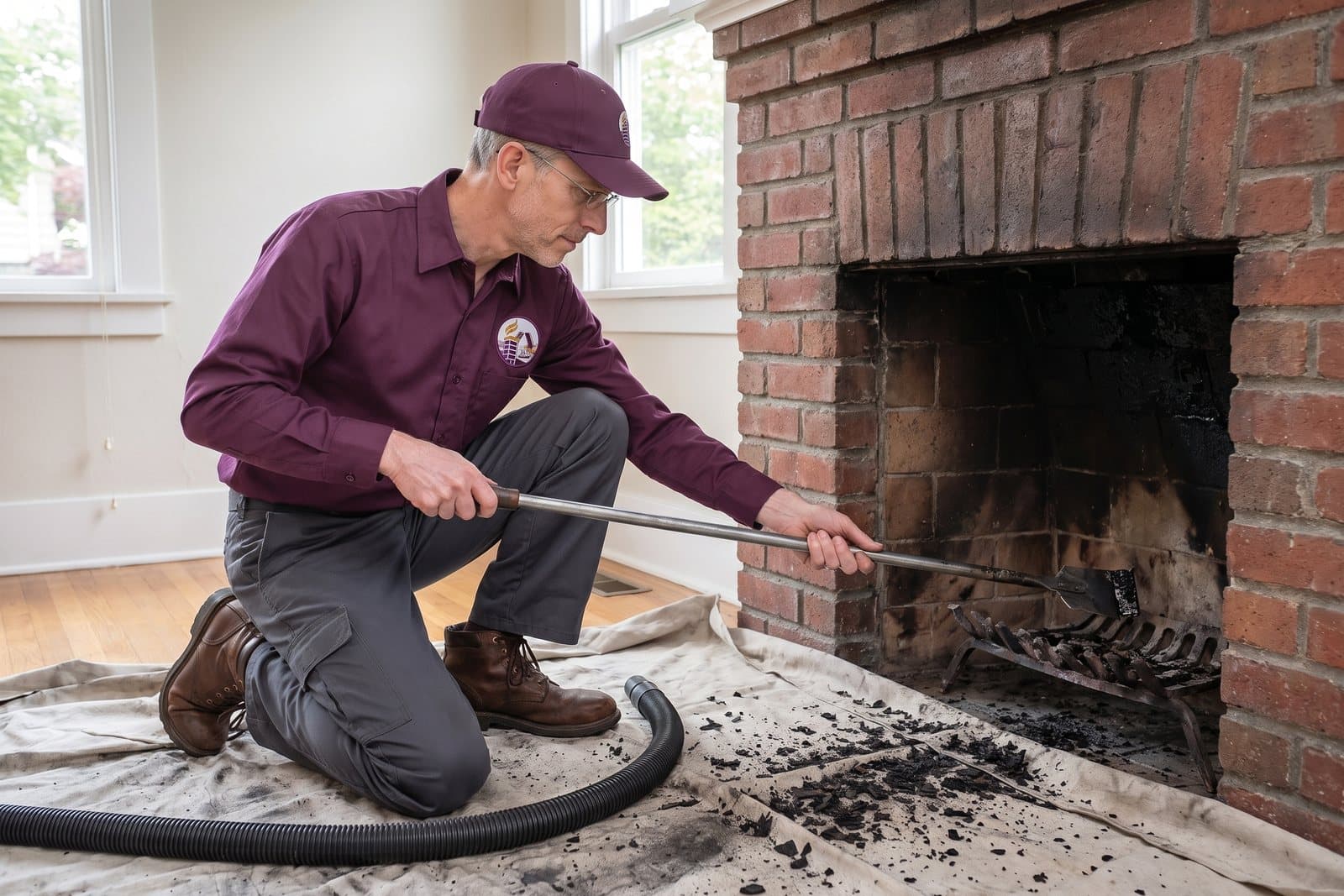
A camera scan to identify the type and extent of the deposit
Learn more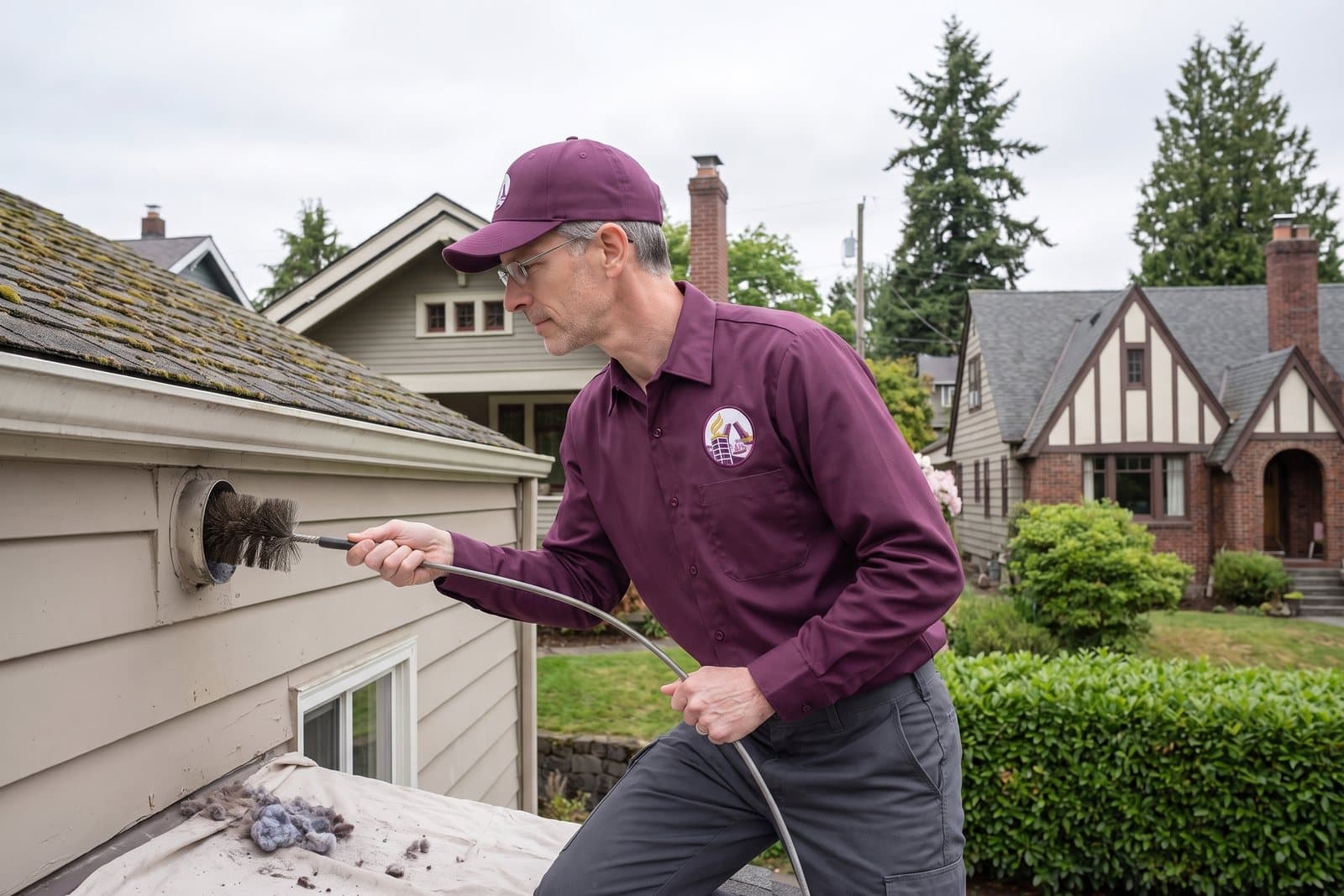
The duct brushed along its entire run, dryer end to outside hood
Learn more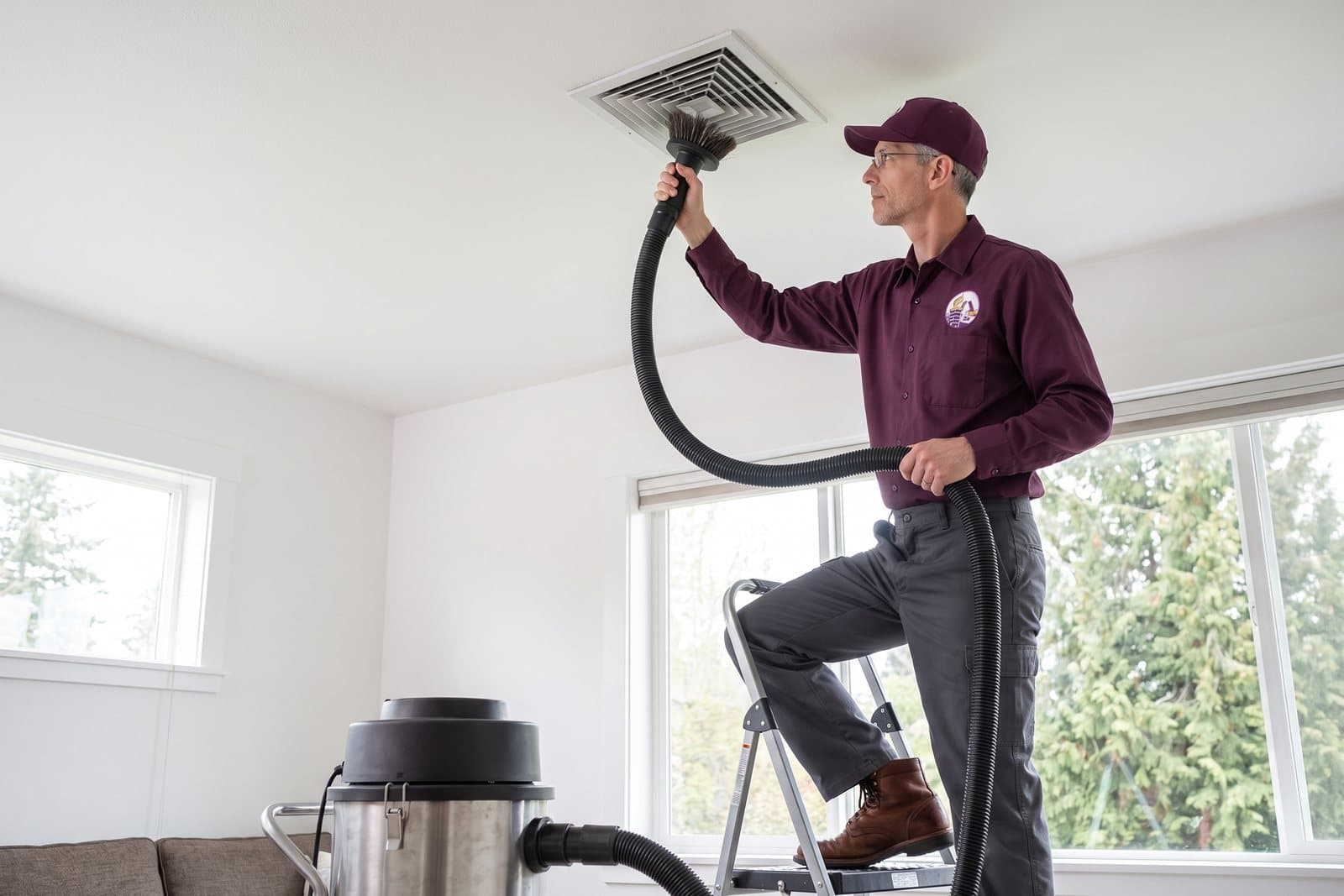
Interior photos of several duct runs before cleaning
Learn moreRanges shown for orientation — the exact figure is written up on-site, after the inspection.
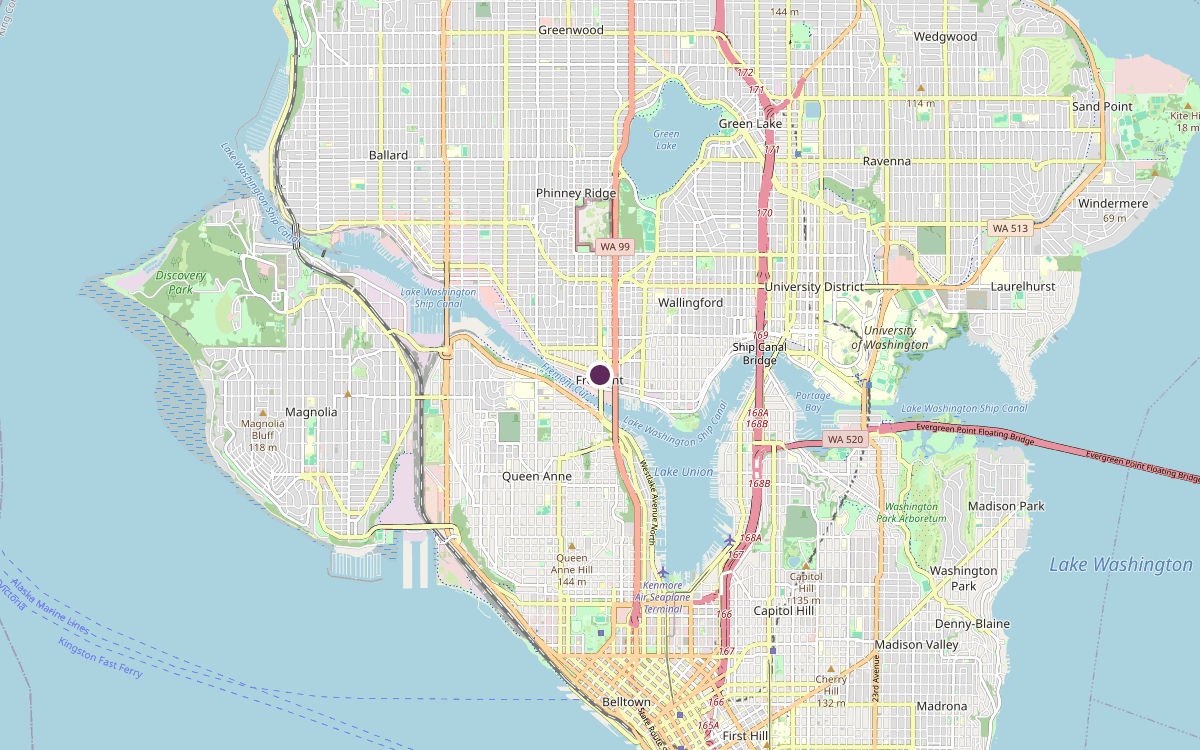
Service-area map — Fremont, Seattle. Map data © OpenStreetMap contributors.
Fremont lies on the north bank of the Ship Canal where Lake Union drains west. Edward and Carrie Blewett bought the townsite on March 20, 1888, and named it for their hometown, Fremont, Nebraska; the revised plat was recorded that May. Seattle annexed it in 1891, and the 1893 Sanborn insurance map noted 700 residents. The city's 2010 survey of residential buildings completed about 820 field forms here and selected 68 properties for the historic inventory, with construction dates running from about 1895 to 1950.
Within weeks of the plat, on May 2, 1888, a milling company was incorporated to saw lumber here. E.C. Kilbourne, one of the promoters, later recalled that the developers gave away 100 lots, one to anyone who would build a house and live in it, and set aside others for churches, a foundry and a tannery.
Rails did the rest. Thirteen streetcar lines ran in Seattle by 1891 and more than 29 by 1900, many laid by land promoters, and the survey report ties the spread of houses across North Seattle directly to them. It dates Fremont's most intense residential building to the years after 1902, helped by routes such as the 1905 line north along Phinney Avenue. From 1910 the interurban electric railway also came through on its way north.
The report lists the house types found: late-Victorian cottages, American Foursquares, Craftsman and Colonial bungalows, Tudor Revival, then Minimal Traditional, Cape Cod, Ranch and Mid-Century Modern. Building stayed strong through the World War I years and surged again through the 1920s. The federal programs of the 1930s produced little here, which the authors attribute in part to a shortage of vacant parcels.
On chimneys the report speaks only through style. It names stone or brick chimneys among the features that define a Craftsman house, and says of Tudor Revival houses that their chimneys are massive and prominent and generally face the street. It does not count fireplaces, and no other public source sorts Fremont's chimneys into masonry, factory-built or gas-vented. We therefore do not guess from the address; the first visit establishes what is there.
Some entries are specific. A 1910 Craftsman bungalow by Jud Yoho, whose Craftsman Bungalow Company built houses and sold them on installment plans between 1911 and 1918, stands at 617 N 47th Street. The youngest listing is the Gamma Rho Apartments of 1950 at 4400 Fremont Avenue N, by architect Fred Bassetti.
The Aurora Avenue bridge was finished in 1932. Aurora had been a residential street; widening it into a highway separated the eastern part of Fremont from the rest. Houses on both sides belong to the same building years, and we serve both. The practical consequence for a visit is access and parking near the highway, which we sort out when booking.
Census figures exist for ZIP area 98103, a tabulation area Fremont shares with Wallingford, Green Lake, Phinney Ridge and the south of Greenwood, not for Fremont alone. There, 56.7 percent of occupied homes name electricity as their main heat; 39.6 percent name utility gas. Fuel oil heats about 350 households and wood about 130.
The table records one main fuel per home and counts no fireplaces, so it understates how many living rooms have a hearth used now and then. Its message for chimney work is simply that gas appliance vents deserve the same attention as wood-burning flues.
The stream that drained Lake Union past the future townsite was narrow until 1885, when it was widened into a ditch for floating logs. The Ship Canal replaced it. During construction, in 1914, a dam at the mill failed; the bridge was carried away and the lake dropped roughly ten feet within 24 hours, grounding houseboats. The Fremont Cut was completed in 1916 and the present bascule bridge opened on June 15, 1917, after a first high bridge had served from 1911.
What that water means for a chimney is humidity and exposure more than flooding. The Portage Bay weather station, on the lake side of the city, averaged 37.92 inches of precipitation over some 151 days a year from 1972 to 1998, recorded 4.22 inches in one day in January 1986 and saw the temperature fall to freezing about 24 nights a year. Wet masonry is what frost breaks. Those conditions produce the defects a roof visit in Fremont looks for: eroded joints high on the stack, crowns cracked through, caps rusted or gone.
The Seattle Fault runs east to west across the middle of the city. Seattle's emergency management office says it is capable of a magnitude 7.5 event and that it last ruptured about 1,100 years ago. Citywide, the tally of unreinforced masonry buildings at risk of collapse exceeds 1,100, and upward of 22,000 people live in them or work there; retrofitting them is voluntary for now under a code adopted in fall 2024.
Those counts concern whole buildings, not house chimneys, and no published study gives earthquake damage figures for Fremont. The link to a house here is the material. In FEMA's ranking, the chimney likeliest to come down is old, unreinforced, brick, its mortar gone weak. For one that cannot be retrofitted the agency offers stopgaps: keep away from it when you can, indoors and outdoors, and keep beds well away. On a visit we can tell you whether your stack fits FEMA's description. What to do about it is your decision, taken with a permit office and, for a tall stack, an engineer.
The grid we quote from for Fremont homes — the $99 inspection comes first, the written quote before any work.
| Service | Price in Fremont | What that covers |
|---|---|---|
| Chimney Sweep | $209–$459 | Full flue swept, Level 1 inspection included |
| Chimney Inspection | $99 plus tax | Level 1 visual; Level 2 adds a full camera scan |
| Chimney Relining | From $1,900 | Full-length stainless liner, sized to the appliance |
| Chimney Repair | From $425 | Masonry repair — brick and mortar, scoped after diagnosis |
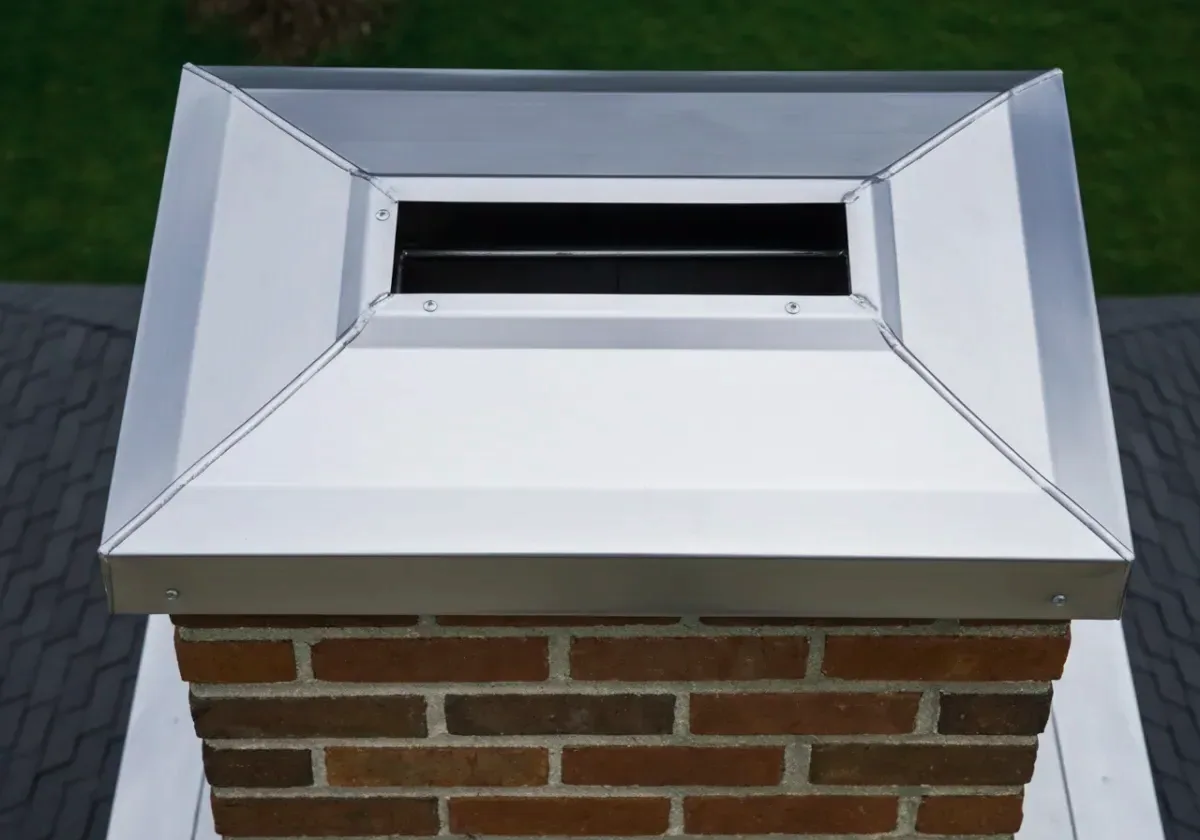
| Chimney Cap Installation | $265–$850 | Stainless cap fitted; multi-flue and custom at the top |
| Masonry Repair (Crown / Repointing) | From $475 | Crown work, repointing and tuckpointing by surface area |
| Chimney Waterproofing | $320–$795 | Breathable sealer — reapplied every 3–5 years in this climate |
| Chimney Flashing Repair | $375–$1,495 | Reseal at the low end, full flashing replacement at the high |
| Gas Fireplace Service | $189–$479 | Annual service and tune-up; repairs quoted after diagnosis |
| Creosote Removal | From $245 | Priced by creosote stage — glazed stage 3 is the heavy end |
| Dryer Vent Cleaning | $105–$295 | Full run cleaned; roof or upper-floor terminations at the top |
| Air Duct Cleaning | From $525 | Whole HVAC system — trunks, branches and every register |
Ranges are what these jobs are quoted at in Fremont. The exact figure is set on site after a $99 inspection (credited toward the job if you go ahead), and you approve it before any work starts.
Before and after
Illustrations of what each repair changes on a typical chimney — not photos of a specific job.
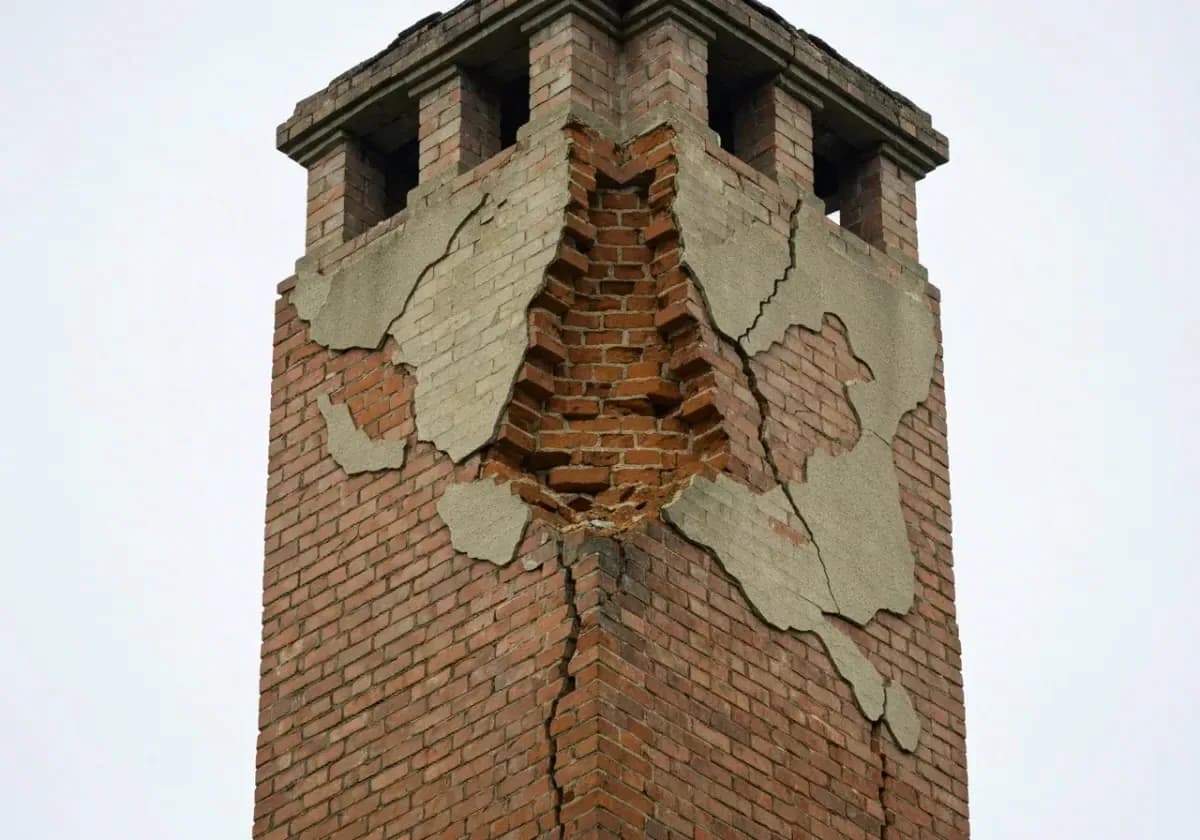 Before
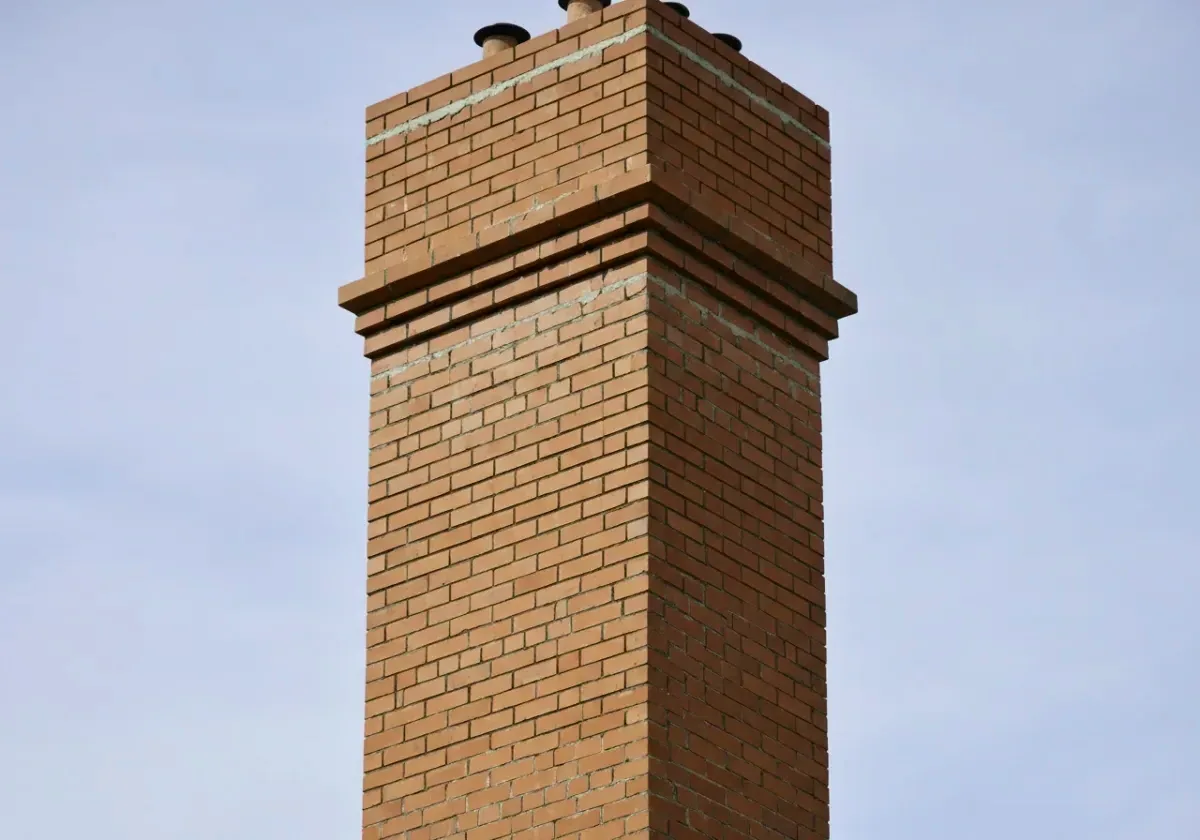 After
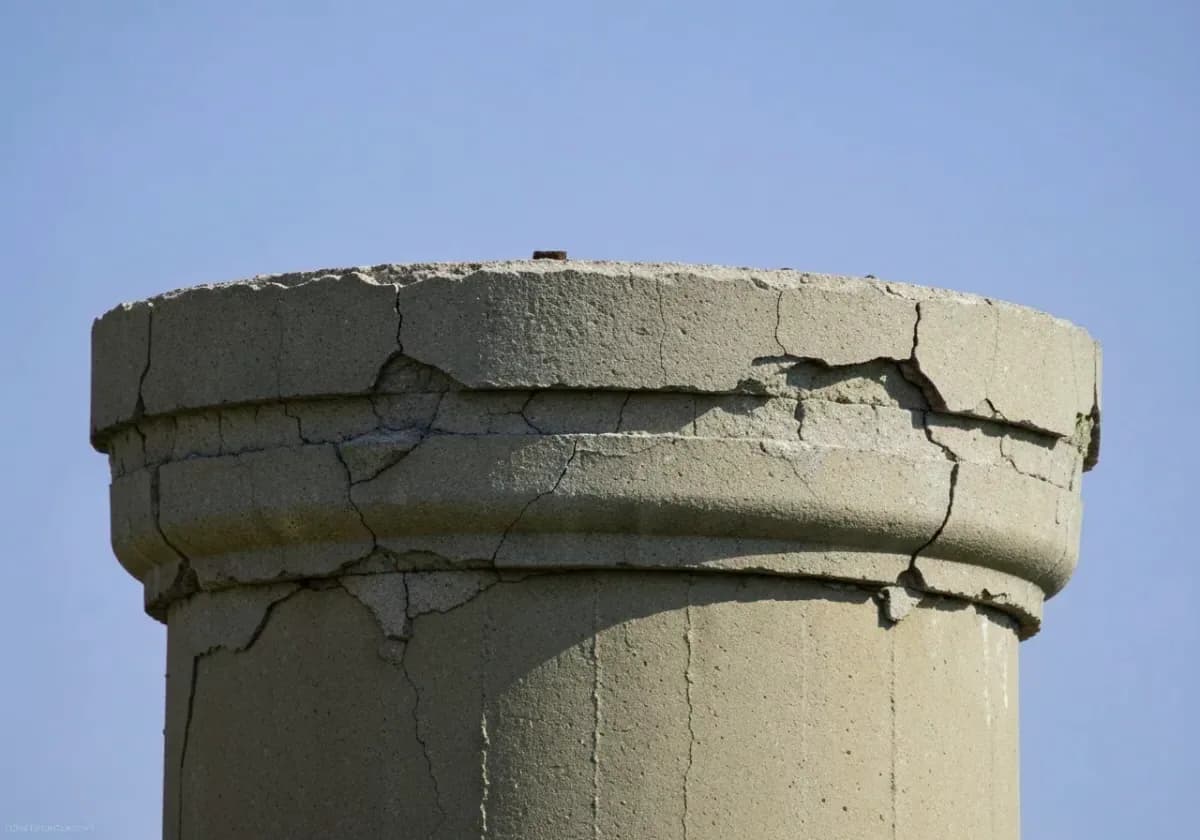 Before
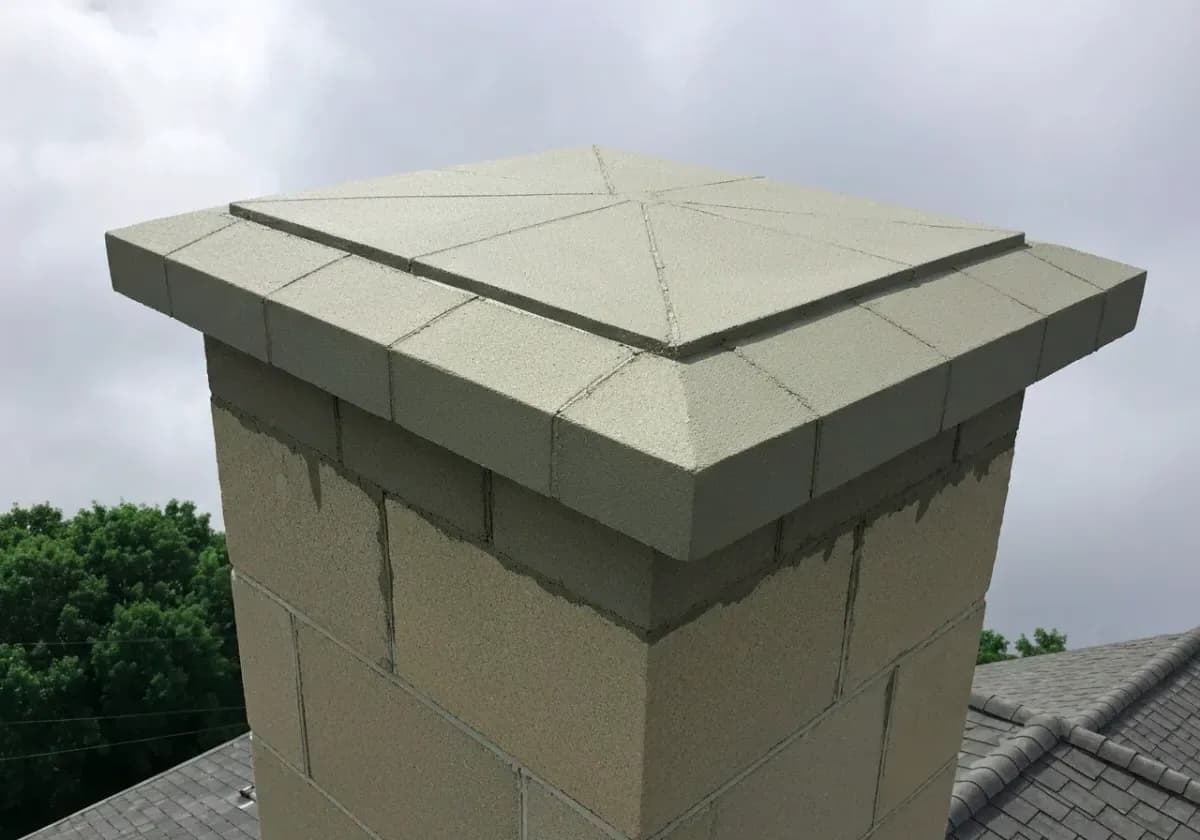 After
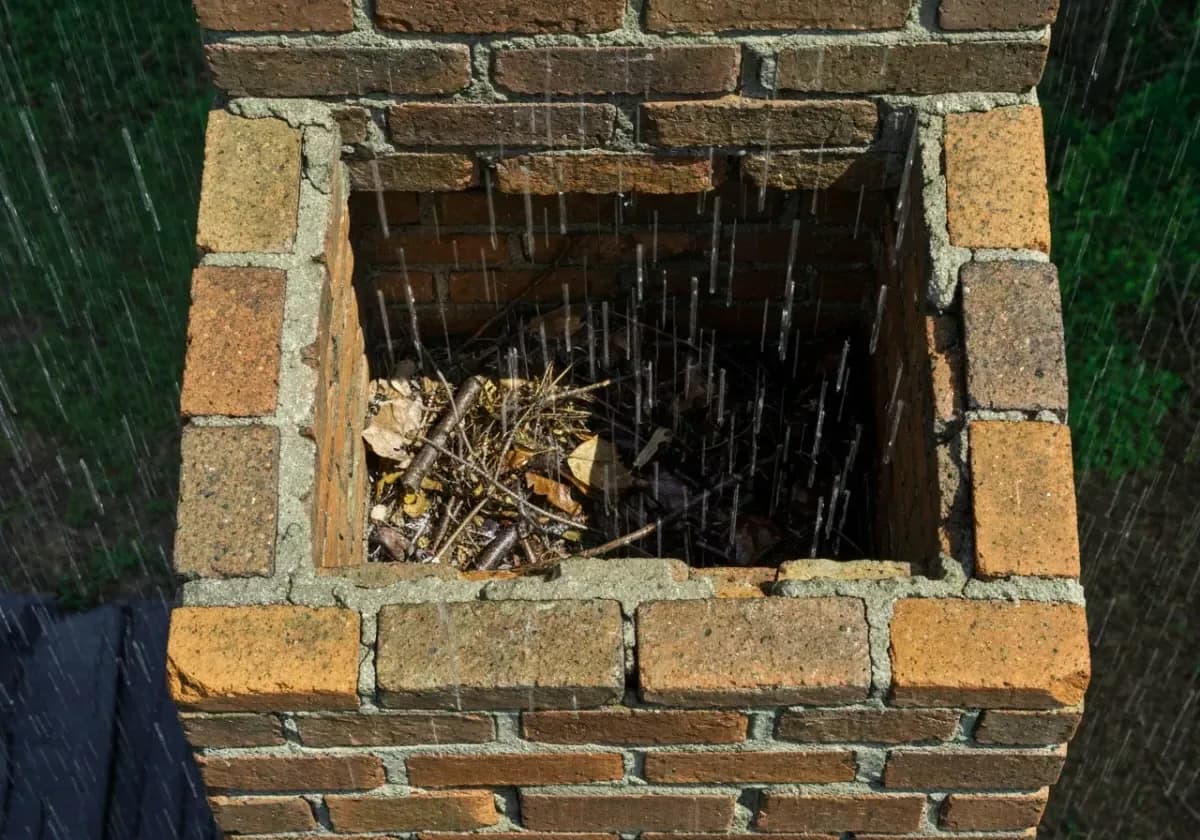 Before
 After

Four steps, each one on paper — so you always know what happens next.
Choose a genuine opening on the crew's calendar. Confirmation is immediate.
Liner, crown, cap, flashing and masonry examined in order — each finding photographed.
One document, plain numbers, covering only the work your chimney genuinely needs.
The repair is completed, then handed over with before-and-after photos of every item.
No. It was platted as its own townsite in 1888 and annexed three years later; it has been a Seattle neighborhood since 1891, so Seattle's codes and SDCI's permit rules apply.
It depends on the work. Seattle exempts repointing by name, and SDCI says most projects beyond its exemption list, fireplace and gas work among them, need a permit. For anything past maintenance we put the question to SDCI for your address before starting.
No. The city's survey describes styles and dates, not what is inside each flue, and we will not pretend otherwise. A camera settles it.
The visit is an inspection, priced at $99 plus tax for each chimney. Hire us for the work that follows and the $99 is credited on that invoice; the report is yours whatever you decide.
Choose a genuine opening on the crew's calendar. We inspect, quote in writing, and hand over a photo record of every repair.