Wallingford, King County
A new liner for a Wallingford chimney costs $1,900 at the least. Think of that sum as one straight flue, one appliance, one story and a half of pipe. The total moves with four variables we can only read on site: how many feet of liner the stack needs, whether the flue jogs sideways on its way up, what diameter the appliance's listing calls for, and whether the existing tiles are in the way and have to be chiseled out first. A wood-burning insert and a gas furnace do not take the same liner, so the fuel matters as much as the height.
Typical investment
From $1,900
Book an inspection
Book your $99 inspection
$99 plus tax, deducted when you approve the repair
Not sure where to start
Pick what you're seeing at your Wallingford home — we'll point you to the right fix.
What we do
The same crew, the same written quote — for Wallingford homes.
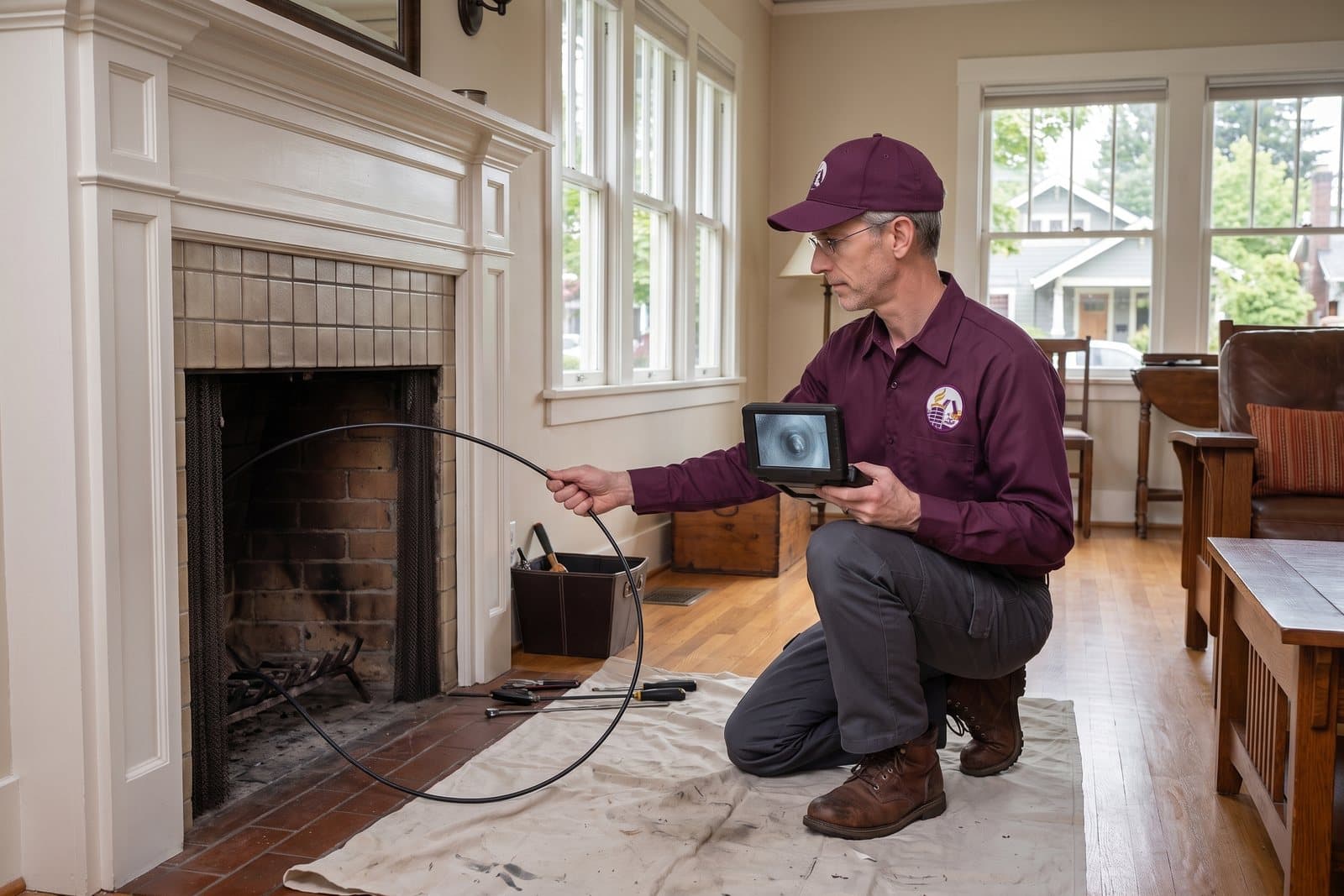
A Level 1 review of everything reachable, raised to a Level 2 camera scan when a question stays open
Learn more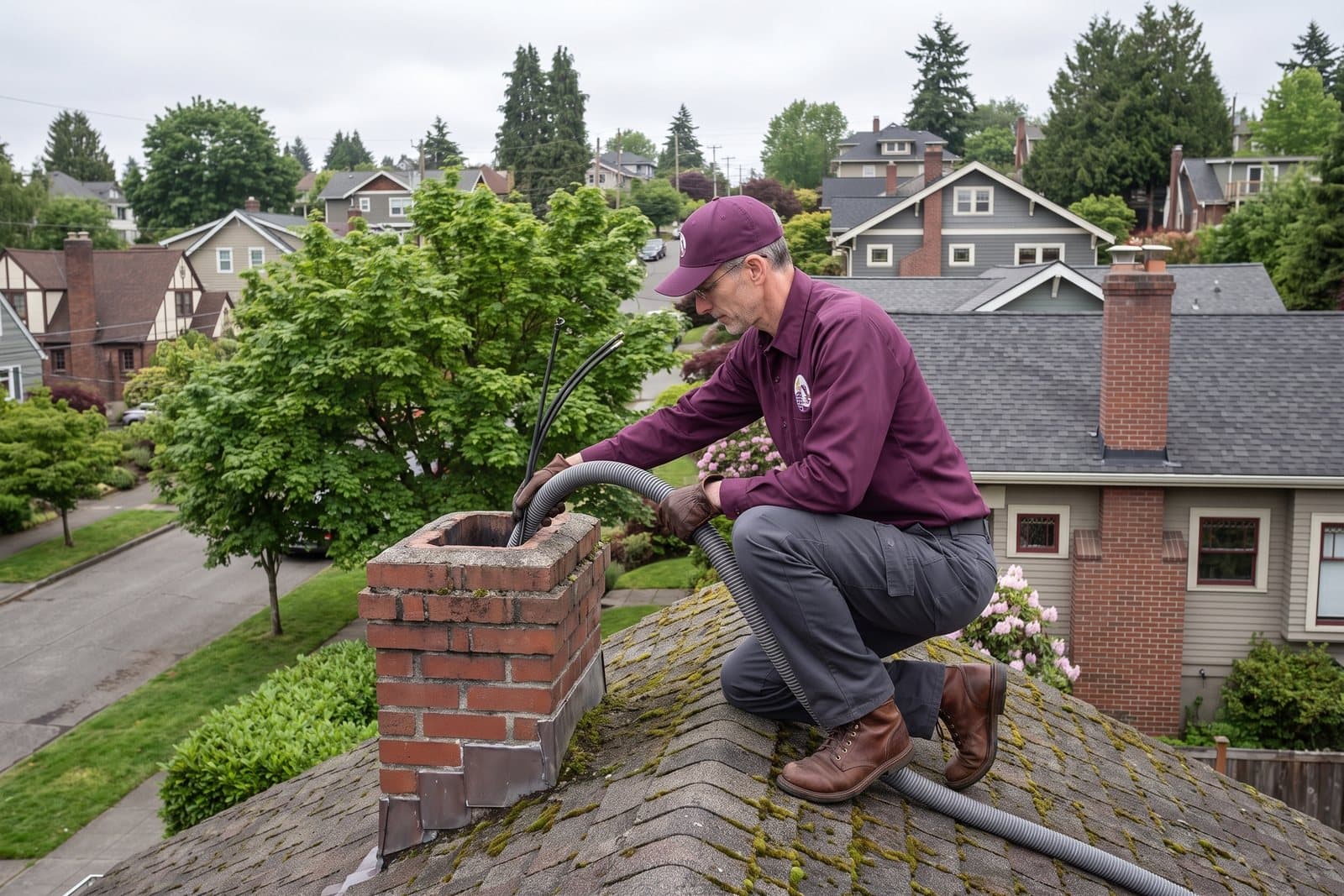
The whole flue brushed, using heads picked for the liner's size and shape
Learn more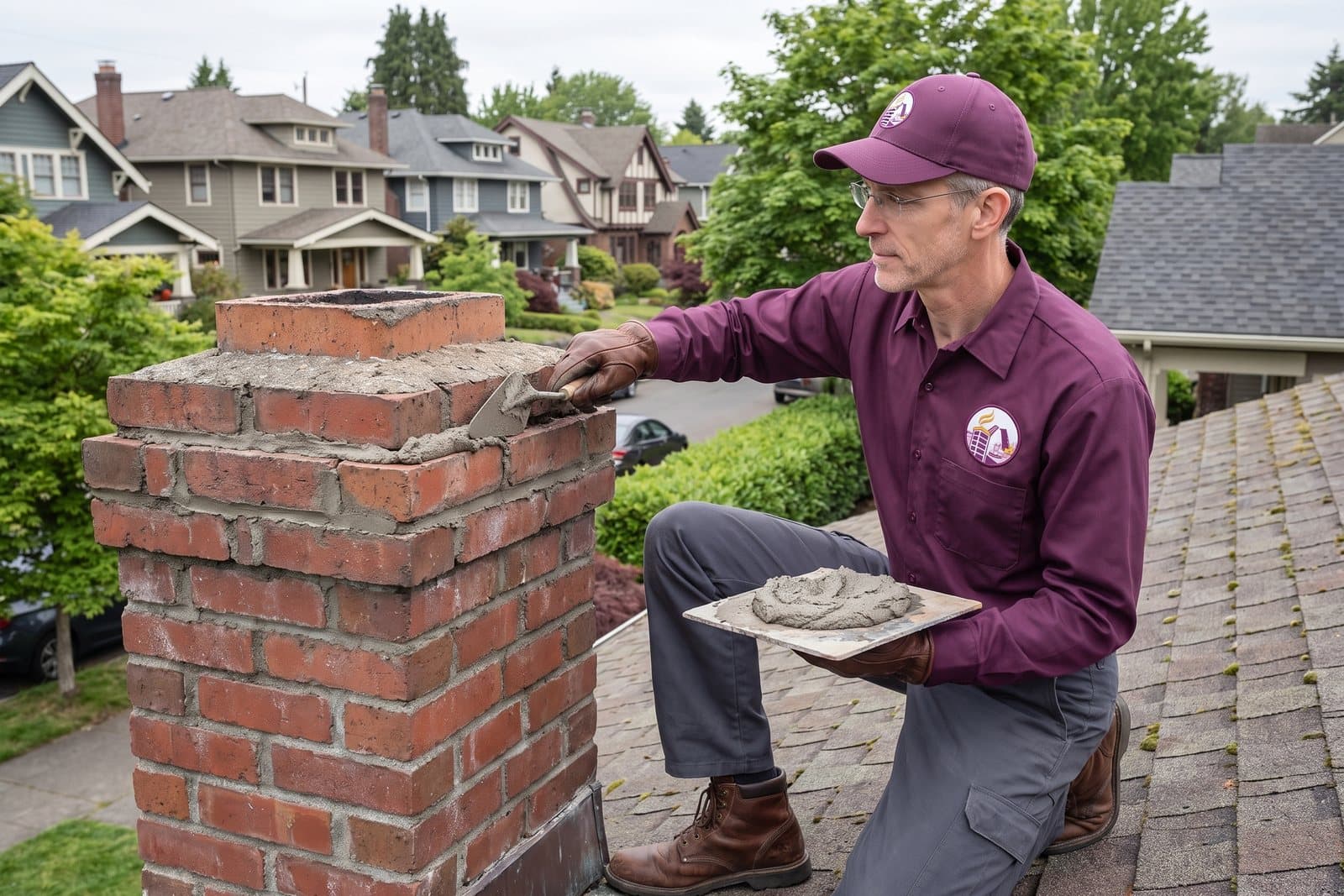
A photo assessment that distinguishes surface wear from structural damage
Learn more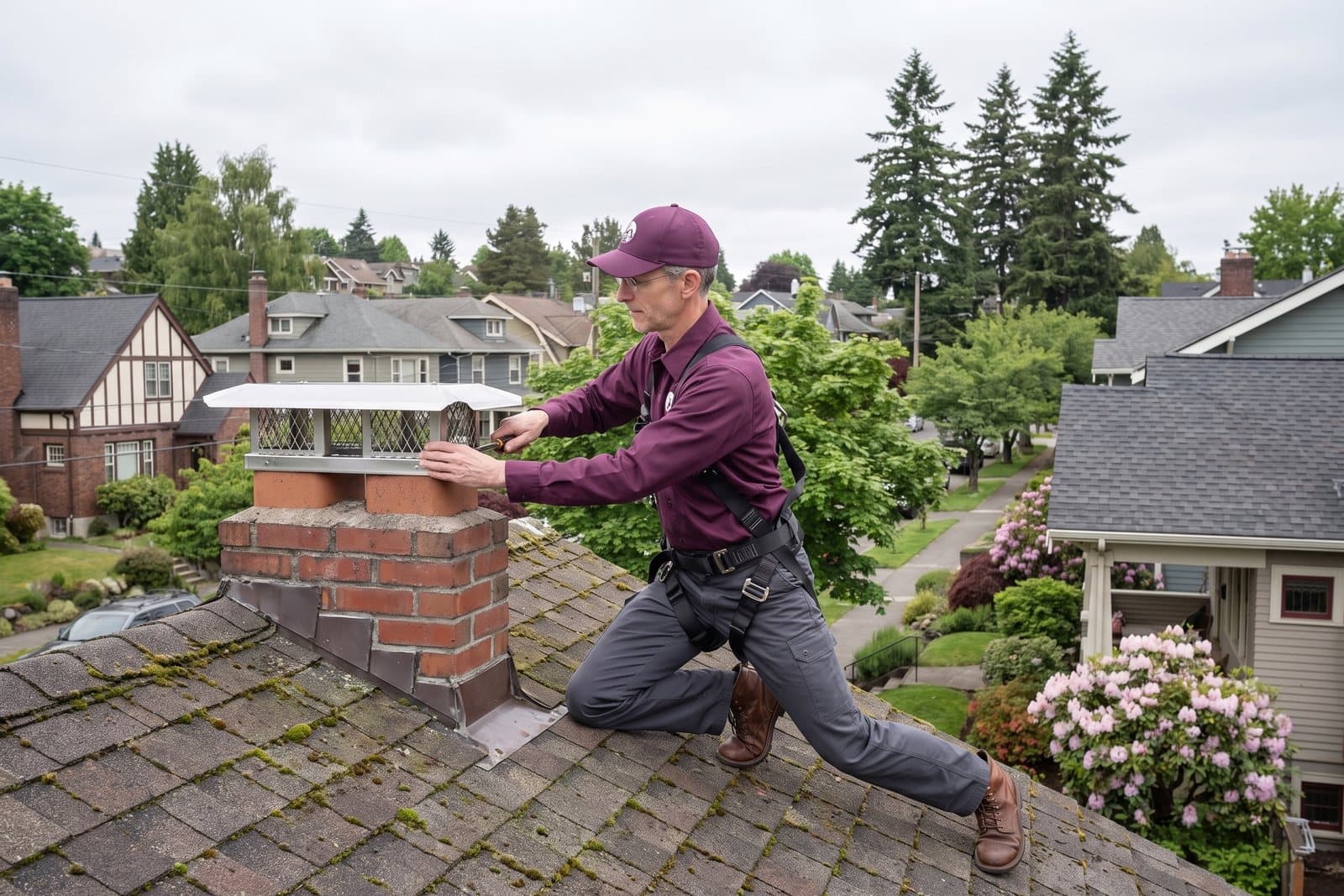
Measurement of each flue, or of the crown when a single cap will span several
Learn more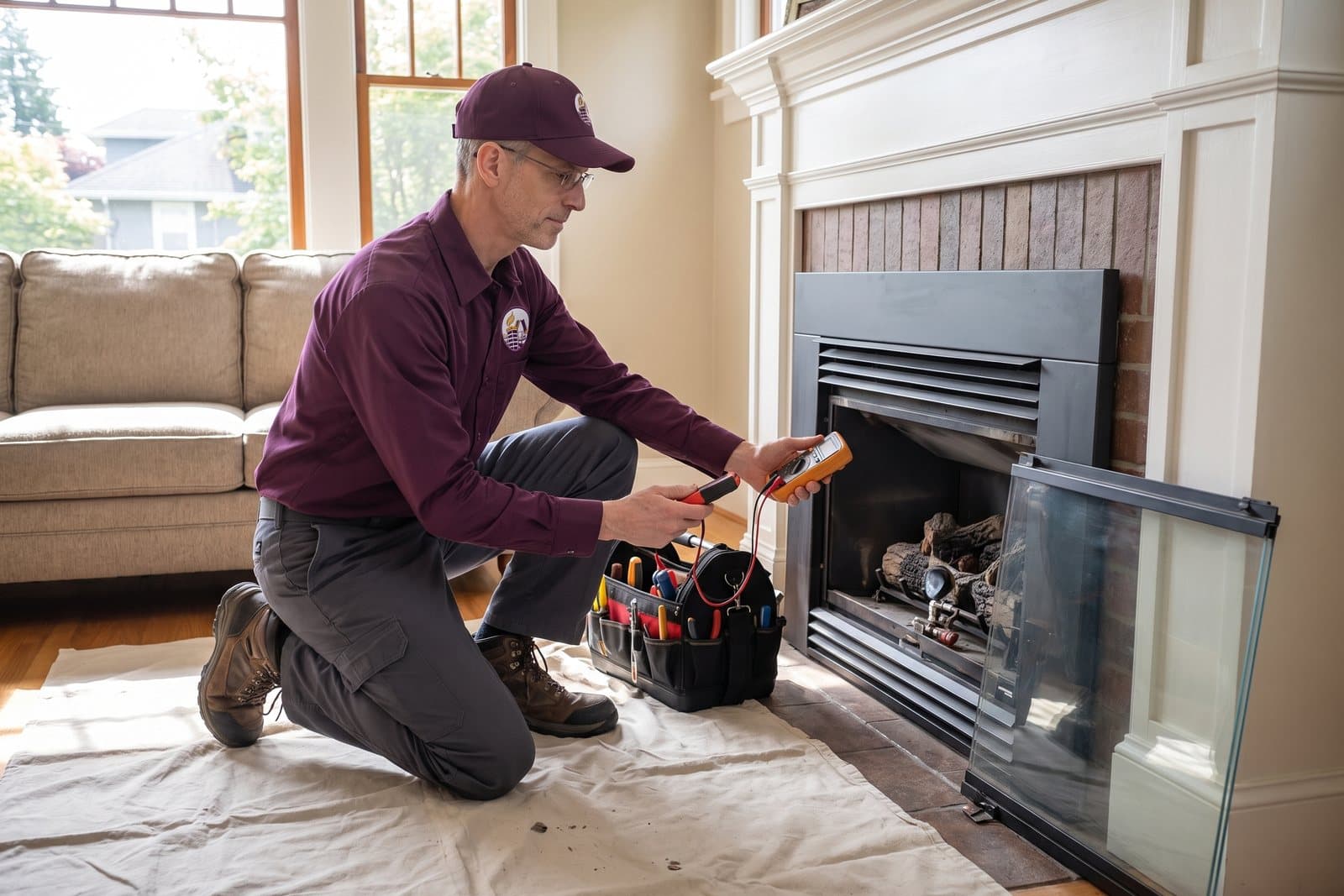
Glass removed, cleaned and checked for a sound gasket
Learn more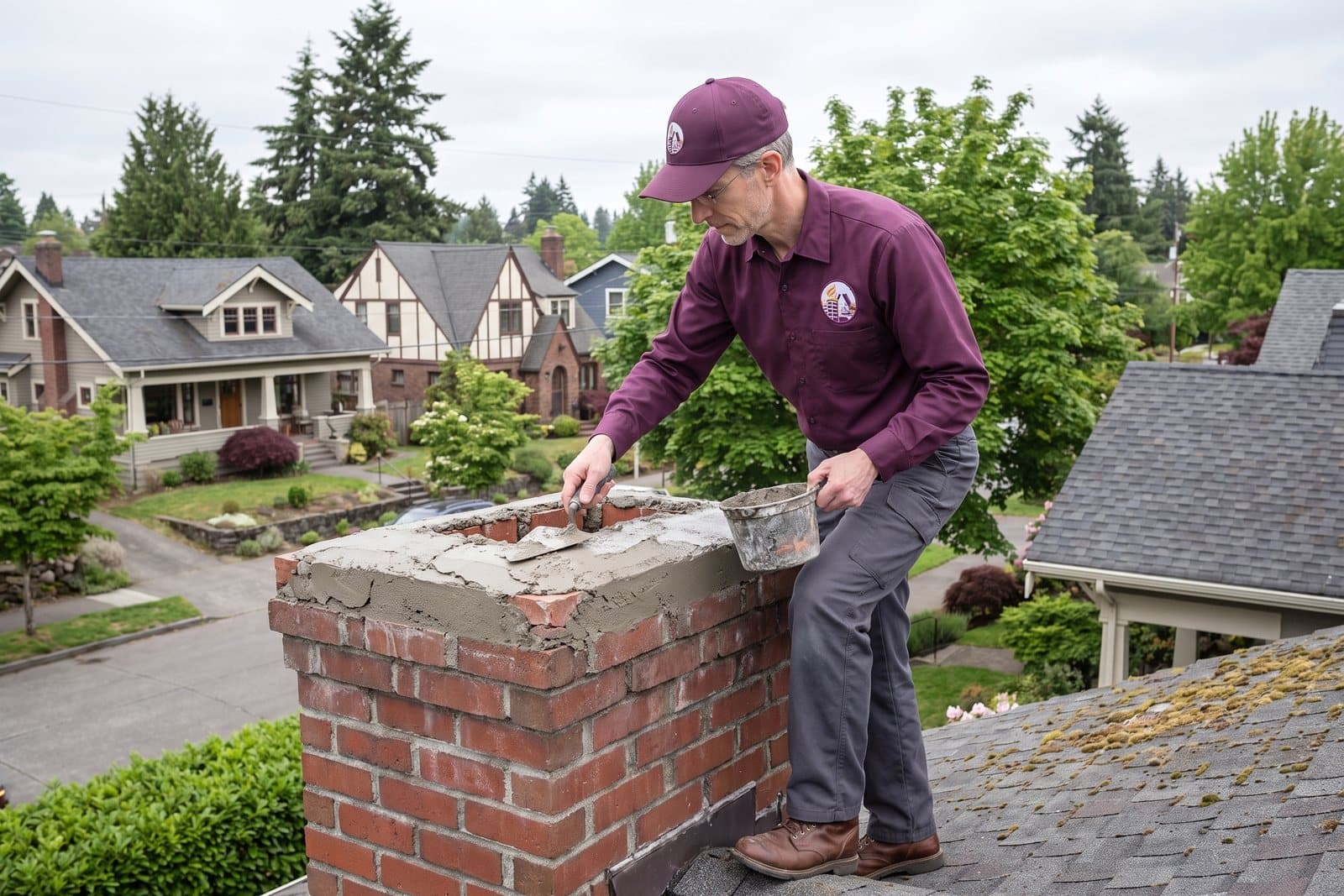
Crown and all four sides photographed before any work
Learn moreRanges shown for orientation — the exact figure is written up on-site, after the inspection.
Platting in Wallingford continued into the early 1920s; the Hope Addition, tied to the Home of the Good Shepherd property, was filed on August 29, 1922. The decade also brought apartment buildings, such as the Lisa Carol Apartments of 1926 on Corliss Avenue N and the Burke Avenue Apartments of 1928. Houses and small apartment blocks of those years were heated with what was available then. Natural gas piping did not reach Seattle until 1956, according to HistoryLink. A flue laid up before that date was not designed around a modern natural-gas furnace or water heater.
Thirty-three nights of frost in an average year: that is the long-run count from the University of Washington station (33.1, for 1909 through 1983), with 11 of them in January. Across the water side, Portage Bay logged about 24 such nights between 1972 and 1998. Both gauges stood on this side of Seattle, and Wallingford is the hill that rises from Lake Union's north shore.
A chimney on an outside wall is as cold as the air around it on those nights. When a furnace or water heater fires, its exhaust meets that cold masonry and gives up water on the way. In an unlined or oversized flue the water soaks into mortar, carries acids with it, and reappears as stains, loose sand and spalled brick. An insulated stainless liner of the right diameter keeps the exhaust warm and moving until it leaves the top, which is the whole purpose of the job.
Every chimney relining we do in Wallingford includes:
Smoke coming back into the room, or a smell that won't go? Book the inspection first.
Book nowThe mismatch is the reason liners exist. Burned gas leaves the appliance at a lower temperature than wood smoke and loaded with water vapor; sent up a wide, cold masonry flue it condenses before it reaches the top. Seattle's code speaks to the lining, not to our diagnosis: under R1003.11 the lining answers to the appliance, and may be C315-grade clay tile, a system carrying a UL 1777 listing, or an approved alternative good against corrosion and 1,800°F. For inserts, the Seattle Mechanical Code (section 905.1) demands a unit listed and labeled to UL 1482 and set up as its manufacturer instructs. On permits we ask SDCI before work starts and report the answer.
SDCI states the odds without softening them: 86 percent is the probability it publishes for a damaging quake here in the coming half-century. A liner is a long-lived purchase, and it is installed inside masonry that will be asked to ride out that event.
FEMA's chimney advisory ranks the choices for a damaged masonry stack. Full replacement with a factory-built unit is rated best. Two preferred fixes follow. If the hearth will never be lit again, stop the masonry at roof level and cap it. If it will, take the brick down to the firebox top and carry a steel flue upward inside a framed, lightweight chase, an insert being optional. None of that obliges an owner to demolish a sound chimney. It does mean that when our camera shows a stack in poor structural condition, we put those options next to the relining quote so you can compare them before spending on the liner.
Flue dimensions, offsets, existing lining and every appliance attached are documented.
Liner type and size are written into the quote with the reasoning, so another professional can check it.
The scope goes to SDCI; scheduling waits for its reply.
Liner in, both ends sealed, appliance run, and the interior filmed for the file.
What this work is quoted at for Wallingford homes — the exact figure comes from the $99 on-site inspection, credited toward the work.
| Service | Price in Wallingford | What that covers |
|---|---|---|
| Chimney Relining | From $1,900 | Full-length stainless liner, sized to the appliance |
| Chimney Sweep | $209–$459 | Full flue swept, Level 1 inspection included |
| Chimney Inspection | $99 plus tax | Level 1 visual; Level 2 adds a full camera scan |
| Chimney Repair | From $425 | Masonry repair — brick and mortar, scoped after diagnosis |
| Chimney Cap Installation | $265–$850 | Stainless cap fitted; multi-flue and custom at the top |
Ranges are what these jobs are quoted at in Wallingford. The exact figure is set on site after a $99 inspection (credited toward the job if you go ahead), and you approve it before any work starts.
Wallingford is a hillside neighborhood north of Lake Union, annexed to Seattle in 1891, on Lake Union, with bungalows and box houses, most of them built between 1906 and the end of the 1920s.
WallingfordKing County, WA · 47.661, -122.334
Before and after
Illustrations of what each repair changes on a typical chimney — not photos of a specific job.
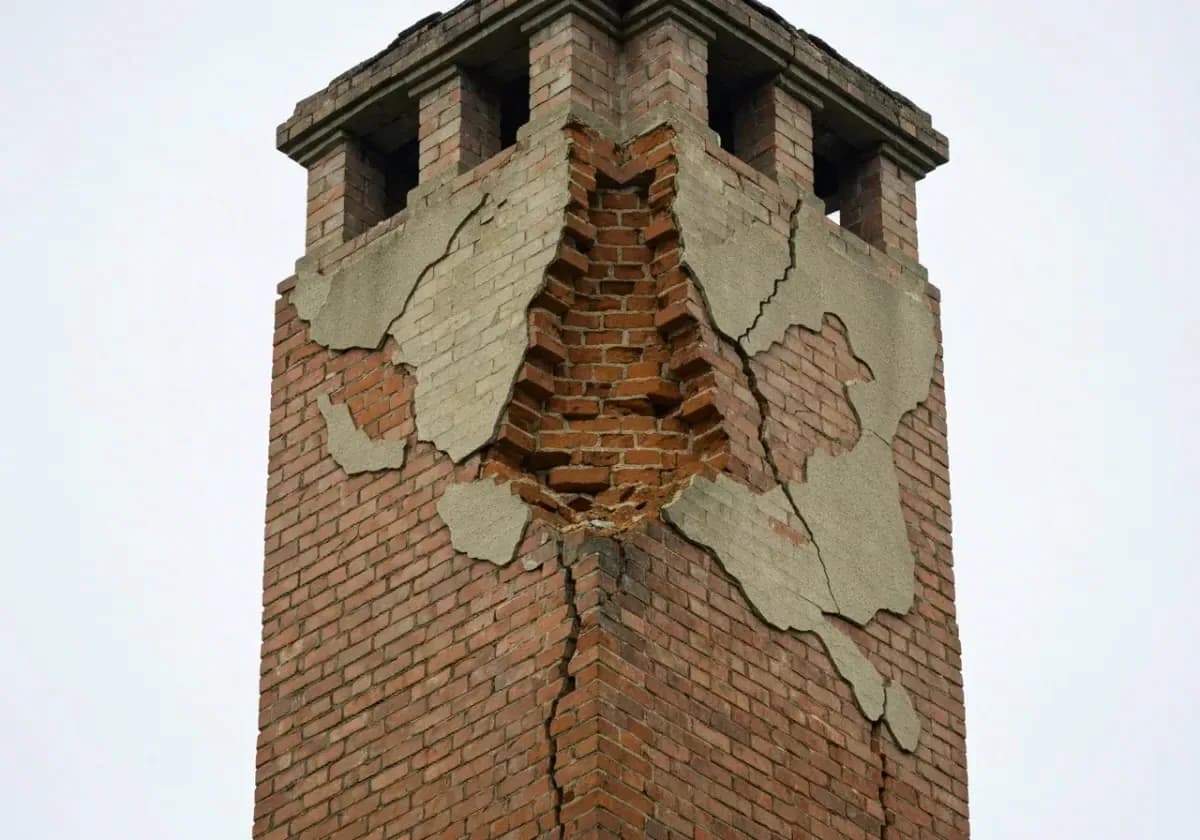 Before
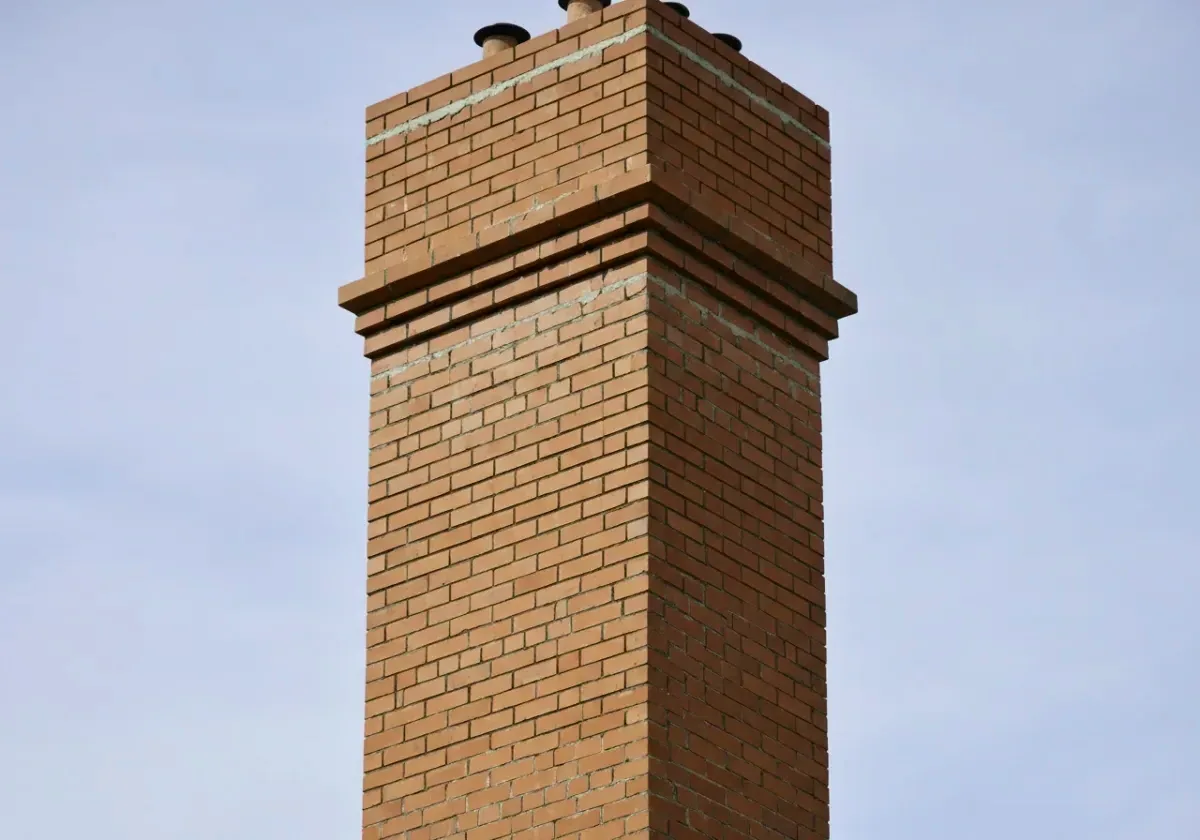 After
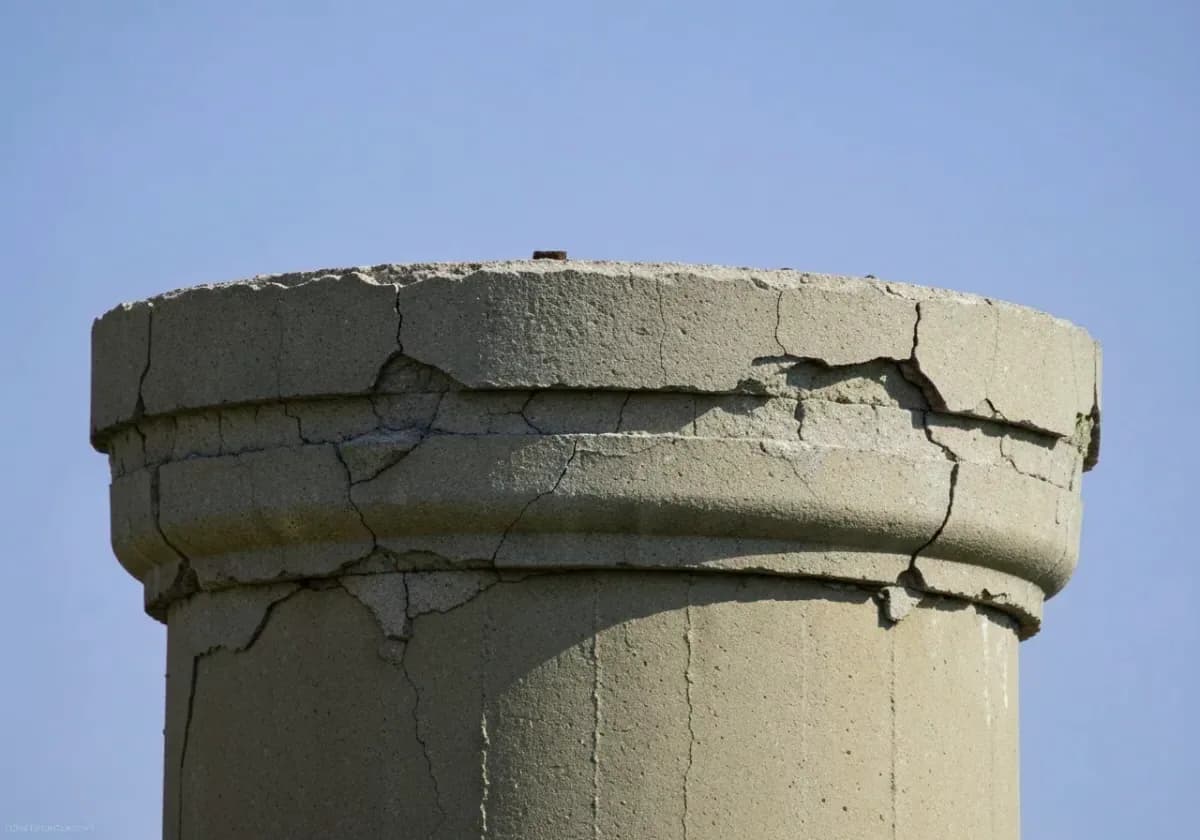 Before
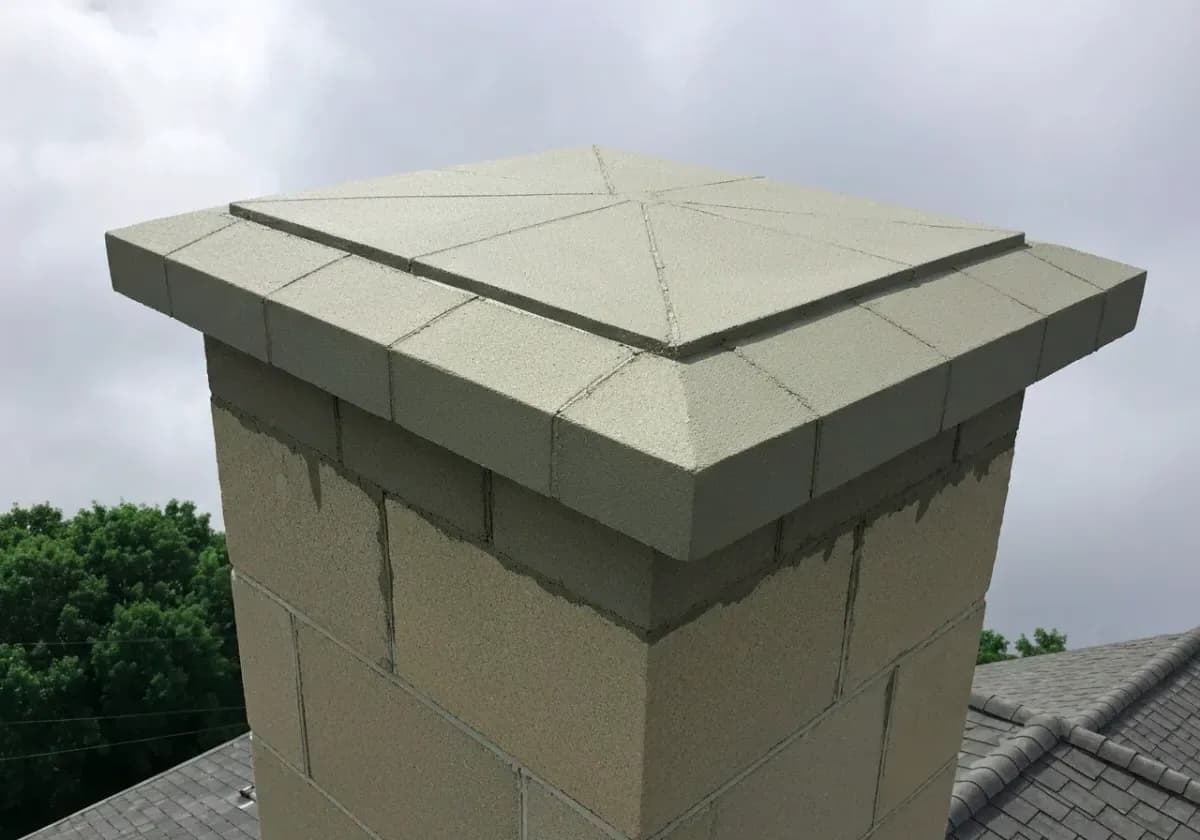 After
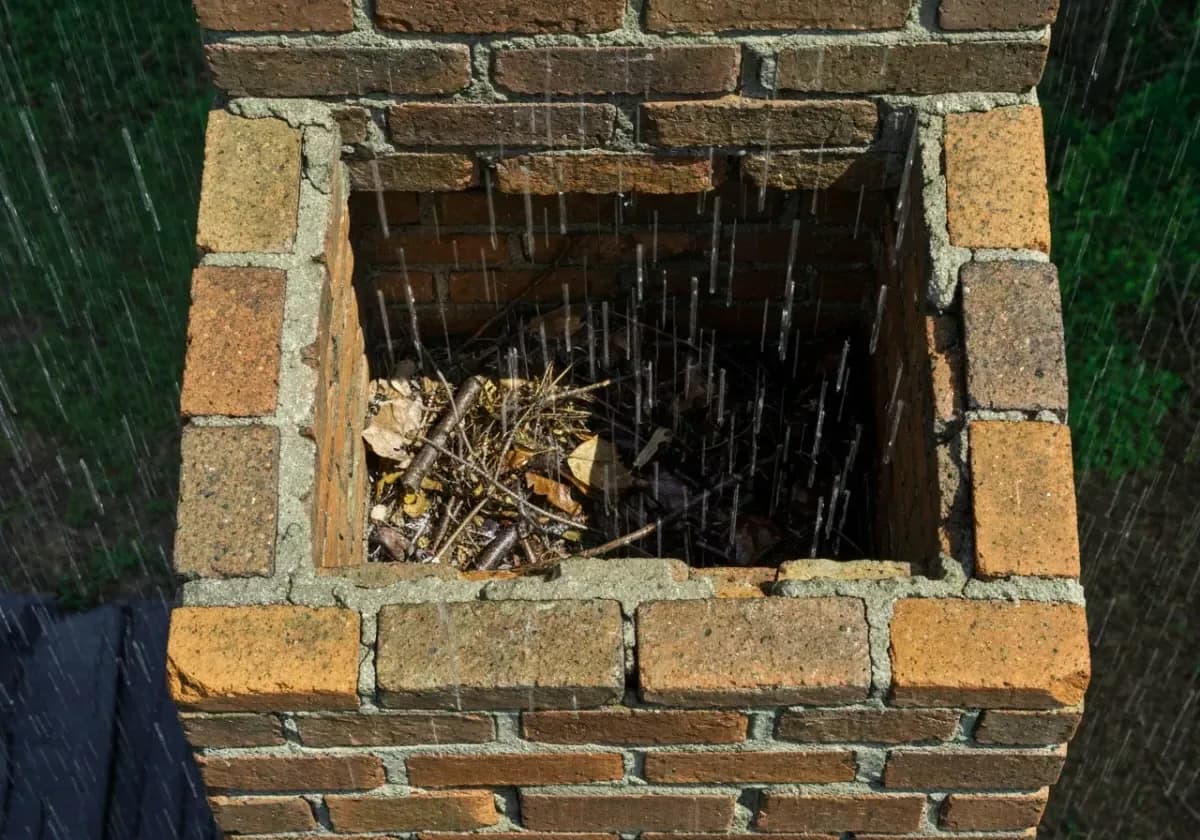 Before
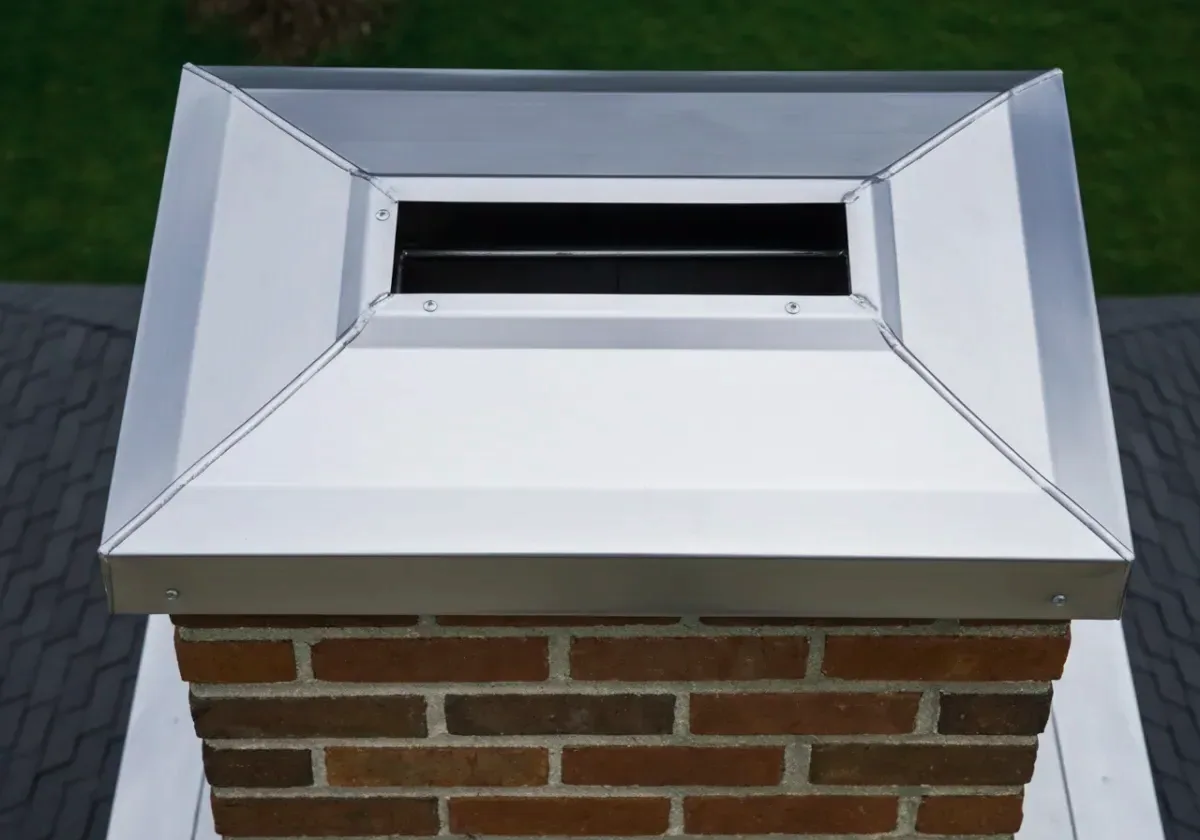 After
Four steps, each one on paper — so you always know what happens next.
Choose a genuine opening on the crew's calendar. Confirmation is immediate.
Liner, crown, cap, flashing and masonry examined in order — each finding photographed.
One document, plain numbers, covering only the work your chimney genuinely needs.
The repair is completed, then handed over with before-and-after photos of every item.
SDCI's own figures: about 9 weeks from application for a standard mechanical permit, whereas an uncomplicated job may be go through as a field-inspected permit issued inside a day. Which route applies is SDCI's call, not ours.
Only the inspection that the quote is built on, $99 plus tax per chimney. That payment is then carried over as a credit to the relining invoice.
Rarely. The connection at the insert's collar has to be made and checked by hand, which means sliding the unit out.
A $99 on-site inspection, a written quote before any work, and photos of every item we touch.