The chimney liner is one of the most vital, yet often overlooked, components of your chimney system. In North Seattle's older homes, especially those with traditional masonry chimneys, the original liner can deteriorate over time, posing serious safety risks. Knowing the signs of a failing liner is crucial for homeowners.
What is a Chimney Liner and Why is it Important?
The chimney liner is the inner conduit of your chimney, typically made of clay tiles, metal (like stainless steel), or a cast-in-place material. Its primary functions are to contain combustion byproducts (smoke, gases), protect the masonry walls from heat and corrosive gases, and provide a properly sized flue for efficient appliance operation.
Without a sound liner, heat can transfer to combustible materials in your home, and dangerous gases like carbon monoxide can seep through cracks into your living space.
Visible Cracks or Damage in the Flue
One of the most obvious signs your chimney needs relining is visible damage to the existing liner. If you can see cracks, spalling (flaking), or missing sections of clay tiles when looking up from your firebox or down from the top of the chimney, it's a clear indication of failure. These imperfections compromise the liner's ability to contain heat and gases.
Such damage is common in older masonry chimneys found in areas like Wedgwood or Green Lake that have seen decades of use and weather exposure.
Smoking or Draft Issues
If your fireplace consistently fills your living room with smoke instead of drawing it up the chimney, a failing liner could be the culprit. A damaged liner can create turbulence or blockages, disrupting the proper flow of smoke and gases. An improperly sized or damaged liner can also lead to poor draft, reducing your fireplace's efficiency.
Persistent smoking is not only annoying but also introduces harmful particles and carbon monoxide into your home.
Strange Odors from the Fireplace
A strong, persistent odor of smoke or creosote emanating from your fireplace, even when it's not in use, can be a sign of a compromised liner. Cracks in the liner allow these odors to seep into your home. This is particularly noticeable during humid weather, a frequent occurrence here in North Seattle.
Similarly, a metallic or sulfuric smell might indicate a problem with a metal liner or corrosive activity.
Excessive Creosote Buildup Despite Cleaning
While some creosote buildup is normal, if you find excessive amounts accumulating rapidly, even after regular professional chimney sweeps, your liner might be contributing to the problem. An uneven, rough, or damaged liner surface can provide more areas for creosote to adhere, accelerating its formation. This creates a higher risk of chimney fires.
A smooth, intact liner is crucial for minimizing creosote accumulation.
When to Get a Professional Inspection
If you notice any of these signs, or if your chimney is over 20 years old and has never been inspected for liner integrity, it's time to call North Seattle Chimney Pros. Our certified technicians can perform a thorough video inspection of your flue, accurately diagnosing the condition of your liner.
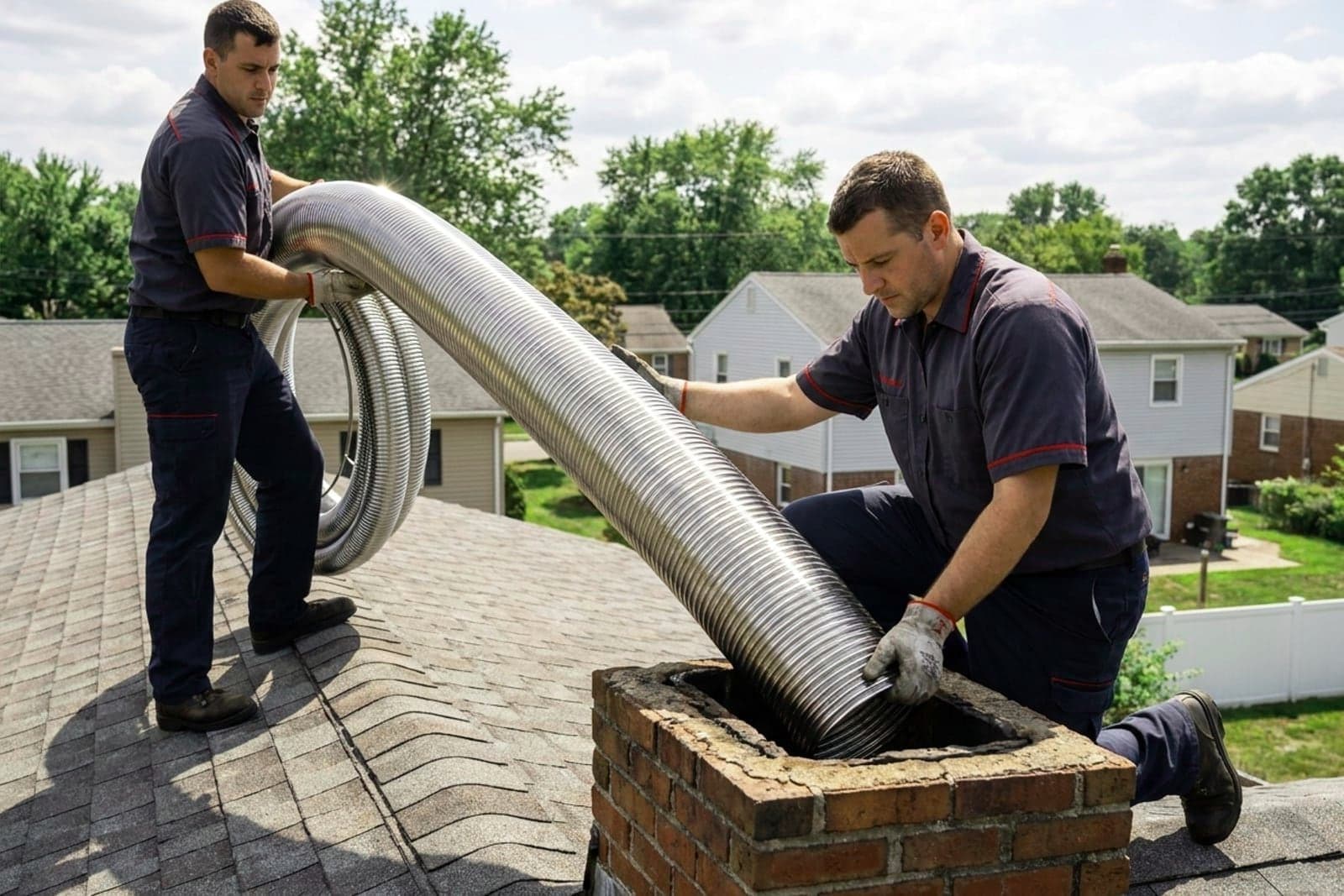
Relining is a complex job that requires specialized tools and expertise to ensure your chimney is safe and efficient for your family.
Related services